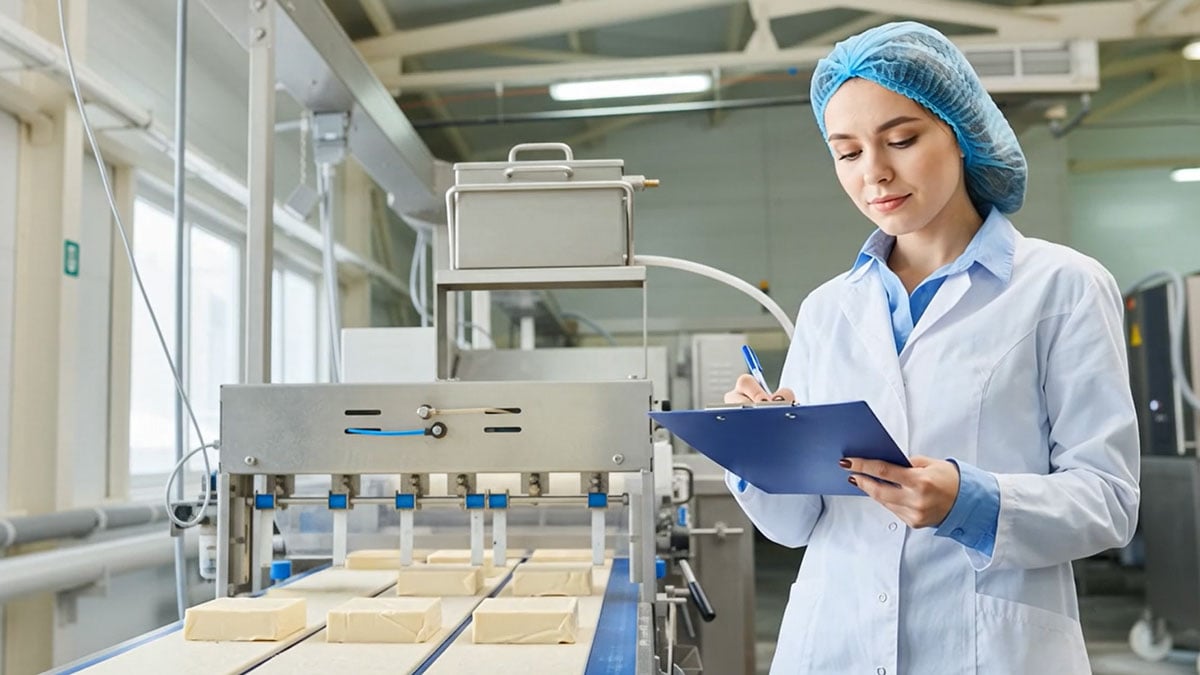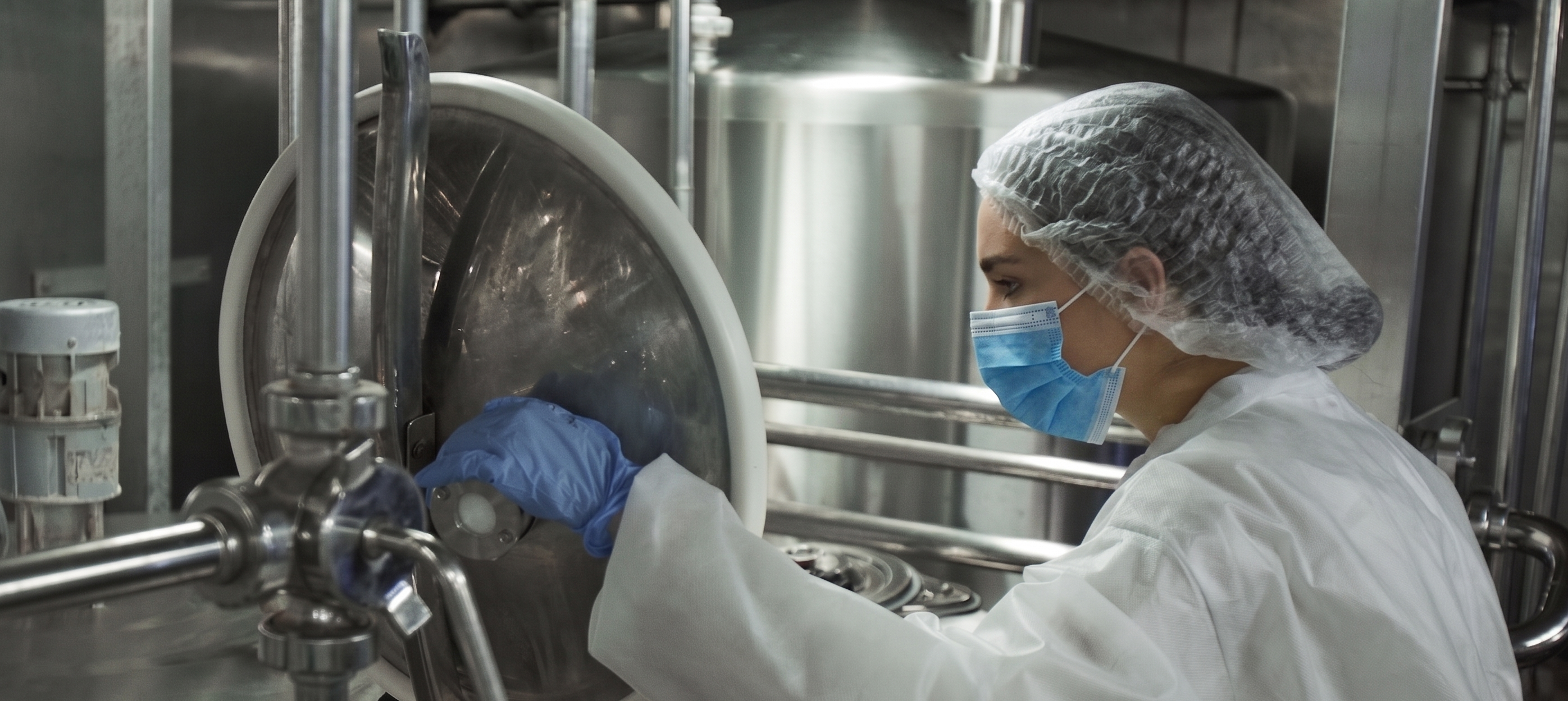
Selecting the correct PPE is a decision that directly impacts worker safety and adherence to food safety standards for food manufacturers. The challenge often lies in finding a material that offers the required barrier protection while maintaining employee comfort, especially in diverse facility environments.
Check out the Keystone Safety selection of PPE for your food manufacturing facility.

To maximize food safety, the choice of your PPE material should be dictated by the specific application and ambient environment of your unique facility.
The fundamental trade-off when selecting protective clothing materials is often between breathability (comfort in hot environments) and barrier effectiveness (protection against splash and dust). Choosing the right option ensures you are implementing robust worker safety measures while working toward a safer, more compliant workplace.
When workers are operating in hotter, more uncomfortable environments and the application does not necessitate high-level barrier protection (like heavy chemical splash), material choice should prioritize comfort and cost:
In environments where temperatures are lower or controlled (cooler environments), and the task requires superior protection against specific hazards, the material must prioritize the barrier function:
Keystone Safety offers a variety of Personal Protective Equipment including shoe covers, hair and beard restraints, and protective clothing with a focus on the food processing industry.
September 15, 2026
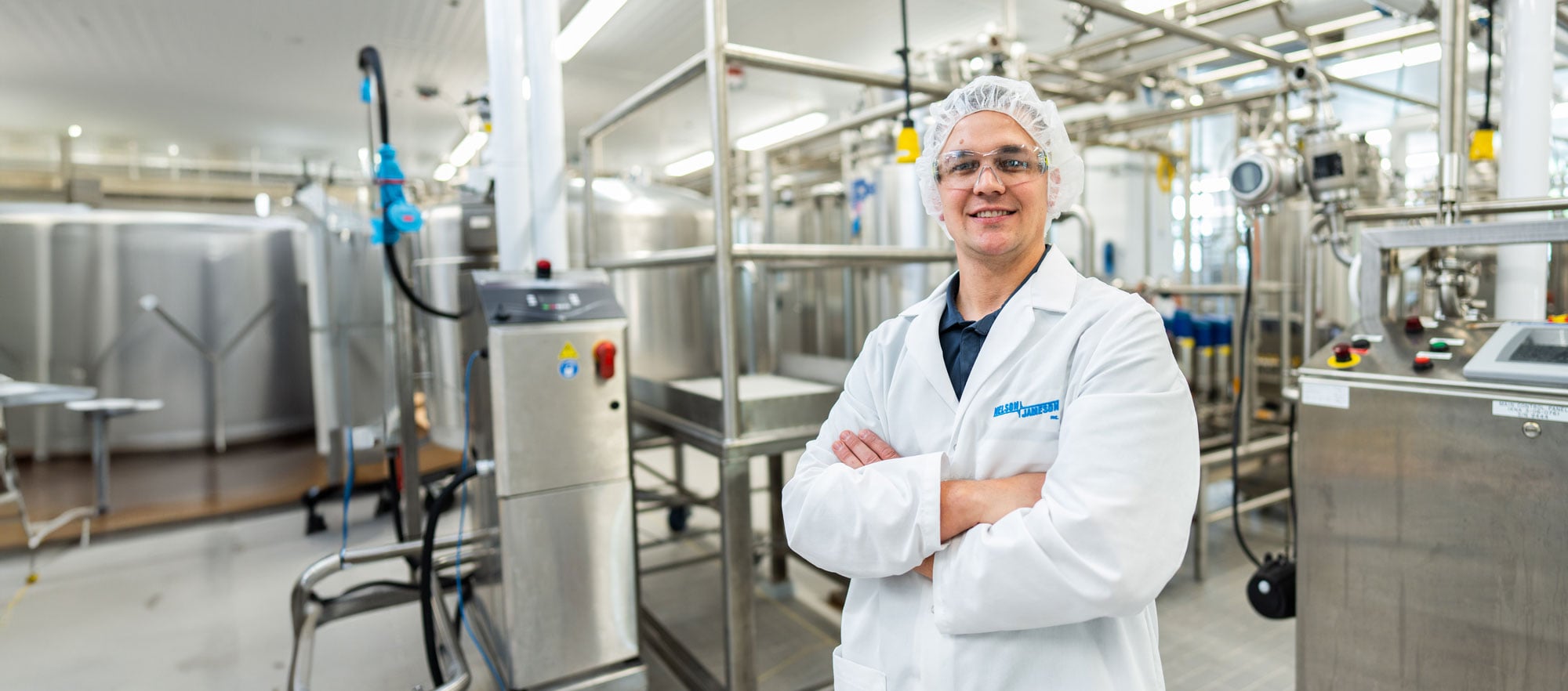
Food safety doesn't start on the factory floor. It starts deep in the supply chain. We know because our ...
September 3, 2026
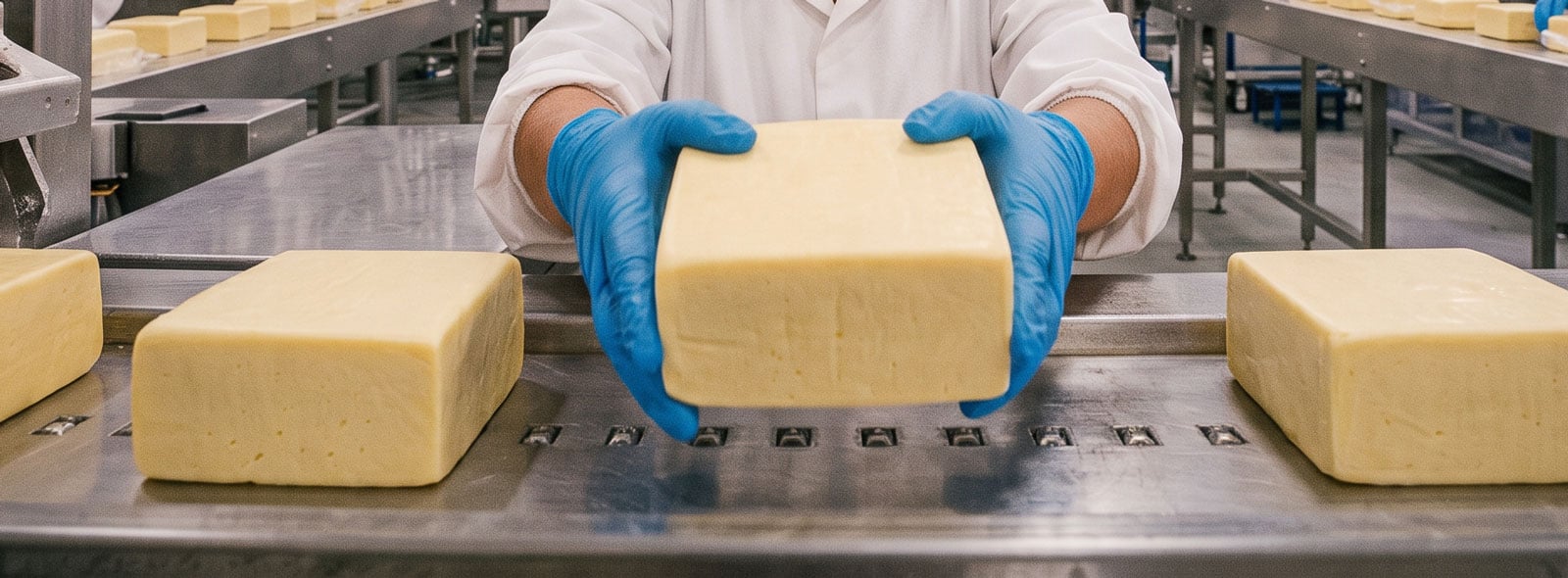
Hand safety isn't just about injury prevention; it's your first line of defense against cross-contaminat...
August 27, 2026
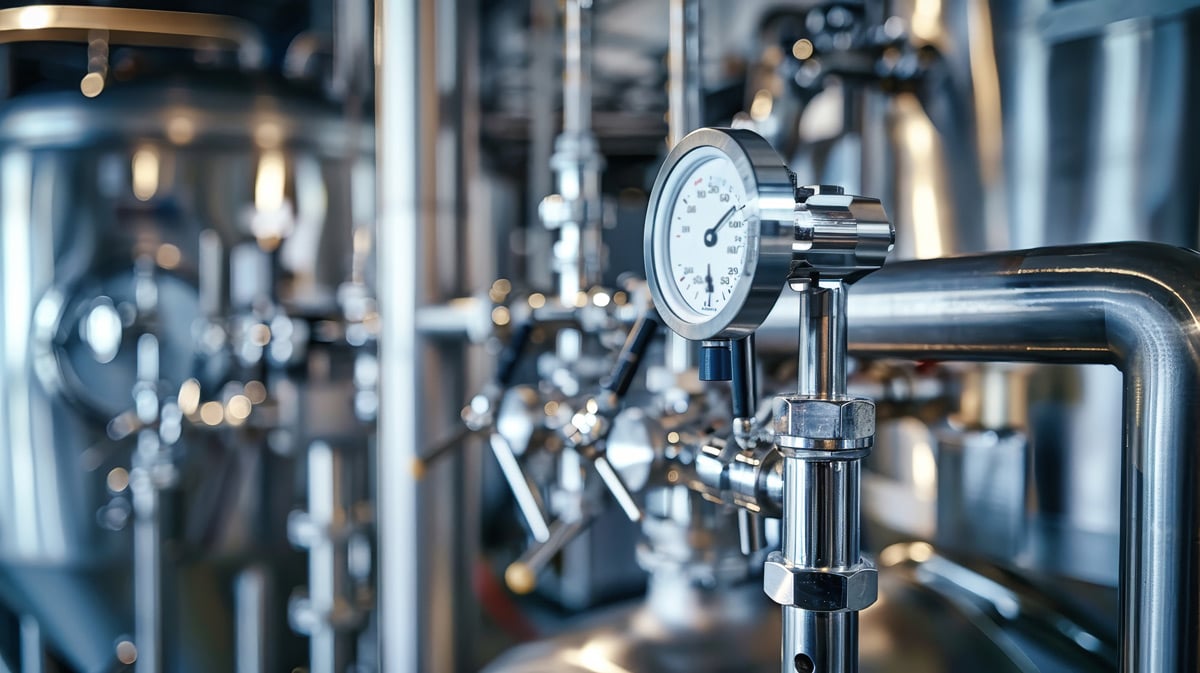
Out-of-calibration thermometers compromise product safety, jeopardize regulatory compliance, and lead to...
Food Safety, Laboratory

Food Safety, Sanitation, Cleaning Tools, Color Coding
Food Safety, Sanitation, Cleaning Tools, Color Coding