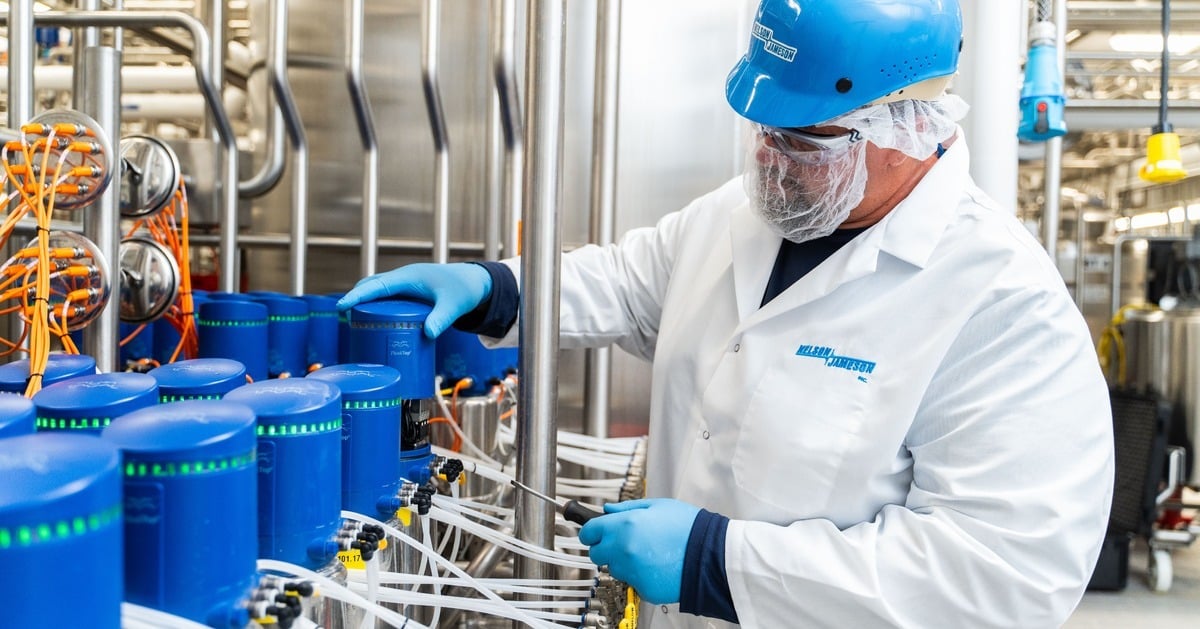
Replacing obsolete valve control tops is not just a simple swap in food manufacturing facilities and holding onto legacy technology exposes facilities to unexpected failures, hard-to-source replacement parts, and high utility consumption.
Join the experts from Nelson-Jameson and Alfa Laval for a live webinar and Q&A, where they will take a deep dive into the frictionless path to upgrading your valve controls. Learn how to transition seamlessly, eliminate operational risks, and lock in water, chemical, and energy savings.
Topics covered in this webinar:
- The Lifecycle Reality Check: The costs of keeping obsolete and "aged out" equipment running.
- The Frictionless Swap: A deep-dive into the next-generation control units.
- Built-In Sustainability & Big ROI: How advanced burst and pulse seat cleaning technologies slash Cleaning-in-Place (CIP) water usage and drain line CIP consumption.
- Incremental ESG Upgrades: How retrofitting creates significant water savings and helps meet sustainability goals.
- Complete Lifecycle Support: How to leverage expert service capabilities to protect your investment.
Who should watch?
- Plant Managers & Directors of Operations
- Maintenance & Reliability Engineers
- Sustainability, ESG, & Utility Managers