
A Guide to Foam Control & Defoamer in Food Manufacturing

October 16, 2026
Marcie Woodley

Managing foam is a persistent challenge in food manufacturing and dairy processing, but trial and error is not the right solution.

Nelson-Jameson’s decades of hands-on industry experience helps food, dairy, and beverage plants select the right defoamers and antifoams to keep operations running at peak efficiency each day. In this guide to foam control, we’ll cover the difference between preventing and eliminating foam, break down key formulation types, and explore how food manufacturers and dairy processors can tackle foam across major plant applications. 

Have a Complex Foam Issue in Your Plant? 

Avoid trial and error. Work directly with our specialists to find the precise, compliant defoamer or antifoam for your specific system.  
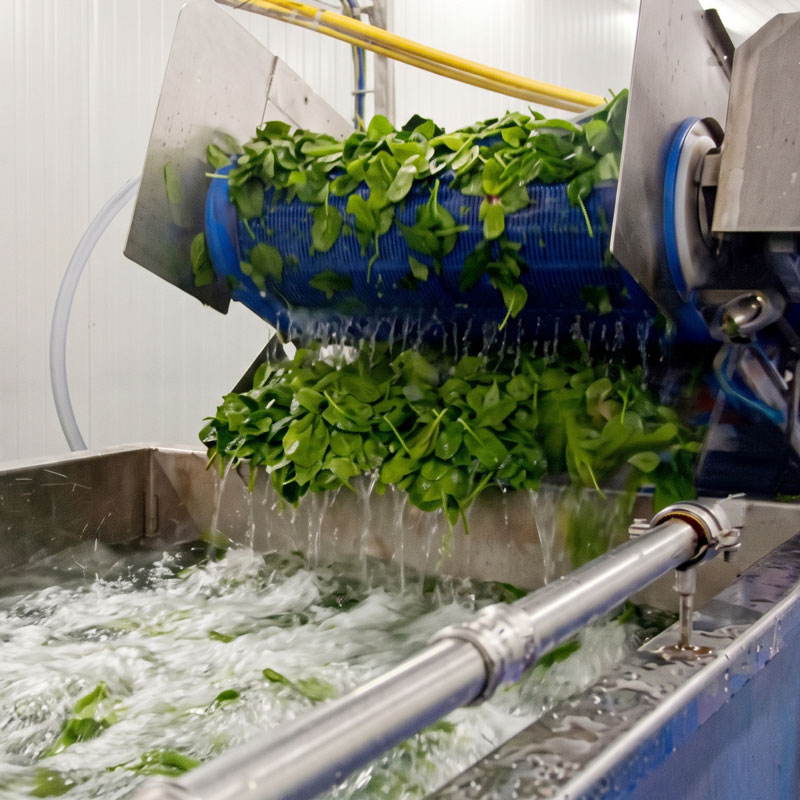
Processing spinach

The Difference Between Preventing Foam and Eliminating It

Defoamers rapidly knock down foam that has already built up, while antifoams are added upfront to prevent it from forming in the first place. Both work by destabilizing liquid films, collapsing active foam, preventing vessel overfills, protecting pumps from cavitation, and keeping batch volumes consistent. In practice, many formulations serve both functions; whether a product acts as a defoamer or an antifoam often depends on when and where it’s added.

Comparing Defoamer Formulations and Technologies

Depending on your operating temperatures, regulatory requirements, and production setup, these defoamers are available in four distinct formulation types:

  • Vegetable Oil Based: 100% active formulations made from edible vegetable oils, vegetable-based emulsifiers, and hydrophobic silica. All ingredients are GRAS-rated or compliant under 21 CFR 173.340 for direct food addition under Good Manufacturing Practices (GMP).
  • Silicone emulsions: Available in 10%, 20%, and 30% active silicone concentrations that control foam with fast knockdown and long-lasting suppression in hot or cold processing.
  • Synthetic and Organic Options: Includes 100% active liquids, synthetic ester blends, and specialty processing aids designed for broad industrial and food-grade applications.
  • Powder Antifoams: For dry blends and powdered food products, powdered antifoams provide foam control without adding liquid to the formula.

Boost Efficiency with Organic Defoamers

Help prevent foam overflow and reduce downtime with certified organic foam control solutions built for food processing. 
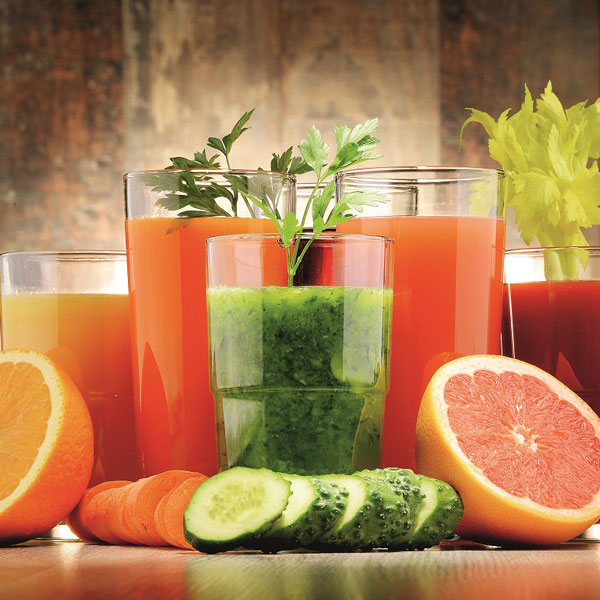
Produce drinks

Key Industry Applications and Compliance

Selecting the right defoamer starts with knowing where foam slows production or creates compliance risks in your plant.

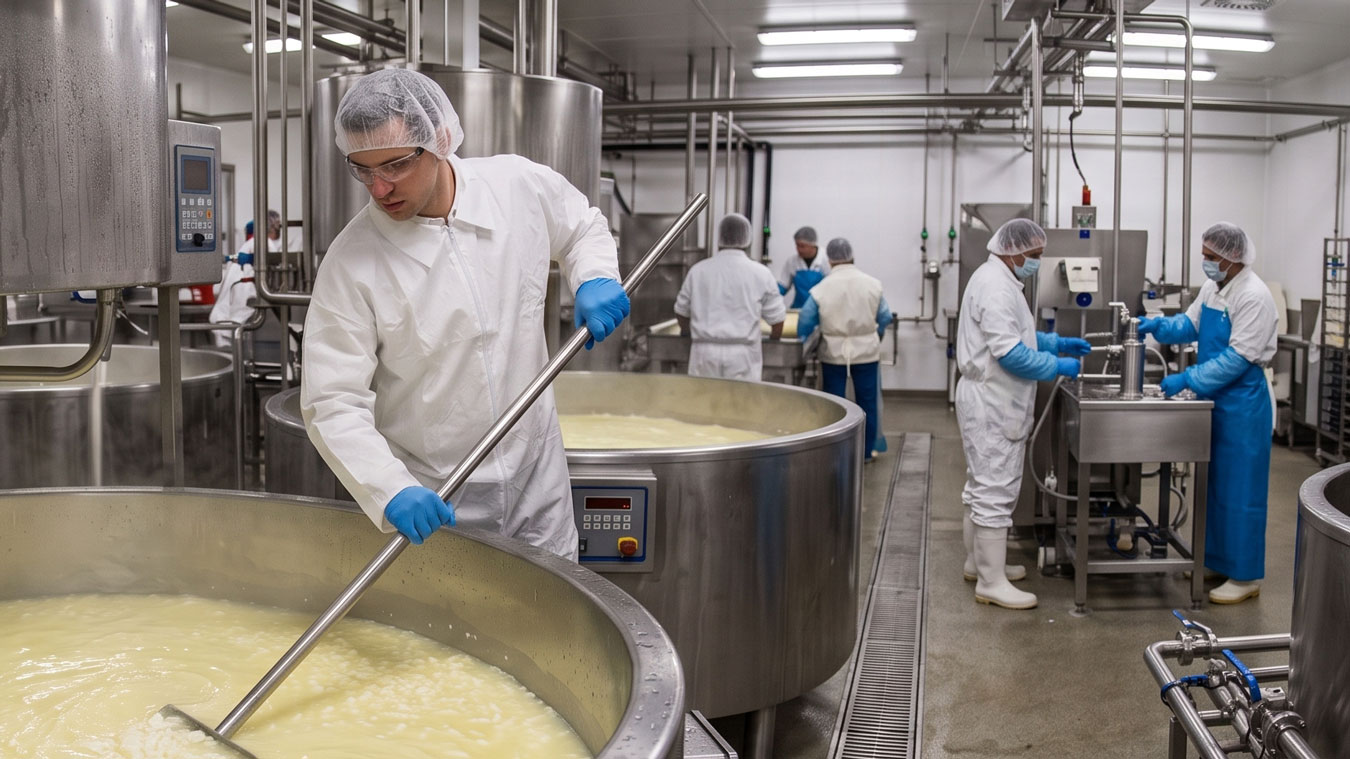
  • Dairy & Whey Processing: Proteins in milk and whey create persistent foam during cheese making, whey processing, and evaporation. Heat-stable formulations, such as vegetable oil-based and organic defoamers, control it at low doses, making them a good fit for dairy plants with organic or non-GMO product lines.
  • Plant Sanitation & Clean-in-Place: Foam inside CIP systems and automated washers cushions spray jets and leaves residue behind. Non-silicone defoamers made for CIP stay stable in caustic and acid wash solutions and rinse clean, so cleaning chemicals can reach and remove tough fats and proteins.
  • Vegetable & Food Processing: Continuous agitation during vegetable washing, cutting, and potato processing creates thick foam that traps debris and slows product flow. Food-grade silicone emulsions deliver fast knockdown in hot and cold systems, and vegetable oil-based defoamers offer an option for organic and non-GMO lines.
  • Wastewater & Effluent Treatment: High organic loads in effluent basins create persistent foam that can overflow basins and lead to permit issues. Non-phosphated defoamers control foam without adding phosphorus to discharge water.

Our Commitment to Quality

Food safety, quality, and sustainability are at the core of everything we do at Nelson-Jameson. That commitment carries through to our food-grade defoamers, which come with the certifications and documentation processors need, including :

  • Ingredients that are GRAS or listed under 21 CFR 173.340
  • Kosher and halal certified options
  • QAI-certified organic options, including US/Canada and US/EU organic equivalency on select items
  • Identity-preserved and non-GMO sourcing

Spec sheets, SDS, and certification documents are available on request.


Ready to Optimize Your Processing Line and Foam Control?

Keeping your facility running smoothly requires reliable, processing-grade safety and facilities supplies delivered fast. Discover how Nelson-Jameson's specialized plant maintenance inventory helps food manufacturers minimize delays and protect operational efficiency. Explore food-grade defoamers and antifoams at Nelson-Jameson today!


Marcie Woodley

Product Manager - Chemicals & Ingredients

Recent posts

Sanitation

October 15, 2026

Three Tips for Optimized Handwashing in Food Manufacturing

In food processing, we spend a lot of time talking about equipment, sanitation programs, and environment...

Worker Safety

October 13, 2026

Using Boot Covers as a Critical Control Point Against Contamination

For food manufacturers, a lapse in either worker safety or food safety can initiate a domino effect. It ...
Worker Safety

October 9, 2026

Keystone KEYGUARD Line Helps Shield Food Manufacturing Workers

Protecting both workers and food products from cross-contamination is a daily operational mandate in foo...
Related resources

Webinar
Improve Your Foreign Material Prevention Strategy

Improve Your Foreign Material Prevention Strategy

Each day, food manufacturing facilities work to eliminate loose-item risks and leverage detectable products to protect consumers and their brands from costly recalls. Metal-detectable experts from Nelson-Jameson and Detectamet take a deep dive into bridging the gap between traditional foreign material control and modern prevention.

Food Safety

Training
Aseptic Sampling Collection Training

Aseptic Sampling Collection Training

QualiTru Sampling Systems provides a training program focused on aseptic sampling, designed to teach individuals how to effectively collect samples using QualiTru equipment. The program emphasizes the significance of aseptic sampling and covers essential topics, including proper usage of QualiTru sampling equipment, techniques for collecting representative samples, methods to prevent contamination, and troubleshooting common issues. QualiTru offers various training options, such as on-site training, webinars, and online resources. Their website features a library of training videos and materials covering a wide range of topics related to aseptic sampling. Additionally, they provide customized training programs tailored to meet your specific needs.

Food Safety, Laboratory

Assessment
Training
Color-Coded Training & Site Assessment

Color-Coded Training & Site Assessment

Recognize and address possible hygiene and sanitation challenges based on the cleaning and material handling equipment available in your facility.

Through a discovery call, virtual, or on-site assessment, Vikan SQF Practitioner certified specialists will assist in confirming that your system and cleaning tool inventory aligns with your risk management objectives while pinpointing any missing tools and enhancing maintenance and usage practices. Evaluate whether your existing tools are utilized in the most effective manner, or determine if a more suitable tool exists for the task at hand. Ensure that your tools comply with all relevant standards and regulatory requirements. Site evaluations encompass a summary survey, an overview of the location, a color-coded factory layout plan, product suggestions, a recommended order form, and a proposal for a follow-up survey.


Food Safety, Sanitation, Cleaning Tools, Color Coding
Program Catalog
Color-coded Program Catalog

Color-coded Program Catalog

This is a comprehensive program for the food processing industry. Nelson-Jameson brings together the most extensive collection of color-coded products for material handling, product handling, janitorial, safety, apparel, QA/QC, and metal-detectable applications. With the right pieces, a color-coding system is a powerful tool in preventing cross-contamination of allergens and food-borne illnesses that can lead to sickness or expensive product recalls.

Color-Coded-Catalog_Open-Magazine-Mockup-1-1

Food Safety, Sanitation, Cleaning Tools, Color Coding