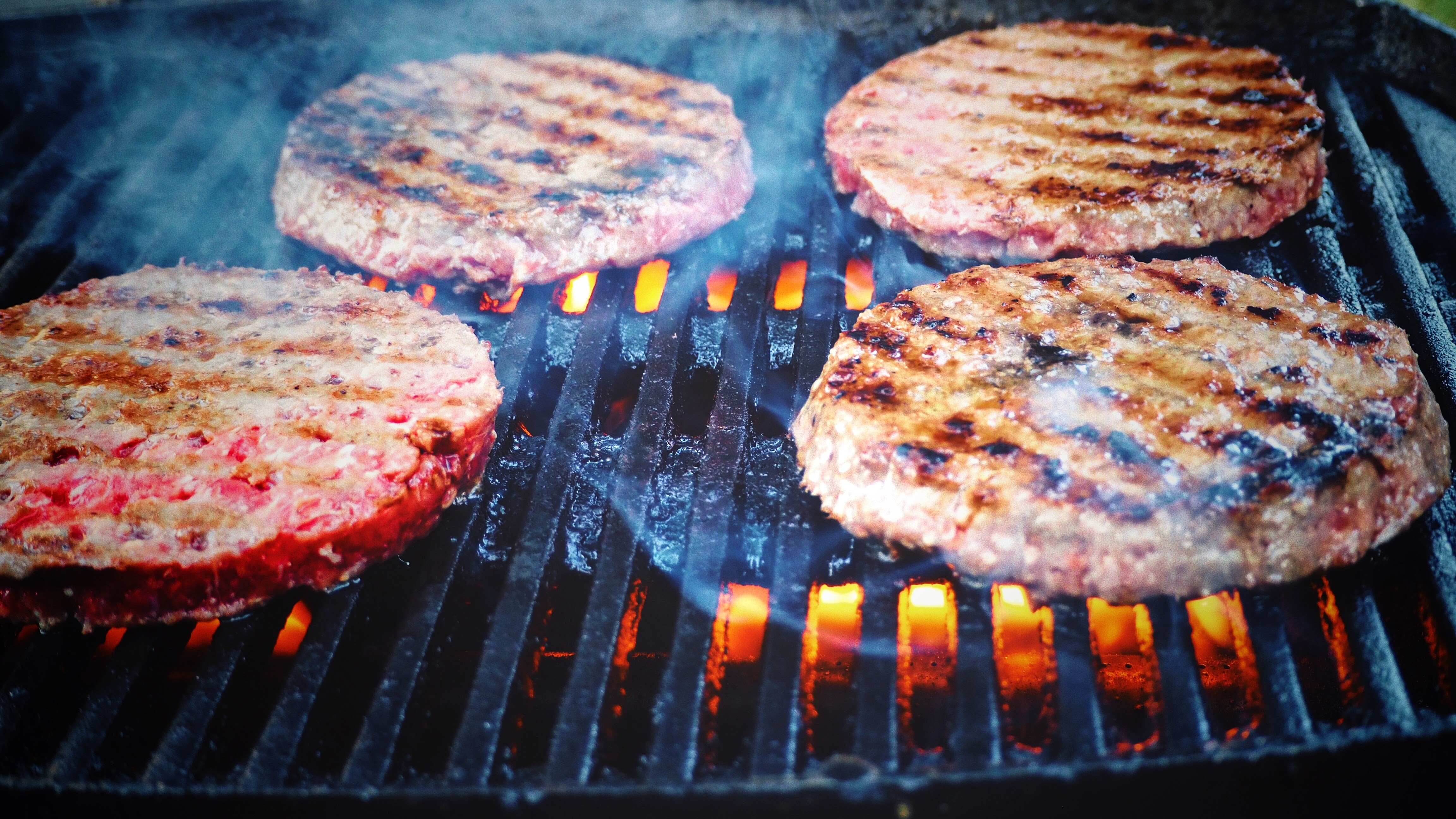
Grilling & Food Contamination

July 2, 2021

Summer is here! What a perfect opportunity to get outside and enjoy the warm summer air we've all been craving! For some individuals, spending time outdoors could involve hiking, boating, or reading in the shade, but one thing we can all agree on, summer is the perfect time to enjoy some of our favorite foods on the grill. Whether with family, friends, or even coworkers, cooking food on the grill appears to be a popular summer activity. With summer holidays approaching, like the Fourth of July, it is important to keep your celebrations healthy and safe by following food safety tips to prevent contamination while grilling.

According to the FDA and the USDA Food Safety organizations, there are grilling food safety tips to be followed for all food types:

  • Be Clean: First, make sure to wash your hands thoroughly, especially after touching any form of raw meat. Before consumption, make sure to rinse off fruits and vegetables as there may be bacteria on the surfaces. Never rinse off raw meat as this can increase your risk of cross-contamination.
  • Separate: Keep raw meats away from other foods such as salads, dips, or fruit. Be conscientious of not using the same utensils for putting raw meat on the grill, and for taking cooked meat off the grill. Using the same utensils that touched raw meat could be covered in harmful bacteria, which can contaminate the cooked meat.
  • Temperature: Use a food thermometer to check if food is fully cooked. Sometimes grilling can give you a false impression where food looks fully cooked on the outside, but is under cooked on the inside. The recommended internal temperature for beef, pork, lamb, and veal is 145°F, ground meat is 160°F, whole poultry is 165°F, and fish is 145°F.
  • Fruits and Vegetables: Lastly, make sure to be aware of how long fruits and vegetables should be cooking on the grill. Thicker cut fruits and vegetables will have to cook longer than thinner pieces. Although, fruits and vegetables do not have to reach a minimum internal temperature like meat, it is still important to cook them thoroughly.

Although grilling out in the summer can be a fun thing to do, it is important to take action and be careful in preventing the harmful spread of bacteria to our food. To learn more about additional tips and guidelines to follow when cooking various foods this summer, check out the FDA and USDA Food Safety organization websites to learn more.
Recent posts

Safety & Personnel

December 10, 2025

OSHA Regional Emphasis Program

What is OSHA's Regional Emphasis Program (REP) for the food manufacturing industry? The OSHA Regional Em...

Food Safety

December 8, 2025

Protecting Your People and Your Product Through PPE

There is a fundamental connection between worker safety and food safety: A failure in worker safety can ...

Food Safety

December 1, 2025

Tingley Iron Eagle® Line: Chemical Barrier Workwear for Food Manufacturing Excellence

Nelson-Jameson understands that efficiency and worker safety are equally important goals in food manufac...

Related resources

Assessment
Training
Color-Coded Training & Site Assessment

Color-Coded Training & Site Assessment

Recognize and address possible hygiene and sanitation challenges based on the cleaning and material handling equipment available in your facility.

Through a discovery call, virtual, or on-site assessment, Vikan SQF Practitioner certified specialists will assist in confirming that your system and cleaning tool inventory aligns with your risk management objectives while pinpointing any missing tools and enhancing maintenance and usage practices. Evaluate whether your existing tools are utilized in the most effective manner, or determine if a more suitable tool exists for the task at hand. Ensure that your tools comply with all relevant standards and regulatory requirements. Site evaluations encompass a summary survey, an overview of the location, a color-coded factory layout plan, product suggestions, a recommended order form, and a proposal for a follow-up survey.


Food Safety, Sanitation, Cleaning Tools, Color Coding
Program Catalog
Color-coded Program Catalog

Color-coded Program Catalog

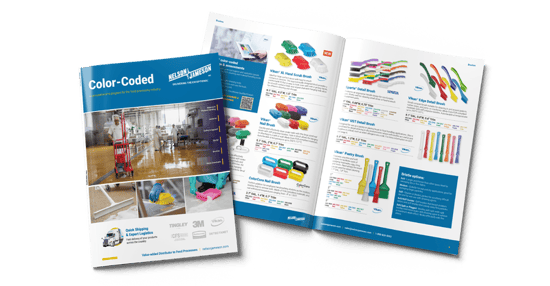
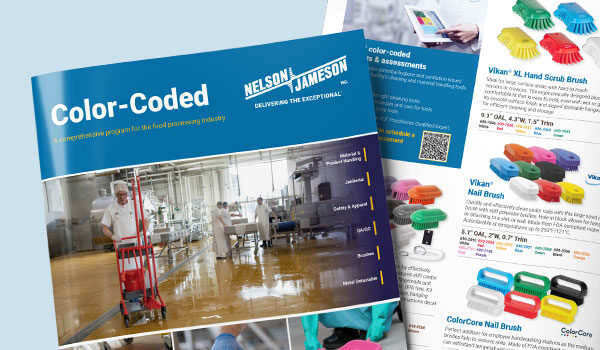
This is a comprehensive program for the food processing industry. Nelson-Jameson brings together the most extensive collection of color-coded products for material handling, product handling, janitorial, safety, apparel, QA/QC, and metal-detectable applications. With the right pieces, a color-coding system is a powerful tool in preventing cross-contamination of allergens and food-borne illnesses that can lead to sickness or expensive product recalls.

Color-Coded-Catalog_Open-Magazine-Mockup-1-1

Food Safety, Sanitation, Cleaning Tools, Color Coding

Webinar
Protecting the Food Supply: How to Harness Industry Resources for Food Safety Excellence

Protecting the Food Supply: How to Harness Industry Resources for Food Safety Excellence

Food safety is crucial in protecting consumers, and understanding how to ensure your program scales alongside your business is crucial in maintaining success. A program isn’t merely a matter of compliance; food safety is an ongoing initiative that must meet current demands and proactively stay ahead of emerging challenges.

Food Safety

Workshop
Neogen® Petrifilm® Certification Workshop

Neogen® Petrifilm® Certification Workshop

Get Petrifilm Certified through our complimentary immersive workshop for managers, personnel, and teams. The workshop offers practical knowledge through hands-on training and networking with industry professionals and experts. Attendees gain an in-depth understanding of Petrifilm technology and valuable insights into effective environmental monitoring practices.  Participants leave with a certification and a wealth of resources that can significantly contribute to elevating their plant's quality control standards.

Food Safety, Sanitation, Laboratory