Making Sense of Listeria

May 6, 2015
Listeria monocytogenes (ABC News)Listeria monocytogenes (ABC News)
 

The Centers for Disease Control estimates “approximately 1600 illnesses and 260 deaths due to listeriosis [infection caused by listeria] occur annually in the United States.” Even though responsible for fewer illnesses than other pathogens that are out there, listeria’s relatively high mortality rate (especially for certain segments of the population) naturally resonates with both consumers and food producers as a focus for concern. This has especially been the case with numerous high-profile listeria cases making headlines in the past several months.

Consumers may be surprised to find out that, opposed to being some isolated super-bug, “Listeria monocytogenes is commonly found in soil and water. Animals can carry the bacterium without appearing ill and can contaminate foods of animal origin, such as meats and dairy products.” Beyond that, food processors, understanding the threat that listeria presents, are especially concerned with the fact that: “When Listeria bacteria get into a food processing factory, they can live there for years, sometimes contaminating food products.”

So what is to be done to combat listeria?  Consumers can check out information on prevention from the FDA on proper handling of ready-to-eat, refrigerated foods here. The continuing presence of listeria in the headlines will no doubt also give pause for many food processors to review internal practices/standards, and review local, state, and federal resources to address the issue. Fortunately, risks can be minimized by utilizing programs and products that target some of the following areas: cleaning and sampling; ensuring proper temperatures when processing and handling food; and separating foods and parts of the production/preparation process to avoid cross-contamination.

To assist producers find products that can be of use, Nelson-Jameson has compiled a collection of products, including testing/sampling supplies, color-coded products, and numerous other offerings to both test for and prevent listeria concerns. You can check out these products here.
Recent posts

Ingredients

June 11, 2026

A Guide to Peppers: How Food Manufacturers Can Bring Out Flavor Behind the Heat

Consumers are chasing authentic pepper flavors that offer depth, not just a sting. Cheese is the perfect...

Food Safety

June 11, 2026

One Analyzer, Endless Possibilities: Streamlining Testing for Diverse Portfolios

Consumer demand for diverse dairy products is growing rapidly. Managing quality control for a wide varie...

Processing & Flow Control

June 10, 2026

Proactive Maintenance, Minimal Downtime: Access Alfa Laval Training

With the high cost of unexpected downtime in food manufacturing, implementing a preventive maintenance s...

Related resources

Training
Aseptic Sampling Collection Training

Aseptic Sampling Collection Training

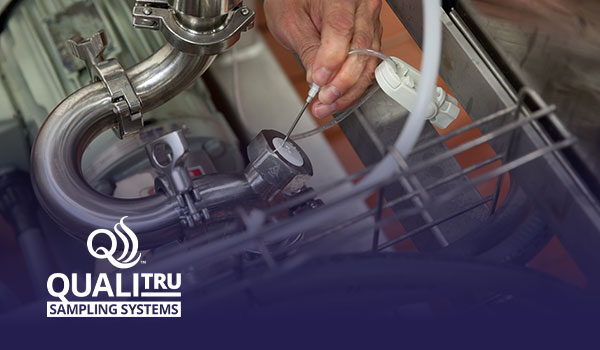
QualiTru Sampling Systems provides a training program focused on aseptic sampling, designed to teach individuals how to effectively collect samples using QualiTru equipment. The program emphasizes the significance of aseptic sampling and covers essential topics, including proper usage of QualiTru sampling equipment, techniques for collecting representative samples, methods to prevent contamination, and troubleshooting common issues. QualiTru offers various training options, such as on-site training, webinars, and online resources. Their website features a library of training videos and materials covering a wide range of topics related to aseptic sampling. Additionally, they provide customized training programs tailored to meet your specific needs.

Food Safety, Laboratory

Assessment
Training
Color-Coded Training & Site Assessment

Color-Coded Training & Site Assessment

Recognize and address possible hygiene and sanitation challenges based on the cleaning and material handling equipment available in your facility.

Through a discovery call, virtual, or on-site assessment, Vikan SQF Practitioner certified specialists will assist in confirming that your system and cleaning tool inventory aligns with your risk management objectives while pinpointing any missing tools and enhancing maintenance and usage practices. Evaluate whether your existing tools are utilized in the most effective manner, or determine if a more suitable tool exists for the task at hand. Ensure that your tools comply with all relevant standards and regulatory requirements. Site evaluations encompass a summary survey, an overview of the location, a color-coded factory layout plan, product suggestions, a recommended order form, and a proposal for a follow-up survey.


Food Safety, Sanitation, Cleaning Tools, Color Coding
Program Catalog
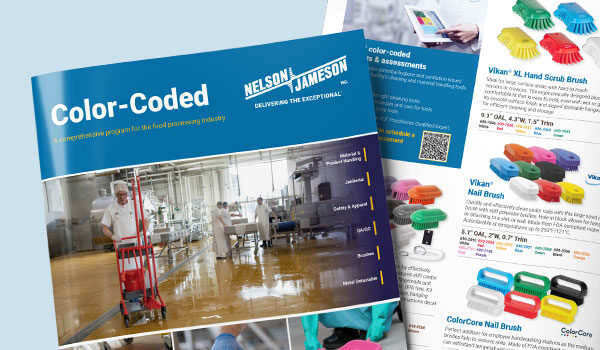
Color-coded Program Catalog

Color-coded Program Catalog

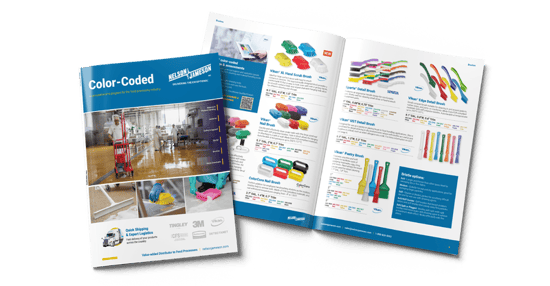
This is a comprehensive program for the food processing industry. Nelson-Jameson brings together the most extensive collection of color-coded products for material handling, product handling, janitorial, safety, apparel, QA/QC, and metal-detectable applications. With the right pieces, a color-coding system is a powerful tool in preventing cross-contamination of allergens and food-borne illnesses that can lead to sickness or expensive product recalls.

Color-Coded-Catalog_Open-Magazine-Mockup-1-1

Food Safety, Sanitation, Cleaning Tools, Color Coding

Workshop
Neogen® Petrifilm® Certification Workshop

Neogen® Petrifilm® Certification Workshop

Get Petrifilm Certified through our complimentary immersive workshop for managers, personnel, and teams. The workshop offers practical knowledge through hands-on training and networking with industry professionals and experts. Attendees gain an in-depth understanding of Petrifilm technology and valuable insights into effective environmental monitoring practices.  Participants leave with a certification and a wealth of resources that can significantly contribute to elevating their plant's quality control standards.

Food Safety, Sanitation, Laboratory