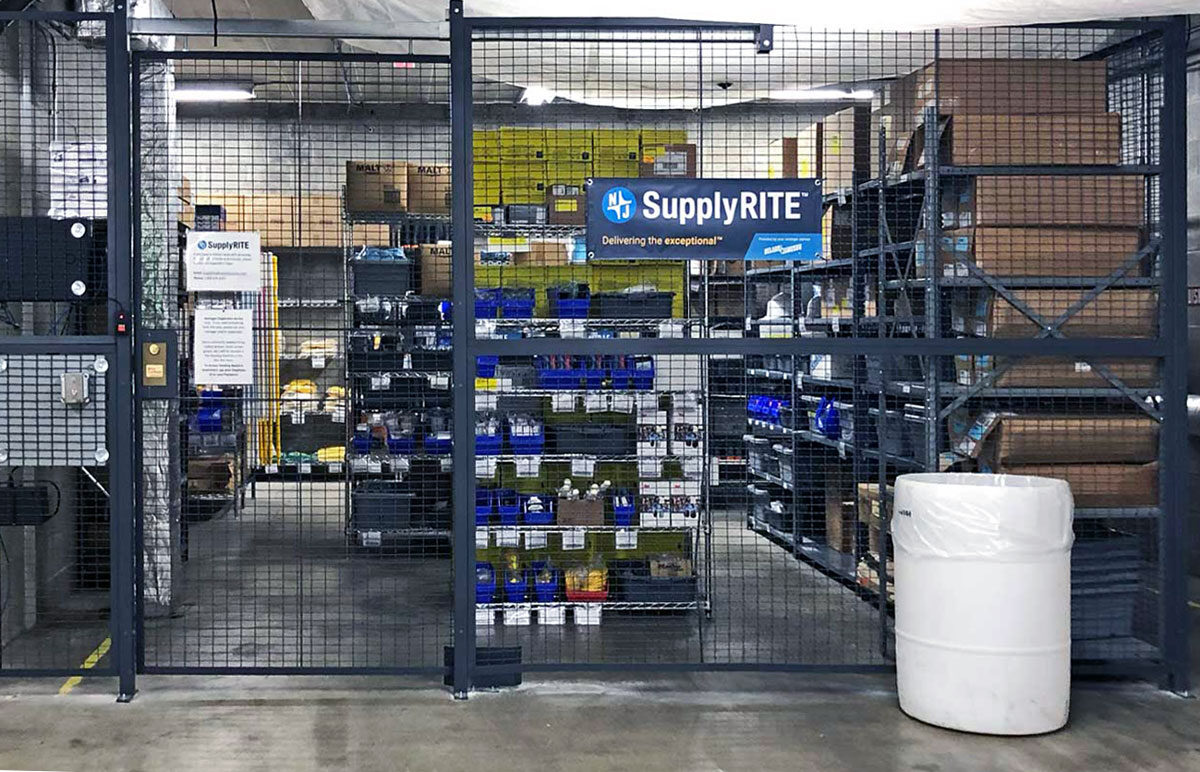

Innovation in inventory management strategies is at the top of mind for food manufacturers. Vendor-managed inventory (VMI) systems empower teams to maintain their productivity momentum while reducing costs, and helping them meet operational efficiency benchmarks.
But first, any food manufacturer must audit their operation to determine what its individual needs are and how VMI can fit its supply infrastructure. Below, we share the 10 questions that you should ask when choosing an inventory solutions provider:
KPIs are essential for evaluating the program's success. Your inventory solutions provider should offer metrics such as inventory turnover rate, fill rate, stockout frequency, lead times, carrying costs reduction, and overall cost savings. You should ensure these KPIs align with your organization’s objectives, like minimizing waste, maximizing efficiency, or improving food safety.
The information needed might include current inventory data, sales data, demand forecasts, and production schedules. To avoid bottlenecks, access should be real-time and seamlessly integrated into existing tech stacks.
You want to look for a provider that establishes clear communication channels for updates and issue resolution. They should use a system that allows for automated data exchange and provides real-time visibility into inventory levels.
Clarify who owns the inventory at different stages, where it's stored, and how it's transported. Understand their logistics capabilities, including warehousing, shipping, and delivery schedules.
The provider should offer a complete description of their data encryption methods, access controls, and compliance with relevant data protection regulations.
No matter the size of your operation or the scope of your inventory, we can assist you in implementing the best solution to fit your business.
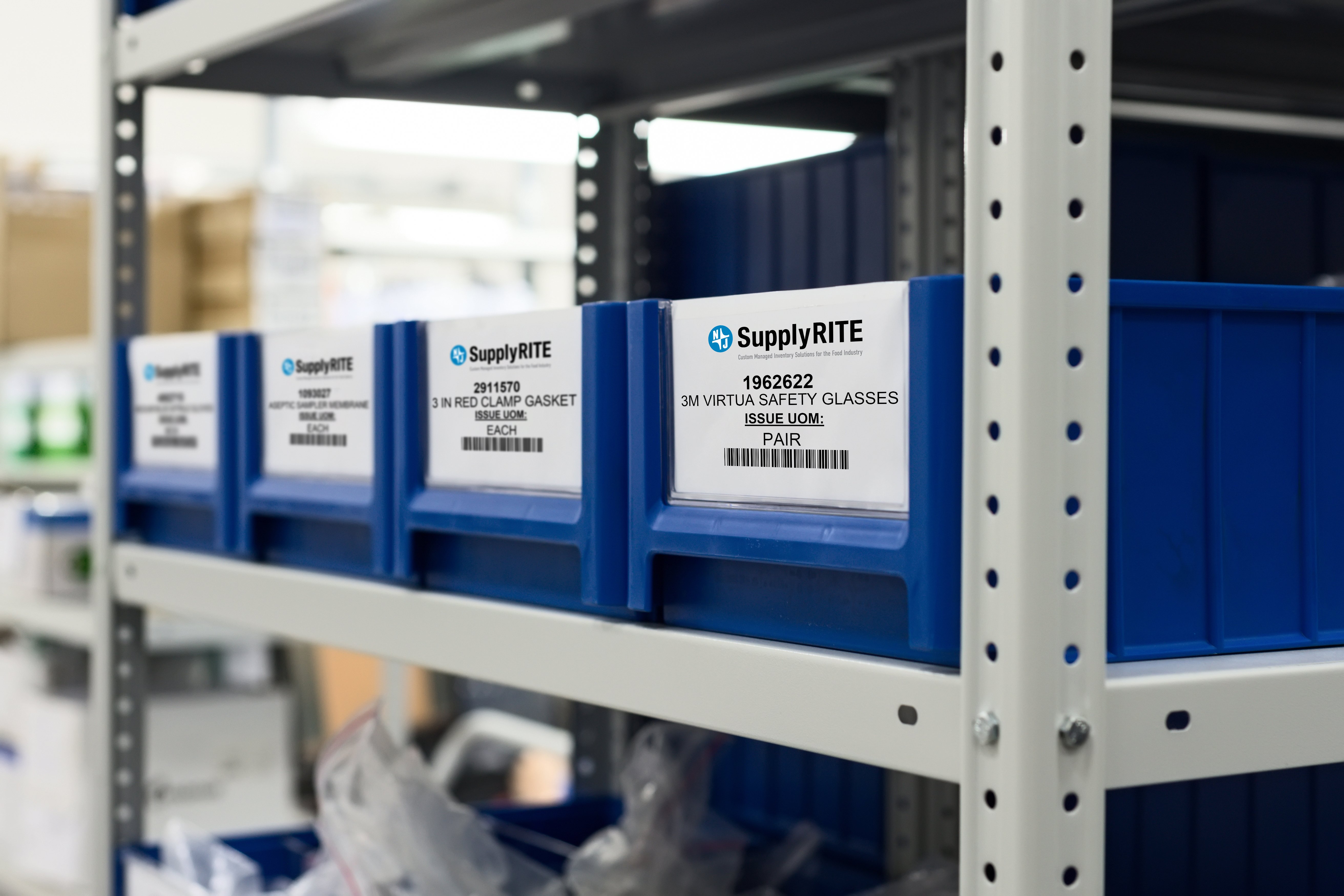
Advanced providers use a dynamic supply chain management system with AI and automation to optimize decisions. The system should offer real-time reporting, historical data analysis, and customizable reporting tools.
Understand all costs, including implementation, maintenance, restocking, and any subscription fees. Then, quantify potential savings, such as reduced carrying costs and minimized waste. A clear understanding of costs versus benefits is essential for justifying the investment.
Your inventory provider should be able to tailor your VMI program or vending machines to your facility's specific needs, including specialized PPE items and stock levels or specific inventory requirements.
Your provider should have a plan for managing product expiration and slow-moving stock, possibly using a First Expiry, First-Out (FEFO) system. Efficient food management reduces waste and ensures products are used before they expire.
Ask about backup plans for supply chain disruptions, warehouse congestion, and delivery delays. Contingency plans ensure a continuous supply and minimize disruptions.
Neslon-Jameson is your trusted partner in food manufacturing inventory management systems. Reach out today and our experts will help you begin your journey in solving your inventory challenges that help keep your employees and consumers safe.


September 28, 2026
Uncontained hair remains one of the most frequent physical contaminants in food processing environments,...
September 23, 2026
Keeping your facility's Clean-in-Place (CIP) operations running smoothly is critical — especially when o...
September 23, 2026
For years, the food manufacturing and dairy processing industries have relied on "reactive control". In ...
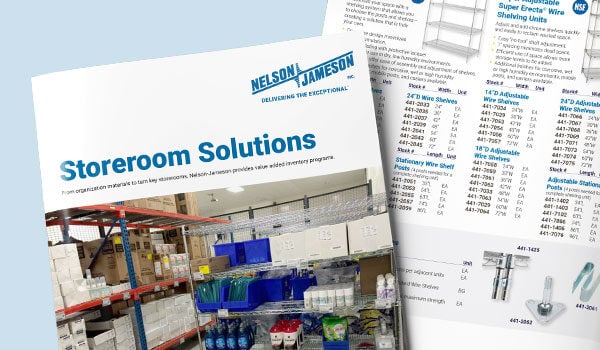
Inventory Management
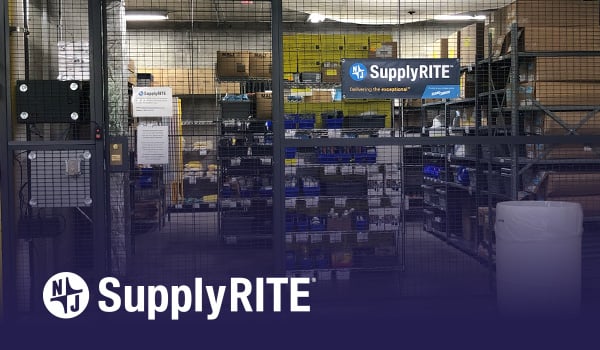
Inventory Management