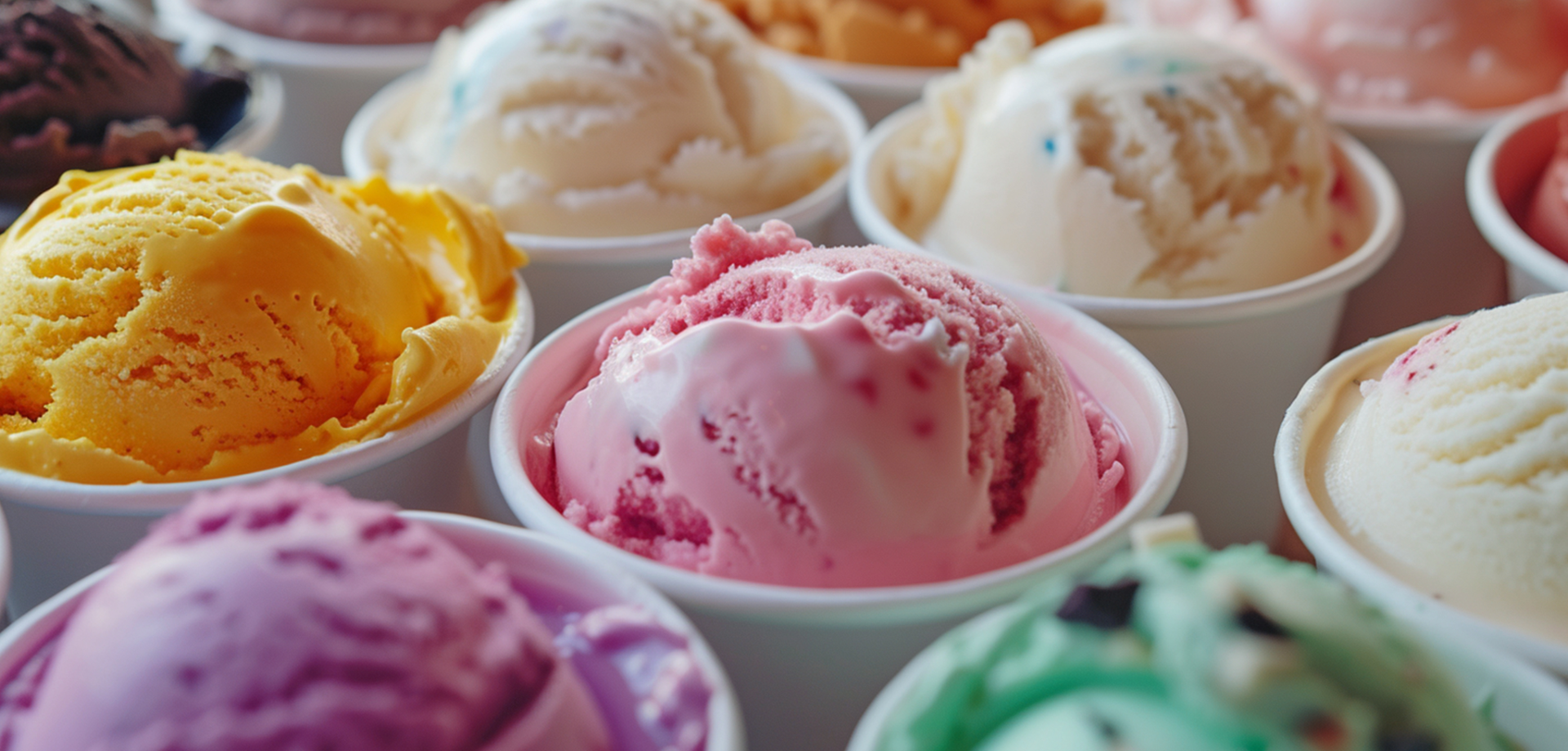

The food industry is standing at a unique crossroads between tradition and innovation as it navigates the shift from synthetic to natural food colors. Driven by evolving consumer preferences and sweeping regulatory changes, manufacturers must rethink their color formulation strategies.
Recently, Katelyn McCormick Sitzman, Ingredient Manager at Nelson-Jameson, and Logan McConkey, Senior Applications Scientist at Givaudan Sense Colour, joined to discuss the realities of this transition. They covered the current regulatory landscape, the technical factors that affect natural color performance, and how partnering with experts can help producers find the best solutions for their specific applications.
In 1995, only 5% of consumers used ingredient lists to guide purchasing decisions, but by 2025, that number surged to 83%. This shift is largely driven by a growing desire for "cleaner" labels for families.
Regulators are acting on this consumer mandate. Following Europe's lead—which began restricting artificial colors like Red 3 in 1994—the FDA announced an April 2025 initiative to remove six petroleum-based dyes from the U.S. food supply by the end of 2027. Domestic momentum is accelerating further as states like California and West Virginia introduce their own aggressive bans.
Industry organizations are establishing even tighter timelines. The International Dairy Foods Association (IDFA) has committed to removing artificial colors from school milk, cheese, and yogurt by July 2026. For manufacturers selling into these markets, the time for proactive formulation is right now.
A critical takeaway for food manufacturers is that converting to natural colors is not a simple one-to-one swap. Because they are not synthetically produced, natural colors are less concentrated and require higher usage levels.
When beginning benchtop testing, manufacturers must consider several vital parameters. Below are examples recently discussed at Nelson-Jameson:
Because natural colors depend entirely on nature, they are subject to agricultural yields, seasonality, and geographic variables. With global demand increasing, accurate annual forecasting is vital to securing your supply. Manufacturers should anticipate product development cycles of 12 to 18 months and begin benchtop color trials as soon as possible.
Whether you are a large processor or a smaller operation needing low minimum order quantities, we can help tailor a solution to your facility. During this consultation, we will:
Start today with a comprehensive, free consultative assessment to ensure your natural color transition is a success!

September 3, 2026
Hand safety isn't just about injury prevention; it's your first line of defense against cross-contaminat...

August 27, 2026
Out-of-calibration thermometers compromise product safety, jeopardize regulatory compliance, and lead to...
August 27, 2026
A Step-by-Step Technical Guide to Precision Sizing and Identification
Ingredients

Dairy, Ingredients
Ingredients

Ingredients