
A Smarter Standard for Lab Sampling

August 12, 2026
Janine Mercer

Rigid plastic containers crack under pressure, leak in transit, and drain hours of lab labor.

Upgrading to Whirl-Pak sampling bags replaces that bulk with a flexible, puncture-proof seal that cuts hands-on sampling time by 76%. And because every bag undergoes post-manufacturing sterilization, you get certified aseptic collection without the mess, lost samples, or wasted cooler space.

Stop storing empty bottles

Flexible, sterile, and built to free up lab space. View our Whirl-Pak selection.

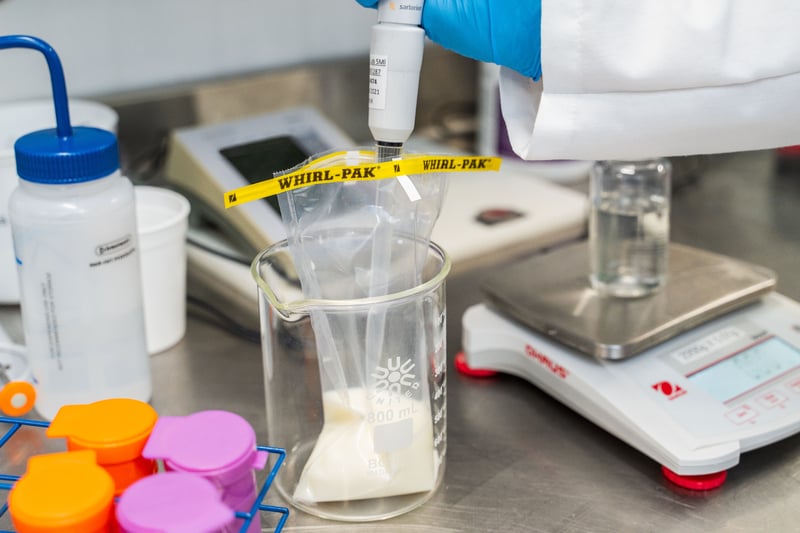
Whirl-Pak_sample-collection-bag-being-assessed-by-a-lab-worker_WEB_800x900-1

Where Data Integrity Meets Lab Efficiency

Upgrading from rigid containers to sterile sampling bags does more than streamline dairy logistics; it protects your brand reputation and product safety from the ground up.

By combining a flexible, puncture-proof design with rigorous post-manufacturing sterilization, Whirl-Pak delivers unmatched sample integrity while driving down operational costs across three key areas:

Uncompromising Sterility & Contamination Control

  • Post-Manufacturing Sterilization: Every bag undergoes sterilization after fabrication, ensuring zero pre-contamination or batch-to-batch variation before it ever reaches your field or lab setup.
  • Preventing Cross-Contamination Risks: Puncture-proof materials and leak-tight closure tabs lock in your sample, preventing cross-contamination during transit or storage.
  • True Aseptic Collection: Designed specifically to meet stringent FDA, USDA, and EPA sampling protocols without extra prep steps.

Maximum Lab Efficiency & Cost Savings

  • 76% Time Savings: Faster opening, easy filling, and quick leak-tight sealing allow technicians to process raw milk trucks and line checks in a fraction of the time.
  • Cooler & Storage Optimization: Rigid containers waste valuable cold storage space before and after sampling. Flat-stacking sampling bags maximize room in walk-in coolers and incubators.

Financial & Environmental Sustainability

  • Reduce Waste by 95%: Replacing bulky rigid containers with lightweight flexible bags reduces plastic media waste by up to 95%, helping your facility meet sustainability targets while cutting disposal fees.
  • Lower Logistics & Transit Overhead: Rigid jars add unnecessary bulk to every order. Lightweight, flexible bags take up a fraction of the space, reducing total box volume and freight costs for incoming supplies and lab shipments alike.

*Case study: April 2022 - Nasco Sampling LLC


Make the Switch Seamless

Changing everyday sampling protocols comes with logistical hurdles, including updating inventory codes, retraining plant technicians, and adjusting waste disposal.

A sampling audit simplifies that process. By reviewing your existing setup, we help you identify where flexible bags make the biggest impact, ensuring full compliance with FDA, USDA, HACCP, and EPA standards while unlocking a 76% reduction in hands-on time.

Have questions about your current setup? Request an Audit with one of our experts to learn more.

Janine Mercer

Product Manager of Laboratory Products

Janine is a Product Manager - Laboratory Products at Nelson-Jameson.

Recent posts

Production & Material Handling

August 4, 2026

5S Lean Solutions in Food Processing: 5 Steps to Audit Readiness

Enhance workplace efficiency and eliminate waste through a structured five-step approach The 5S system i...

Laboratory & QA/QC

July 29, 2026

How Flexible Bags Simplify Lab Inventory

Storing liquid sampling containers can take up valuable space for dairy processors. Rigid plastic bottle...

Processing & Flow Control

July 29, 2026

Why We Provide Alternatives to Mercury Thermometers

Nelson-Jameson is the go-to all-in-one supplier for food manufacturing needs, but we go beyond providing...

Related resources

Training
Aseptic Sampling Collection Training

Aseptic Sampling Collection Training

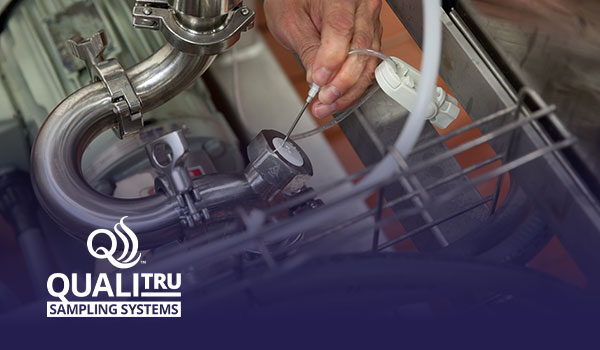
QualiTru Sampling Systems provides a training program focused on aseptic sampling, designed to teach individuals how to effectively collect samples using QualiTru equipment. The program emphasizes the significance of aseptic sampling and covers essential topics, including proper usage of QualiTru sampling equipment, techniques for collecting representative samples, methods to prevent contamination, and troubleshooting common issues. QualiTru offers various training options, such as on-site training, webinars, and online resources. Their website features a library of training videos and materials covering a wide range of topics related to aseptic sampling. Additionally, they provide customized training programs tailored to meet your specific needs.

Food Safety, Laboratory

Assessment
Training
Color-Coded Training & Site Assessment

Color-Coded Training & Site Assessment

Recognize and address possible hygiene and sanitation challenges based on the cleaning and material handling equipment available in your facility.

Through a discovery call, virtual, or on-site assessment, Vikan SQF Practitioner certified specialists will assist in confirming that your system and cleaning tool inventory aligns with your risk management objectives while pinpointing any missing tools and enhancing maintenance and usage practices. Evaluate whether your existing tools are utilized in the most effective manner, or determine if a more suitable tool exists for the task at hand. Ensure that your tools comply with all relevant standards and regulatory requirements. Site evaluations encompass a summary survey, an overview of the location, a color-coded factory layout plan, product suggestions, a recommended order form, and a proposal for a follow-up survey.


Food Safety, Sanitation, Cleaning Tools, Color Coding
Program Catalog
Color-coded Program Catalog

Color-coded Program Catalog

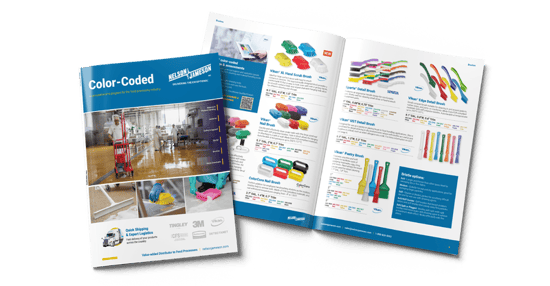
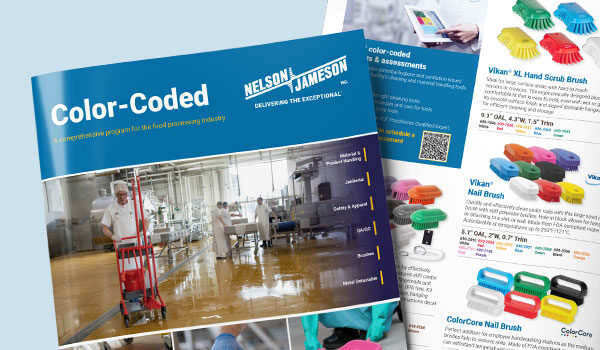
This is a comprehensive program for the food processing industry. Nelson-Jameson brings together the most extensive collection of color-coded products for material handling, product handling, janitorial, safety, apparel, QA/QC, and metal-detectable applications. With the right pieces, a color-coding system is a powerful tool in preventing cross-contamination of allergens and food-borne illnesses that can lead to sickness or expensive product recalls.

Color-Coded-Catalog_Open-Magazine-Mockup-1-1

Food Safety, Sanitation, Cleaning Tools, Color Coding

Workshop
Neogen® Petrifilm® Certification Workshop

Neogen® Petrifilm® Certification Workshop

Get Petrifilm Certified through our complimentary immersive workshop for managers, personnel, and teams. The workshop offers practical knowledge through hands-on training and networking with industry professionals and experts. Attendees gain an in-depth understanding of Petrifilm technology and valuable insights into effective environmental monitoring practices.  Participants leave with a certification and a wealth of resources that can significantly contribute to elevating their plant's quality control standards.

Food Safety, Sanitation, Laboratory