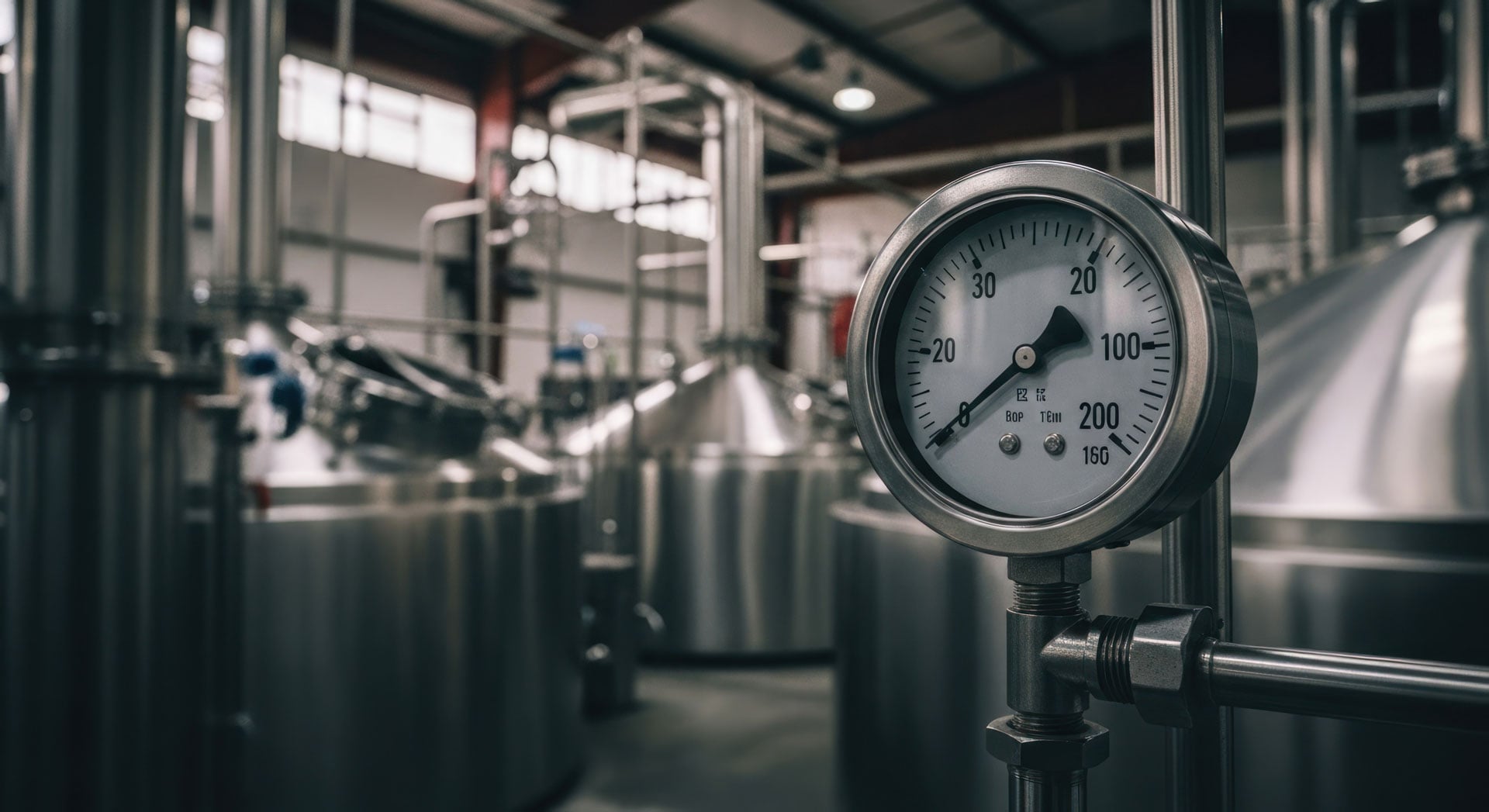

Nelson-Jameson is the go-to all-in-one supplier for food manufacturing needs, but we go beyond providing the tools that are needed. We’re also committed to food safety as well as regulatory compliance, and meeting Environmental, Social, and Governance (ESG) goals. The commitment to each of these drives our product selection which is evident in our recent decision to focus our selection on non-mercury thermometers in order to help prevent contamination from glass breakage and meet environmental regulations.
Check out our complete selection of thermometers for any food manufacturing application.
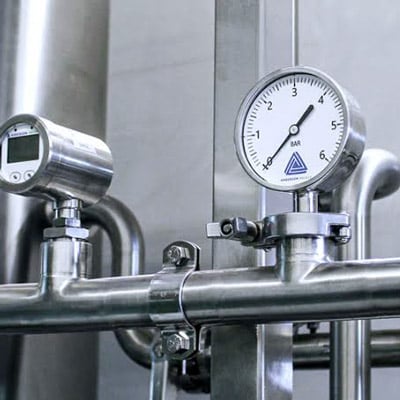
We know that keeping your facility compliant is a top priority, which is why we supply products that meet rigorous industry standards. Our temperature monitoring equipment includes options with essential ratings and certifications, such as NIST Compliant, NSF Rated, RoHS Compliant, CE Rated, WEEE Compliant, CFR Compliant, and HACCP tested models.
To learn more about maintaining compliance, read our guide on the difference between NIST-traceable calibration certificates and certificates of accuracy.
As demonstrated in our annual ESG Report, Nelson-Jameson is deeply committed to "shaping a sustainable world". A major part of this commitment involves offering safe, environmentally friendly alternatives to traditional mercury-filled thermometers. We strongly encourage transitioning to safe alternatives, such as data loggers, digital thermometers, or spirit-filled, bio-safe liquid-in-glass thermometers.
Get our temperature monitoring catalog here!
When you are ready to upgrade your equipment or transition away from mercury thermometers, we want to make the process as seamless as possible. Here are a few important things to consider when shopping for your temperature-monitoring equipment:
For more helpful advice before you buy, be sure to check out our Thermometer Tips and Tricks.
Questions? If you need help selecting the perfect safe alternative for your specific application, please contact our laboratory and process specialists for assistance!

October 23, 2026
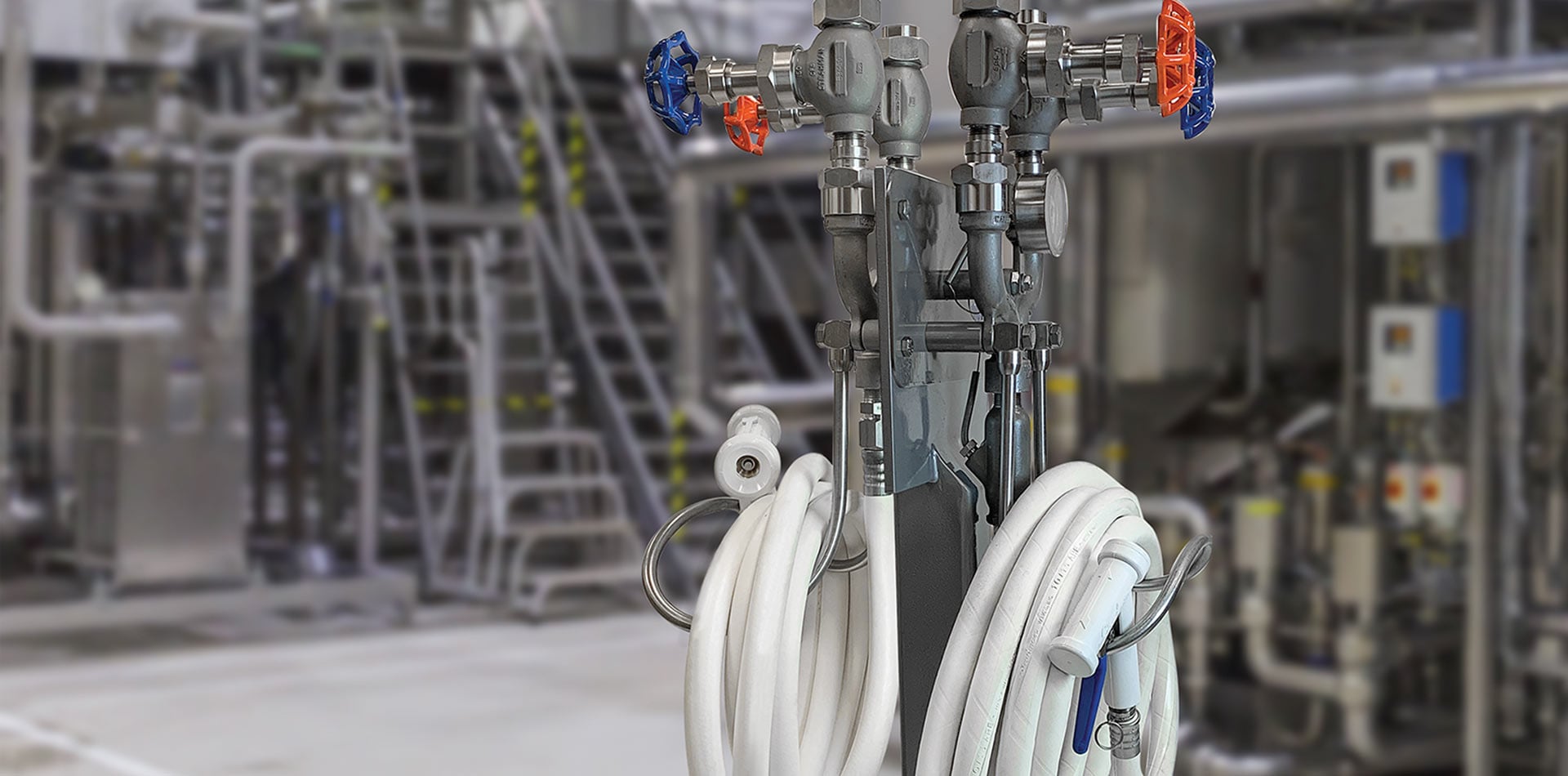
Food manufacturing washdown environments put heavy demands on sanitation equipment. Unlike disposable cl...
October 21, 2026
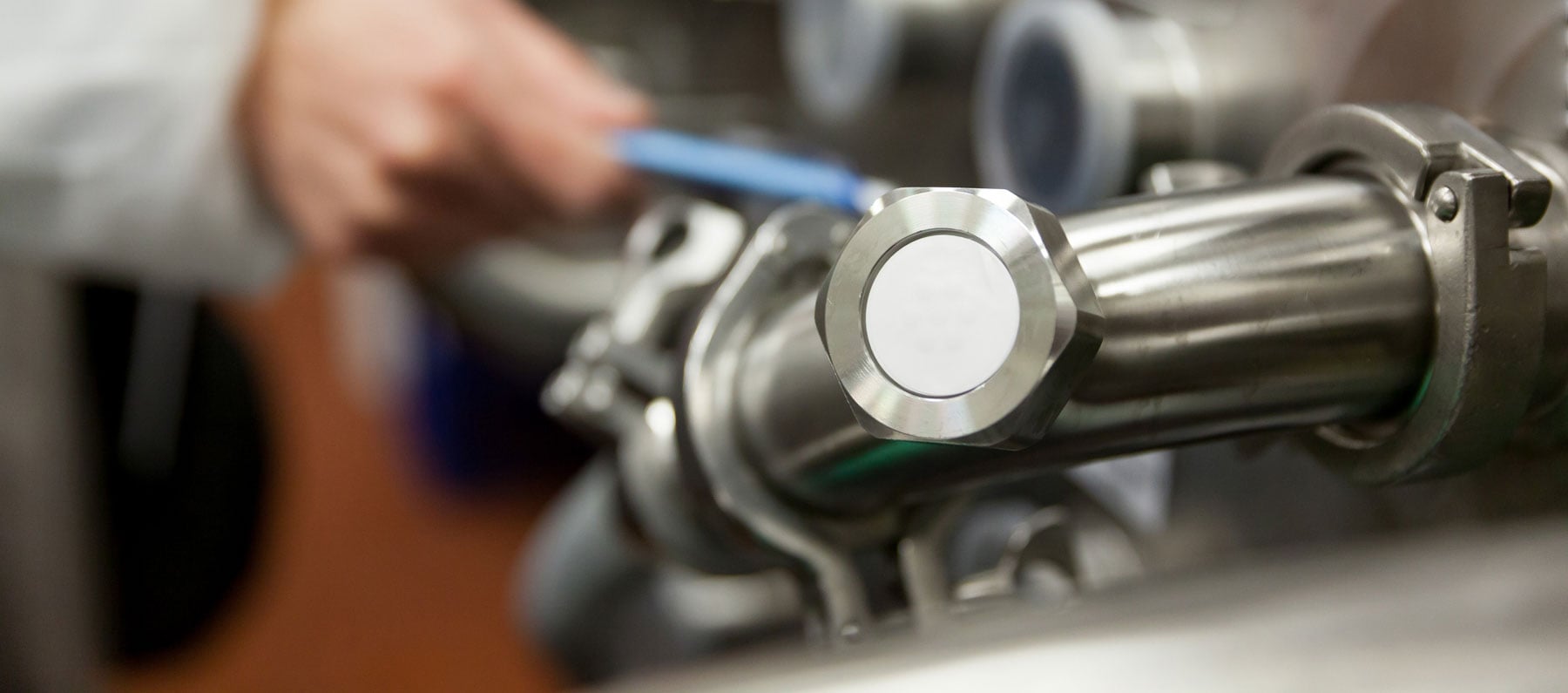
Line contamination and product recalls carry massive financial and reputational risks. Aseptic sampling ...
October 21, 2026
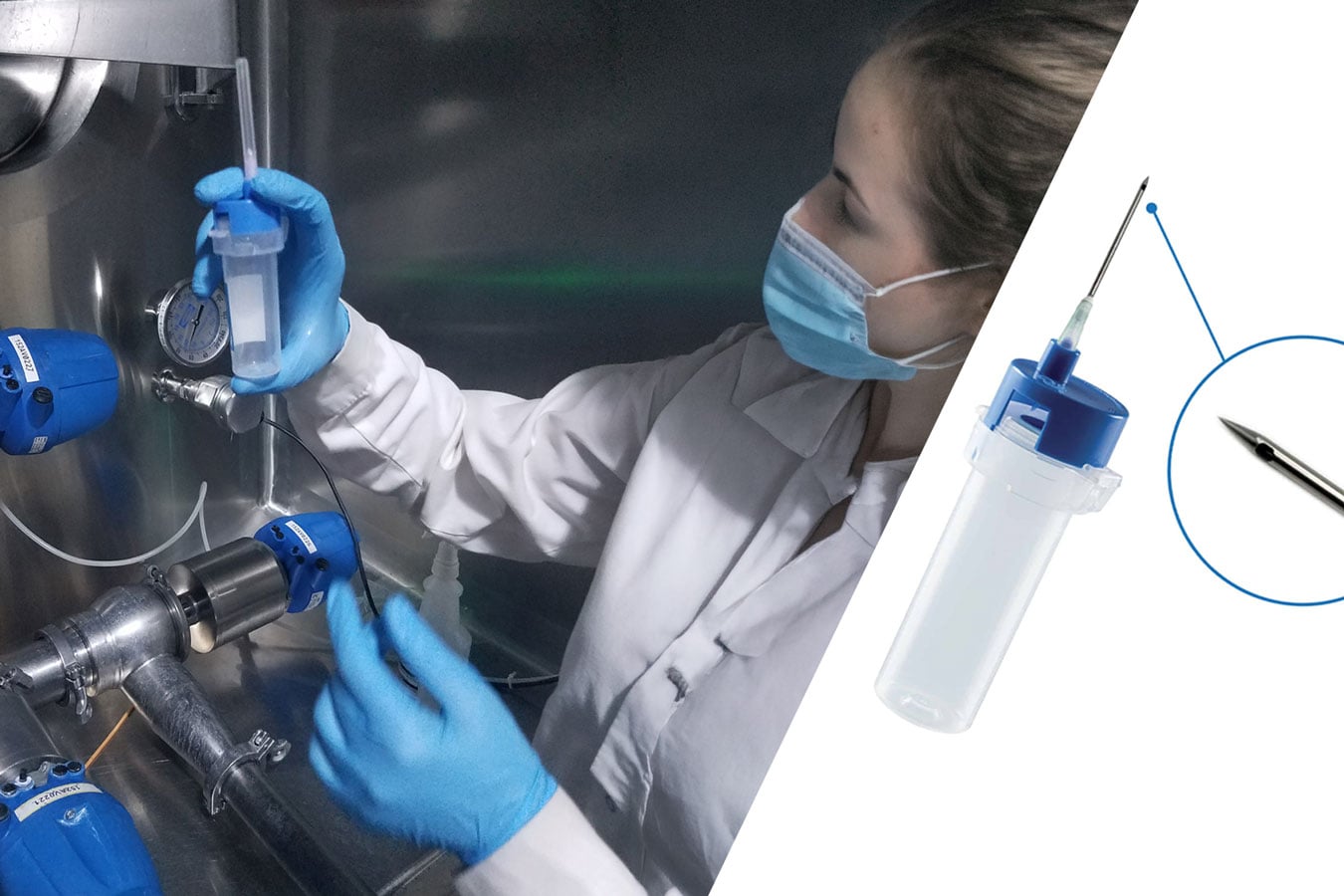
Drawing samples from thick or heavy liquids often causes needle clogs, slow sample draws, and incomplete...