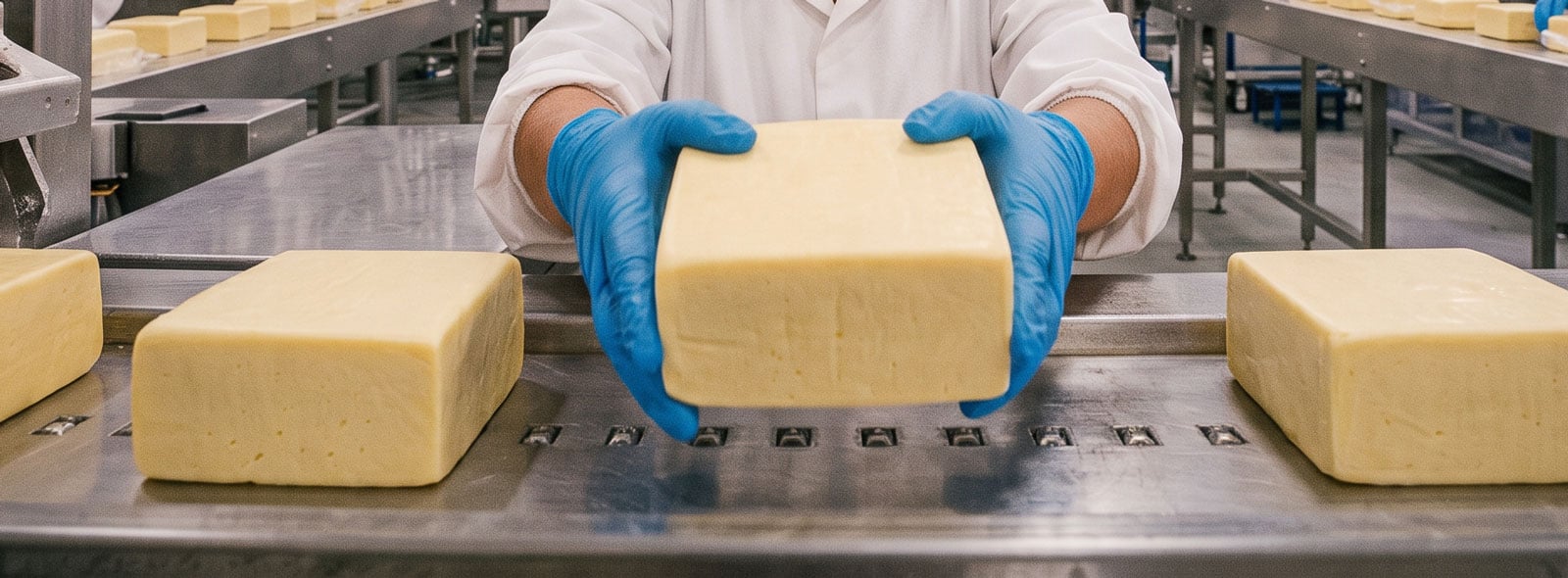

A Food Manufacturer's Guide to Managing Hand Safety Risks

September 3, 2026
Schineen Wilkinson

Hand safety isn't just about injury prevention; it's your first line of defense against cross-contamination. When sanitation protocols and PPE specs don't align, even well-run processing facilities leave hidden gaps in their hygiene controls.

PPE Built for Processing Floor Demands

Protect your workers and your product with our full range of food-compliant gloves, NSF-rated hand care, and metal-detectable solutions.
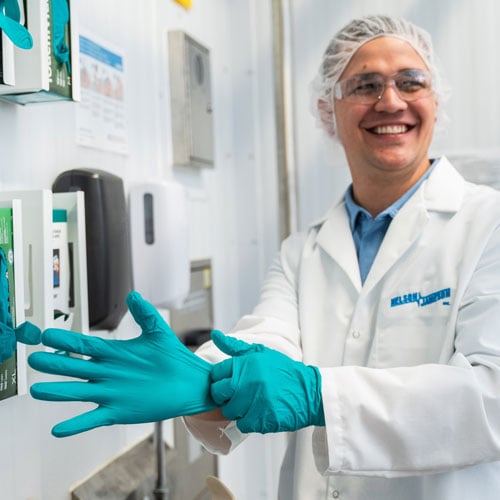
Adam-Monson-putting-on-a-pair-of-gloves-smiling-off-screen-2

The Human Element of Hand Protection in Food Manufacturing

Food safety protocols depend entirely on daily execution. When hand care or PPE causes skin irritation and fatigue, workers take shortcuts on the floor.

The Reality of Industrial Hand Care:

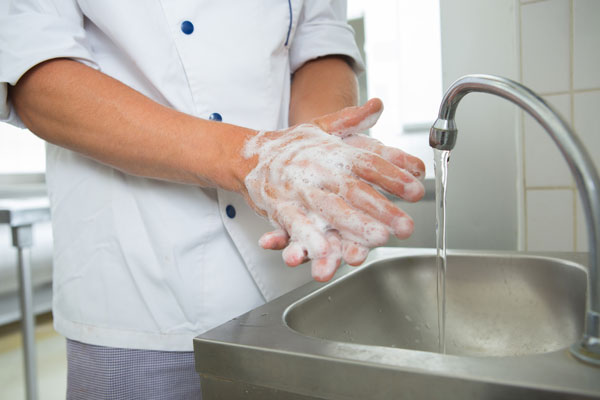
Repeated exposure to harsh industrial wash cycles strips natural lipid barriers. When hands become cracked or irritated, two major food safety risks emerge:

  • Skipped Sanitation: Rushed or missed wash cycles become frequent as employees avoid painful contact with soaps and sanitizers.
  • Hidden Pathogens: Damaged skin creates a micro-reservoir, harboring bacteria in those microscopic cracks that standard hand washing cannot reach

Prioritizing skin health maintains consistent wash protocols and protects facilities against cross-contamination.

Equipping Your Facility with Complete Hand Safety and Hygiene Solutions:

  • Browse Products & Systems: Download or request a copy of the Nelson-Jameson Hand Hygiene Solutions for Food Safety Catalog to explore our line of NSF-rated soaps and sanitizing systems to maintain skin health without compromising sanitation standards.
  • Request a Hand Hygiene Training: Partner with Nelson-Jameson for on-site or virtual training featuring demonstrations, expert instruction, and course completion certificates. Request a session here.

The Trap of Liquid-Proof Gloves:

Frequent washing isn't the only routine damaging worker skin—impermeable gloves introduce their own operational challenge. Wearing heavy, liquid-proof gloves for hours traps heat and sweat against the skin, causing maceration and severe skin breakdown:

  • Friction Burns & Chafing: Soaked skin degrades rapidly, leading to raw palms, peeling, and wrist rashes.
  • Unsafe Glove Workarounds: Uncomfortable workers are far more likely to tear gloves off early, blow inside gloves to force them on, or skip mandated glove changes entirely.

Pre-Glove Care & E2 Washes:

Preparing skin before putting on gloves is critical. Using mild, skin-nourishing E2-rated hand soaps removes contaminants without stripping natural lipid barriers, while specialized barrier creams reduce sweat-induced breakdown.

Post-Glove Sanitation & E3 Sanitizers:

When gloves come off, hands need immediate, non-irritating protection. Applying gentle E3-rated hand sanitizers ensures complete pathogen reduction without stinging or further drying out vulnerable skin.

Healthy skin is the baseline, but daily operations bring elevated risks. Moving from routine hand hygiene to high-exposure tasks like CIP washdowns, caustic handling, or high-heat lines requires transitioning from routine skin care to high-protection equipment.

Rethink Your Plant's Hand Safety

Learn from industry experts how to identify hidden workplace hazards and select proper protective handwear.
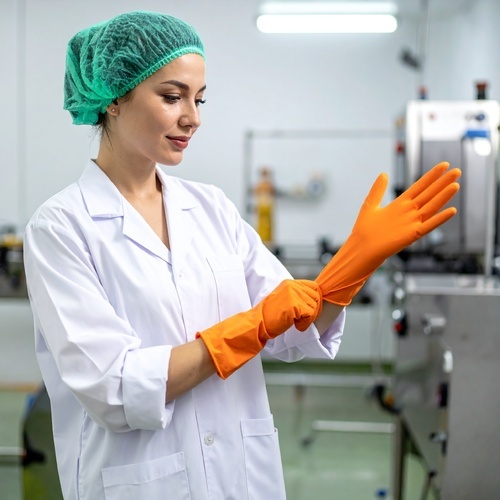
Food Manufacturing Worker putting on orange gloves-1

Protecting Against Mechanical, Chemical, and Thermal Hazards

Chemical & Sanitation Exposure:

Protecting workers during food manufacturing and dairy processing starts with proper hand and forearm protection—especially during Clean-in-Place (CIP) procedures, caustic handling, and acid washdowns. Equipping teams with extended 12” to 18” heavy-duty nitrile gloves stops chemical runoff from reaching skin.

High-exposure areas require gloves with a durable nitrile shell rated for Type A chemical resistance to protect against primary processing and sanitation chemicals.

Cut & Laceration Defense:

Tasks such as slicing, blade changes, raw prep, and line maintenance expose workers to sharp edges. Processing lines require gloves that combine chemical resistance with mechanical protection:

  • High-Level Cut Protection: ANSI Cut Level A6 gloves meet high-risk requirements for sharp-edge hazards.
  • Grip Control: Textured finishes maintain a secure hold on wet machinery, slick tools, and sharp components.
  • Durability: ANSI Abrasion Level 5 ratings extend glove life across long shifts.
  • Dexterity: Flexible materials maintain hand control for detailed maintenance and prep work.

Light-Duty Applications & Perspiration Control:

Handling liquids requires specific surface grip features alongside internal moisture management for multi-hour wear.

  • Raised Diamond Texture: Channels liquids away from the palm to maintain a secure hold on wet or oily surfaces.
  • Sweat Management: Reduces interior moisture and heat buildup to limit skin irritation and hand fatigue.
  • Easy Donning: Interior linings prevent material from sticking, allowing workers to slip gloves on with damp hands.

Thermal Extremes: Hot & Cold Lines:

Managing thermal hazards requires matching glove materials to specific temperature ranges and operational risks:

  • Cold Storage & Sub-Zero Processing: Freezing environments require insulated liners to prevent cold-transfer and numbness while maintaining grip on chilled equipment.
  • Thermal & Heat Applications: High-heat processing lines demand thermal-resistant barriers that protect against direct heat contact without absorbing hot liquids or steam.
  • Flexibility & Material Selection: Heavy thermal protection must maintain sufficient dexterity to prevent hand fatigue during repetitive line tasks.

Mitigating Ergonomic Hazards & Fatigue

Glove Fatigue & Dexterity:

Though often overlooked as a minor complaint, hand strain quietly drives up plant costs through lowered output and increased worker downtime. Selecting gloves that support natural hand movement, rather than forcing workers to exert double the force, prevents Repetitive Strain Injuries, Musculoskeletal Disorders, and Carpal Tunnel Syndrome.

Precision Industrial Gloves:

Engineered for a second-skin fit, high-flexibility industrial gloves deliver exceptional tactile control and breathability, allowing employees to perform delicate assembly and packaging tasks comfortably across an entire shift.

Key Line Benefits:

  • Enhanced Tactility: Ultra-thin foam nitrile coatings deliver maximum tactile sensitivity and breathability without sacrificing essential cut and abrasion protection.
  • Proven Productivity: Field testing shows lightweight, flexible gloves can increase precision task completion speeds by up to 42% compared to standard industrial gloves.
  • Certified Comfort: Ergonomically designed PPE is overwhelmingly preferred by workers for precision handling, while skin-safe, dermatologically tested materials ensure comfort during all-day wear.

Maximize Floor Productivity & Ergonomics:

Want to see how reducing hand fatigue directly impacts your bottom line? Read the full guide on ergonomics, hand health, and productivity ROI.


Close the Gaps in Your Hand Safety Strategy

Protecting workers and product integrity requires aligning daily hand care, task-specific PPE, and facility compliance. Nelson-Jameson provides the expertise, comprehensive hygiene systems, and specialized hand protection needed to keep processing operations safe, efficient, and fully compliant.

Get Started with Nelson-Jameson

Schineen Wilkinson

Product Manager - Safety Products

Recent posts

Processing & Flow Control

August 27, 2026

Safeguarding Precision: Temperature Instrument Calibration & Repair

Out-of-calibration thermometers compromise product safety, jeopardize regulatory compliance, and lead to...

Processing & Flow Control

August 27, 2026

Identifying and Measuring Tank Manway Gaskets

A Step-by-Step Technical Guide to Precision Sizing and Identification

Cleaning Tools

August 20, 2026

Vikan Squeegees Help Food Manufacturers Overcome Risks

Traditional multi-piece and foam squeegees can wear down quickly in wet processing environments. Harsh c...

Related resources

Training
Aseptic Sampling Collection Training

Aseptic Sampling Collection Training

QualiTru Sampling Systems provides a training program focused on aseptic sampling, designed to teach individuals how to effectively collect samples using QualiTru equipment. The program emphasizes the significance of aseptic sampling and covers essential topics, including proper usage of QualiTru sampling equipment, techniques for collecting representative samples, methods to prevent contamination, and troubleshooting common issues. QualiTru offers various training options, such as on-site training, webinars, and online resources. Their website features a library of training videos and materials covering a wide range of topics related to aseptic sampling. Additionally, they provide customized training programs tailored to meet your specific needs.

Food Safety, Laboratory

Assessment
Training
Color-Coded Training & Site Assessment

Color-Coded Training & Site Assessment

Recognize and address possible hygiene and sanitation challenges based on the cleaning and material handling equipment available in your facility.

Through a discovery call, virtual, or on-site assessment, Vikan SQF Practitioner certified specialists will assist in confirming that your system and cleaning tool inventory aligns with your risk management objectives while pinpointing any missing tools and enhancing maintenance and usage practices. Evaluate whether your existing tools are utilized in the most effective manner, or determine if a more suitable tool exists for the task at hand. Ensure that your tools comply with all relevant standards and regulatory requirements. Site evaluations encompass a summary survey, an overview of the location, a color-coded factory layout plan, product suggestions, a recommended order form, and a proposal for a follow-up survey.


Food Safety, Sanitation, Cleaning Tools, Color Coding
Program Catalog
Color-coded Program Catalog

Color-coded Program Catalog

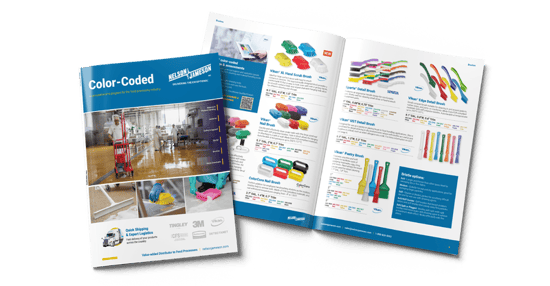
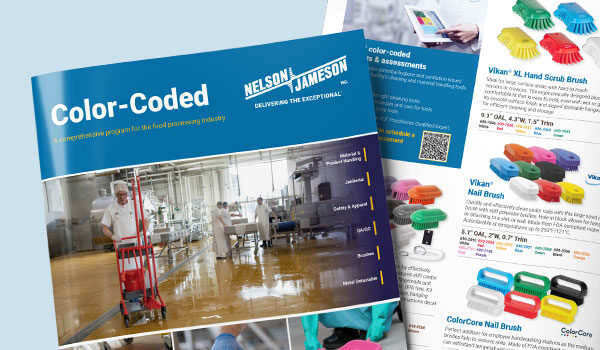
This is a comprehensive program for the food processing industry. Nelson-Jameson brings together the most extensive collection of color-coded products for material handling, product handling, janitorial, safety, apparel, QA/QC, and metal-detectable applications. With the right pieces, a color-coding system is a powerful tool in preventing cross-contamination of allergens and food-borne illnesses that can lead to sickness or expensive product recalls.

Color-Coded-Catalog_Open-Magazine-Mockup-1-1

Food Safety, Sanitation, Cleaning Tools, Color Coding

Workshop
Neogen® Petrifilm® Certification Workshop

Neogen® Petrifilm® Certification Workshop

Get Petrifilm Certified through our complimentary immersive workshop for managers, personnel, and teams. The workshop offers practical knowledge through hands-on training and networking with industry professionals and experts. Attendees gain an in-depth understanding of Petrifilm technology and valuable insights into effective environmental monitoring practices.  Participants leave with a certification and a wealth of resources that can significantly contribute to elevating their plant's quality control standards.

Food Safety, Sanitation, Laboratory