
A Guide to Peppers: How Food Manufacturers Can Bring Out Flavor Behind the Heat

June 11, 2026
Marcie Woodley

Consumers are chasing authentic pepper flavors that offer depth, not just a sting. Cheese is the perfect carrier for these profiles, allowing manufacturers to elevate traditional varieties with bold, unexpected flavors. Perfecting this pairing depends entirely on application—specifically, knowing how and when to introduce the peppers to unlock the best flavor profile. Ultimately, maintaining a smooth workflow requires a tightly controlled environment where high-heat varieties can be handled safely.

Peppers for Every Heat and Flavor

Browse Nelson-Jameson's selection of high-quality brined, pureed, and dried peppers.

Peppers_ingredients-by-type

The flavor profiles: Navigating the Scoville Scale

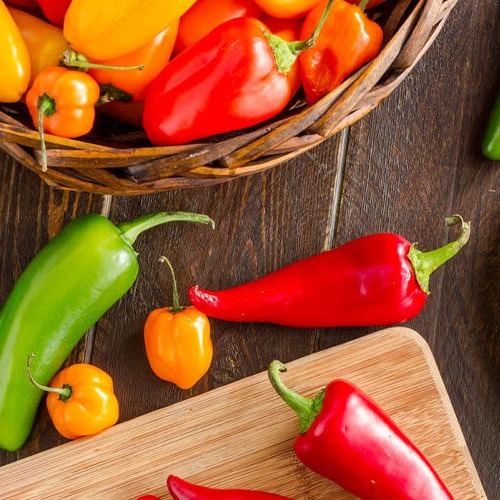
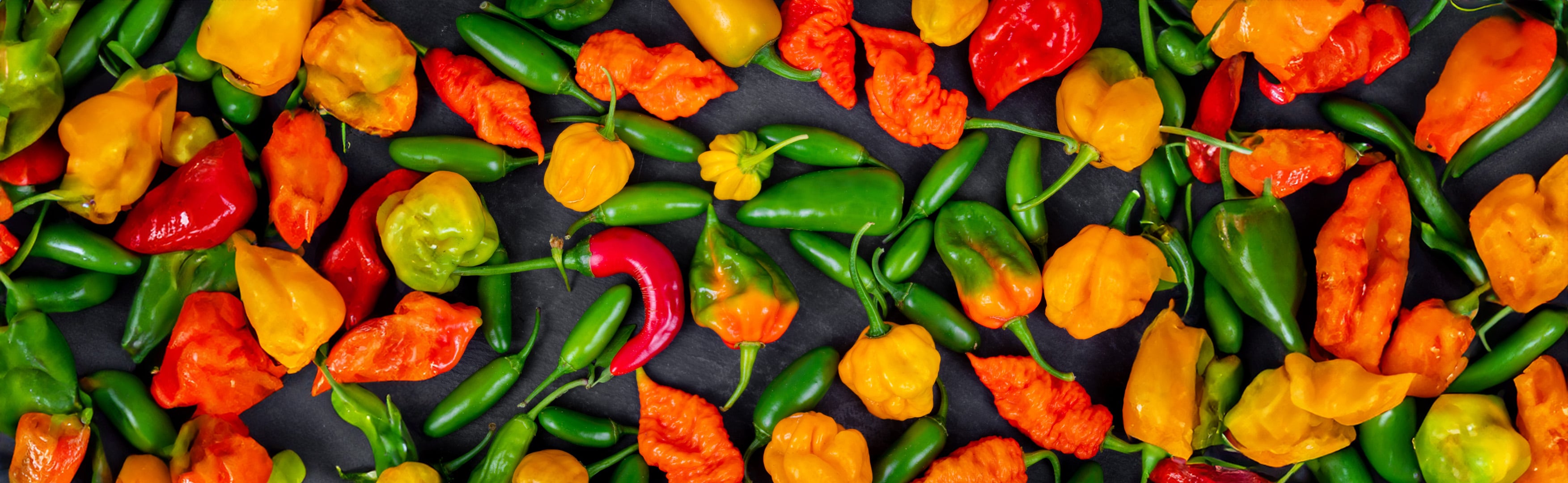
Nelson-Jameson provides a variety of peppers that vary heat and in flavor profile. This diverse selection of peppers allows for a variety of bold flavors.

At the baseline of the scale sits the more mild peppers like the Green and Red Jalapenos. Jalapenos are a staple in a variety of cheeses. From a creamy Monterey Jack to Hispanic-style Quesadilla cheese.

  • The green jalapenos offer a more crisp, grassy flavor with a thick pepper flesh. Perfect for just the right amount of heat with a brilliant green color addition to any product.
  • The red jalapenos are those same green peppers that have had more time to mature, growing a more well-rounded flavor profile, providing a sweeter and fruitier flavor.

When moving up the scale the flavor profiles become a lot more distinct.

  • The orange Habanero jumps into a more serious heat level often 100X more than that of the jalapeno. Habanero brings a tropical and floral sweetness along with its intense heat.
  • At the extreme end of the scale, the Ghost Pepper and Carolina Reaper. These ingredients are not for the faint of heart. They are typically 3-10X hotter than the habanero. These peppers offer a slow-building, smoky heat. Because they are so intense, these are best reserved for extreme specialty blends, where just a tiny hint completely changes the character of the product.

Matching the Format to the Formulation

Finding the perfect flavor profile is only half the battle. When you’re developing a new recipe, how you introduce that pepper into your line matters just as much as the heat level. Nelson-Jameson supplies peppers in three primary categories: brined, puree, and dehydrated.

Each of these serves a very specific processing need, depending on whether you are manufacturing natural or processed cheeses. Choosing the right format comes down to how you want the pepper to perform:

  • Brined dices (⅛”)The visual standouts: Brined diced peppers are the simplest way to get those distinct flecks of color into a batch of cheese. They hold their shape well during processing, leaving the cheese with a traditional look that stands out nicely on the shelf.
  • Puree—Seamless flavor, zero texture: When you need a smooth, uniform heat throughout a processed cheese or spread, purees are the answer. They blend entirely into the formulation, delivering a consistent kick in every bite without changing the creamy texture of the dairy.
  • Dehydrated—Ultimate control and longevity: If you want to avoid adding additional moisture in your finished product, dried peppers are the solution. They blend smoothly into a variety of product formulations and offer a longer shelf life with a smaller warehouse footprint. 

Work with Our Experts

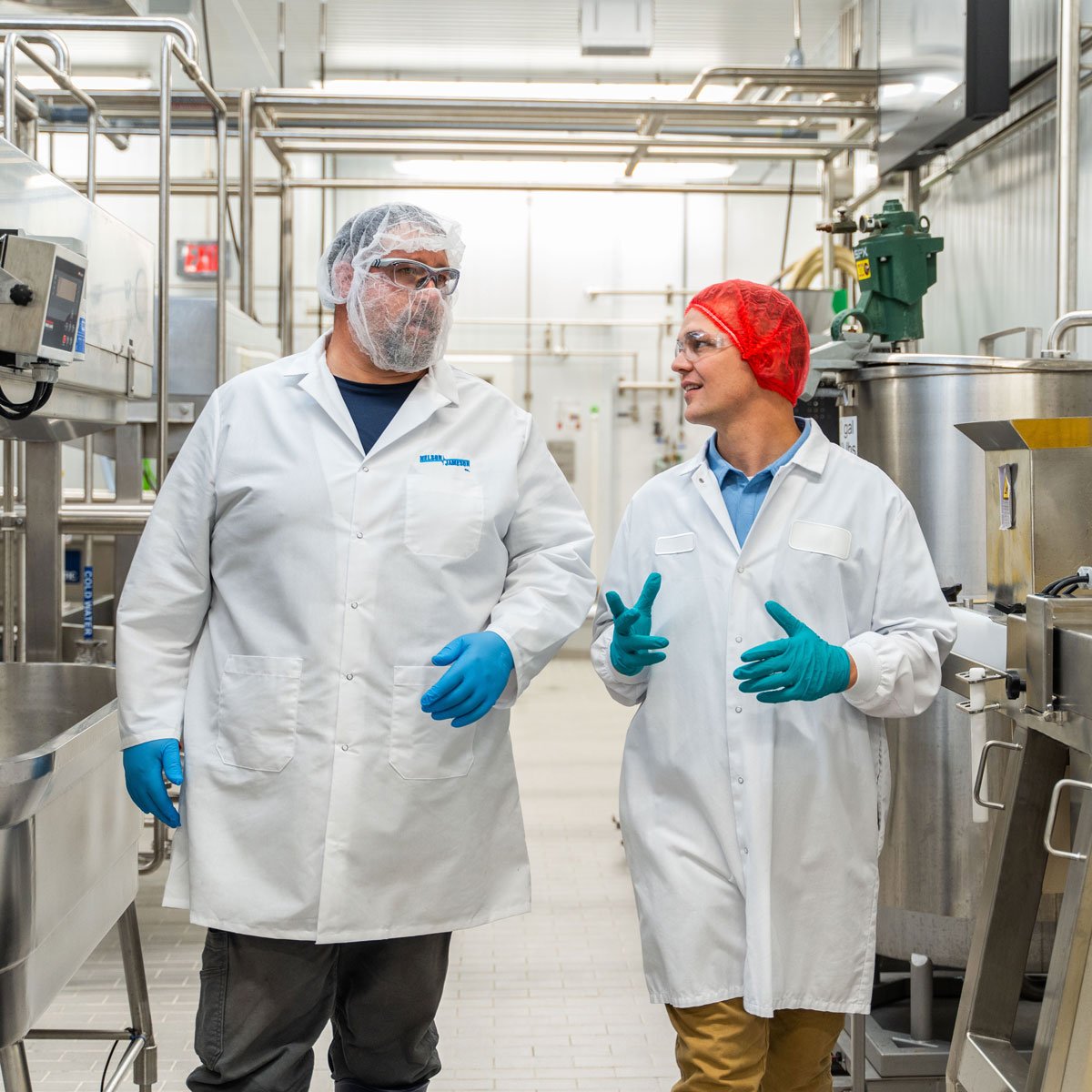
Connect with our ingredients team today to discuss your application or request specific ingredient samples.
Speak with an expert
Nelson-Jameson-employee-and-customer-walking-and-talking

Standards, safety, and supply

Sourcing high-heat ingredients requires strict risk management and top-notch traceability—it goes far beyond just finding the right flavor profile. Ensuring a seamless production run relies on three primary pillars:

Regulatory Compliance and Biosecurity

  • FDA-Registered Facilities: Sourcing exclusively from FDA-registered facilities guarantees that all ingredients meet rigorous federal food safety standards.

  • Biosecurity Programs: Our partners use fully implemented biosecurity programs. These protocols keep contamination out of the supply chain and ensure we check every box for FSMA regulations.

Supply Chain Reliability & Warehousing

  • SQF-Inspected Warehousing: We only use SQF-inspected warehouses. This ensures the ingredients are held under certified international safety and quality standards long before they ever reach the line.

  • Strict Chain of Custody: We track every shipment from harvest to the factory floor. This tight control prevents cross-contamination, keeps regulators happy, and ensures production never grinds to a halt.

Ultra-Hot Pepper Safety & Handling Guidelines:

Ultra-hot pepper varieties introduce serious workplace hazards. Implementing proper safety handling guidelines is mandatory to protect personnel and maintain operational continuity:

  • Personal Protective Equipment (PPE): Handlers must wear heavy-duty nitrile gloves, protective eye goggles or full face shields, along with fluid-resistant aprons or lab coats.
  • Respiratory Protection: NIOSH-approved respirators must be worn when handling powdered or agitated peppers to prevent inhalation of airborne dust.

Let’s perfect your heat profiles

Balancing distinct heat profiles with precise moisture control and strict production safety is a tough formula to crack. Whether you are scaling up a specialty blend or optimizing an existing line, our team can help you select the right format, hit your Scoville targets, and keep your facility fully compliant.

Whether you process cheese, fermented meats, dips, specialty breads, gourmet condiments, savory pet treats, or specialty snacks, we are here to help. Contact Nelson-Jameson today to speak with one of our ingredients experts.


Marcie Woodley

Product Manager - Chemicals & Ingredients

Marcie is Product Manager - Cleaning Chemicals at Nelson-Jameson.

Recent posts

Food Safety

June 11, 2026

One Analyzer, Endless Possibilities: Streamlining Testing for Diverse Portfolios

Consumer demand for diverse dairy products is growing rapidly. Managing quality control for a wide varie...

Processing & Flow Control

June 10, 2026

Proactive Maintenance, Minimal Downtime: Access Alfa Laval Training

With the high cost of unexpected downtime in food manufacturing, implementing a preventive maintenance s...

Processing & Flow Control

May 29, 2026

Introducing Sani-Matic ALVIM Biofilm Sensor

Maintaining sanitary conditions and process integrity is critical in food manufacturing, beverage proces...

Related resources

Assessment
Training
Natural Color Assessment & Training

Natural Color Assessment & Training

Achieve the perfect natural color for your food or beverage. The experts at Nelson-Jameson provide tailored solutions for applications including:

  • Cheese & Dairy

  • Ice Cream & Frozen Desserts

  • Beverages

  • Candy, Snacks & Confectionery

Our full-service support includes custom color matching, regulatory guidance, and labeling assistance. We analyze your ingredients, process, and packaging to deliver a stable, brilliant color solution built for success.

Ingredients

Webinar
ON-DEMAND WEBINAR: Navigating the Transition to Natural Colors

ON-DEMAND WEBINAR: Navigating the Transition to Natural Colors

Between shifting consumer preferences and tightening regulatory bans, the industry is moving toward natural alternatives. But for R&D and QA teams, this isn't just a simple "swap." Natural colors behave differently under pressure—literally.

Dairy, Ingredients

Product Line Card
Dairy Ingredients

Dairy Ingredients

Ingredients

Training
Antibiotic Residue Training

Antibiotic Residue Training

dsm-firmenich offers comprehensive training on Delvotest, which is essential for accurately detecting antibiotics in your milk supply. The training covers an overview of the test's principles, detailed step-by-step procedures, quality control measures, troubleshooting techniques, and guidance on interpreting results. Proper training is crucial for ensuring accurate results, maintaining milk safety, complying with regulations, and enhancing the efficiency of testing processes. You can choose between webinar and on-site training formats.

Ingredients