
How to Manage Manufacturing Challenges of Dried Peppers

July 2, 2026
Whitney Mader

Dried peppers introduce distinct physical, chemical, and microbiological hurdles for food manufacturers. Transitioning to a dry format requires heightened controls for airborne dust, advanced screening for debris, and climate-controlled storage to prevent moisture absorption and mold growth.

In this article, Nelson-Jameson shares more about dried peppers and helps you navigate the challenges of working with dried peppers in your plant.

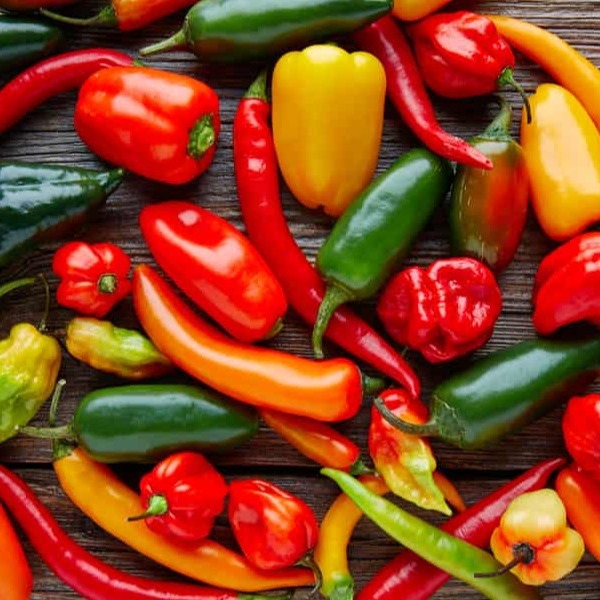
Peppers for Every Heat & Flavor

Browse Nelson-Jameson's entire selection or request a sample today!
chili-peppers

Formulating Across the Scoville Scale

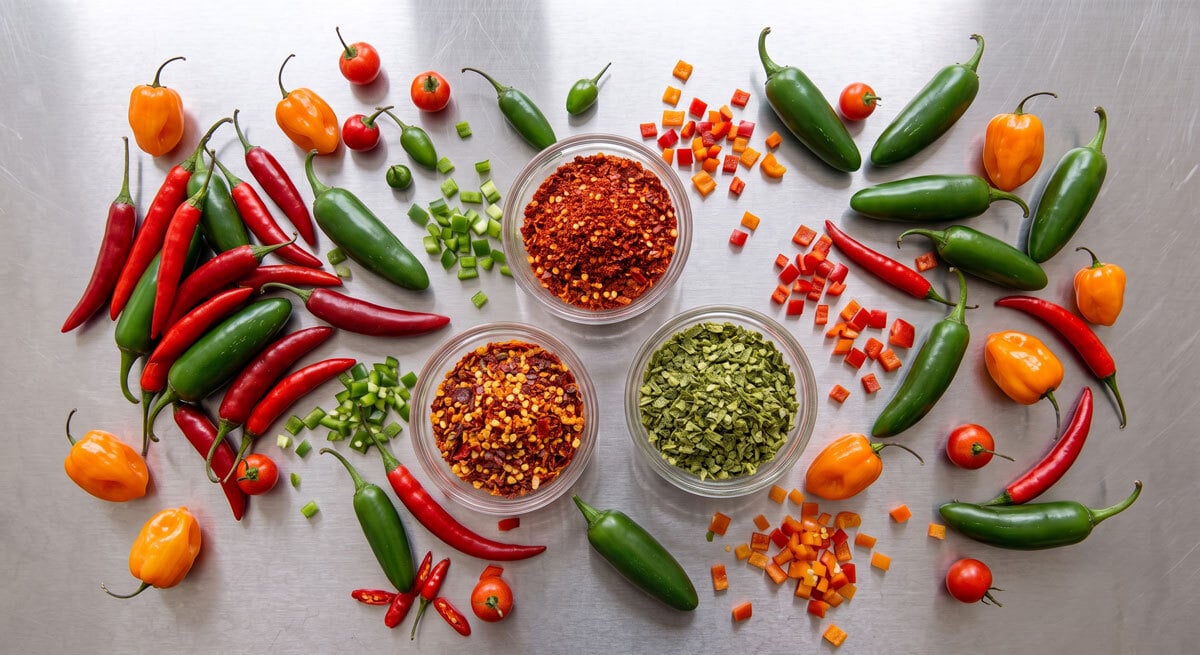
Dehydrating peppers does more than remove moisture—it concentrates flavors and exponentially amplifies heat, splitting dried peppers into two distinct formulating categories:

  • Green & Red Jalapenos: Sitting at the lower end of the Scoville scale, these offer a milder, slightly sweeter profile. They are ideal for high-volume use where consistent color and subtle warmth are the goals.
  • Carolina Reaper & Ghost Peppers: These deliver intense, concentrated heat alongside bold, distinctive flavor. Because of their extreme potency, they are typically utilized in micro-dosages for specialty or niche product lines.

Moisture Control and Application

Perfecting a new recipe requires careful control over both flavor profiles and product chemistry. For manufacturers looking to deliver intense heat without altering the delicate moisture balance of their finished cheeses or meats, dehydrated peppers offer the ultimate solution for precise application and logistical efficiency:

  • Seamless Integration: Ability to mix smoothly into diverse product lines and offers a stable, long-lasting shelf life.
  • Compact Storage: Maximizes warehouse space
  • Eliminating Unwanted Moisture: Concentrates heat and flavor without introducing water

Brand Protection and Plant Safety

Sourcing high-heat-dried peppers requires strict risk management that goes far beyond just finding the right flavor profile. To ensure a seamless production run and protect facility personnel from serious workplace hazards, food manufacturers must commit to uncompromising safety and compliance protocols from the supply chain down to the factory floor:

  • The Corporate Standard: Ensure complete traceability and protect your brand by sourcing exclusively from FDA-registered facilities and warehouses operating under 100% SQF certification.

  • The Floor Standard: Strict PPE compliance is mandatory when handling Carolina Reapers. For general handling, a well-fitting mask, nitrile gloves, and safety glasses are required. When dumping or mixing dried peppers, our NIOSH-approved respirators are non-negotiable.


Nelson-Jameson: Your Source for Dried Peppers

From bold flavor profiles to clean-label formulations, Nelson-Jameson has the consistency, quality, and expertise you need to create your products with confidence. Our chain of custody procedures, warehousing, and on-time delivery make sure you receive what you need, when you need it.

Our products and facilities also meet the highest standards for specialized dietary requirements, giving your brand the verified credentials today's consumers look for:

  • Faith-Based: Kosher, Halal, Pareve
  • Lifestyle & Health: Organic, Non-GMO, Vegan, Vegetarian, Gluten-Free, All-Natural

Unlock the Ultimate Pepper Guide

Ready to optimize your next formulation? Head over to our Ultimate Guide to Peppers for a full breakdown of processing specs, heat scales, and compliance standards for both brined, pureed, and dry formats.

Whitney Mader

Product Manager - Packaging, Ingredients, and Chemicals (PIC)

Recent posts

Food Safety

July 1, 2026

When Spoilage Isn’t from the Usual Suspects: Heat-Resistant Mold in Cheese Cultures

This article was originally published by QualiTru Sampling Systems. Read the original article here.

Food Safety

June 30, 2026

The Hidden Costs of Standard Sampling

When daily lab testing volumes pile up, efficiency can get placed on the back burner to get data out the...

Food Safety

June 29, 2026

Cold Chain Paradox: Why Listeria Still Rules the Risk Profile in 2026

Despite major technological and scientific advancements in the food manufacturing industry, Listeria out...

Related resources

Assessment
Training
Natural Color Assessment & Training

Natural Color Assessment & Training

Achieve the perfect natural color for your food or beverage. The experts at Nelson-Jameson provide tailored solutions for applications including:

  • Cheese & Dairy

  • Ice Cream & Frozen Desserts

  • Beverages

  • Candy, Snacks & Confectionery

Our full-service support includes custom color matching, regulatory guidance, and labeling assistance. We analyze your ingredients, process, and packaging to deliver a stable, brilliant color solution built for success.

Ingredients

Webinar
ON-DEMAND WEBINAR: Navigating the Transition to Natural Colors

ON-DEMAND WEBINAR: Navigating the Transition to Natural Colors

Between shifting consumer preferences and tightening regulatory bans, the industry is moving toward natural alternatives. But for R&D and QA teams, this isn't just a simple "swap." Natural colors behave differently under pressure—literally.

Dairy, Ingredients

Product Line Card
Dairy Ingredients

Dairy Ingredients

Ingredients

Training
Antibiotic Residue Training

Antibiotic Residue Training

dsm-firmenich offers comprehensive training on Delvotest, which is essential for accurately detecting antibiotics in your milk supply. The training covers an overview of the test's principles, detailed step-by-step procedures, quality control measures, troubleshooting techniques, and guidance on interpreting results. Proper training is crucial for ensuring accurate results, maintaining milk safety, complying with regulations, and enhancing the efficiency of testing processes. You can choose between webinar and on-site training formats.

Ingredients