
The connection between worker safety and food safety is direct and unavoidable: when footwear fails to fit properly, worker fatigue, discomfort, and distractions follow, creating risks that can domino into slips, trips, or compromised sanitation.
With in-house engineers continuously designing and testing protective footwear to meet the highest standards of comfort and protection, Dunlop Protective Footwear at Nelson-Jameson offers specialized fit profiles and proprietary materials engineered specifically for the demands of food manufacturing.
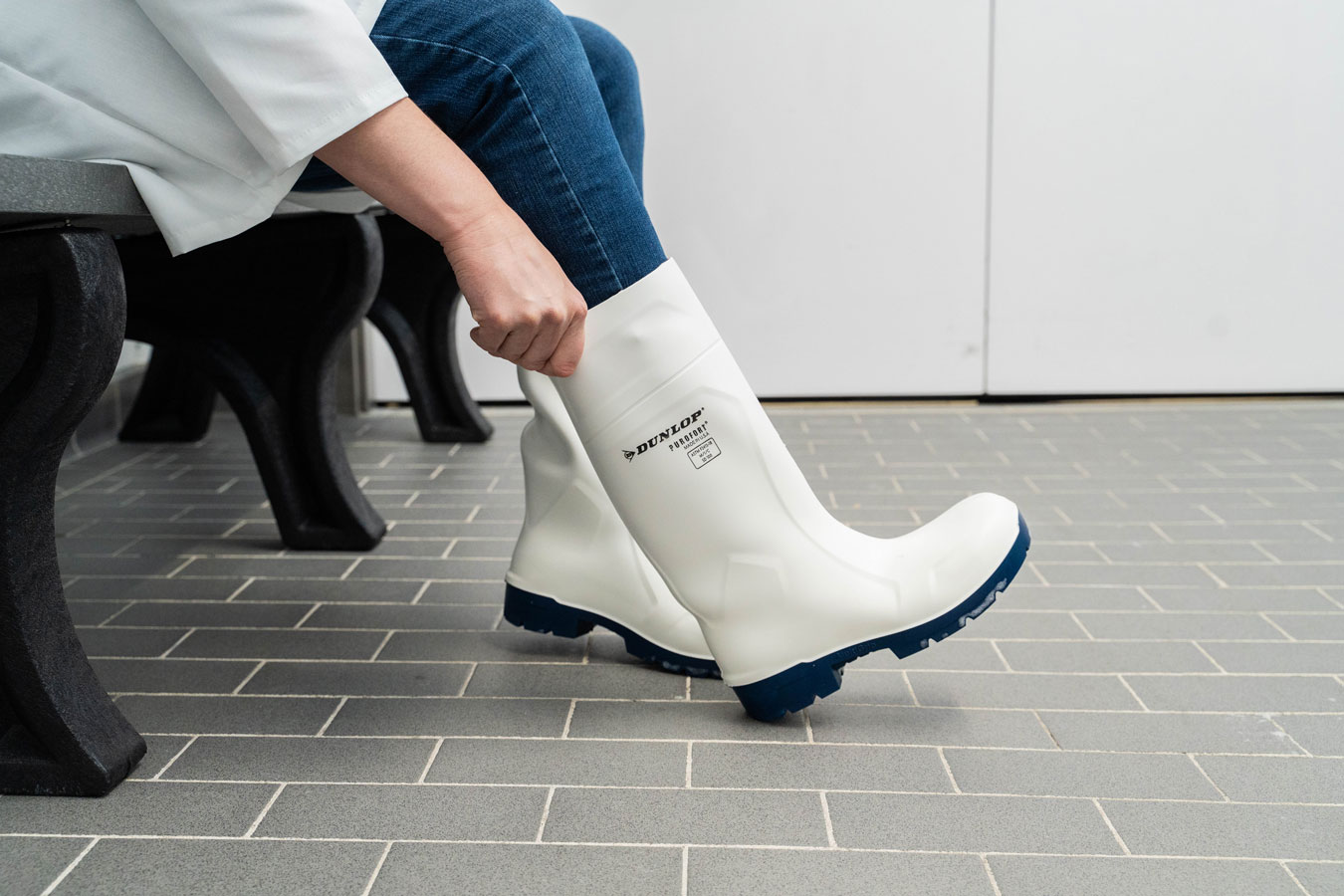
Select the ideal boot fit to optimize worker comfort, eliminate heel slippage, and maintain plant safety standards.
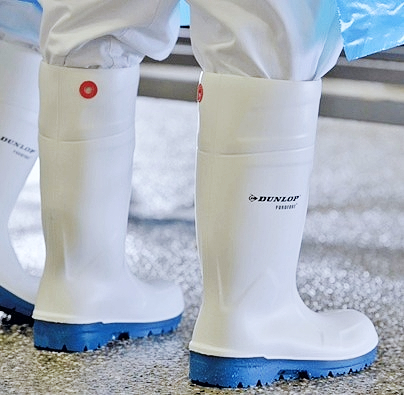
At the core of an effective plant safety strategy is keeping team members comfortable and compliant. When boots are ill-fitting, overly heavy, or lack proper traction, workers adopt an unnatural "penguin walk" to maintain balance. This causes premature fatigue, muscle strain, and lower morale across extended shifts. Research indicates that for every pound removed from footwear, it equates to taking five pounds of burden off a worker's back.
Furthermore, footwear discomfort leads to frequent mid-shift adjustments or compromised stability on wet, oily quarry tile floors. Utilizing footwear that satisfies slip-resistance standards—such as SRO (Slip Resistant – Oil) ratings designed for fatty processing environments—helps protect employees while safeguarding your facility against product contamination and costly downtime.
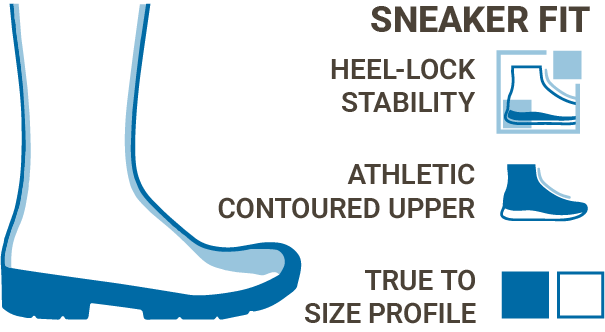
Drawing on over 100 years of innovation, Dunlop provides two distinct fit profiles to ensure every employee finds the exact protection and comfort required for their specific role.
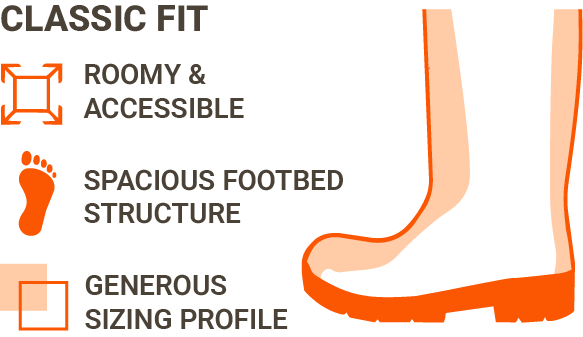
For the Purofort+, Classic Thermo+, FoodPRO, and Rig-air:
For the Pro Series, Thermo+ Series, FieldPro, and RigPro:
The outer fit is supported by Dunlop’s advanced material innovations, formulated specifically to withstand food processing conditions:
Purofort® Material Innovation: Dunlop’s proprietary Purofort® material features millions of evenly distributed air pockets locked in a cross-linked structure. This creates an ultra-lightweight, thermally insulating boot wall that remains exceptionally flexible and strong, significantly reducing worker leg fatigue during long shifts.
Acifort® Chemical & Fat Resistance: For environments exposed to harsh organic compounds, Acifort® technology blends PVC, nitrile rubber, and specialized polymers. The added nitrile rubber ensures prolonged boot life and resistance against oils, fats, blood, and sanitation chemicals, while the flexible polymers maintain ergonomic walking comfort.
Selecting the right protective gear requires looking beyond the boot to understand your plant floor's unique chemical exposures, flooring types, and operational workflows. Shop Dunlop footwear for your facility here!

October 16, 2026
Managing foam is a persistent challenge in food manufacturing and dairy processing, but trial and error ...

October 15, 2026
In food processing, we spend a lot of time talking about equipment, sanitation programs, and environment...

October 13, 2026
For food manufacturers, a lapse in either worker safety or food safety can initiate a domino effect. It ...