What do the NSF ratings mean for Food-Grade lubricants?
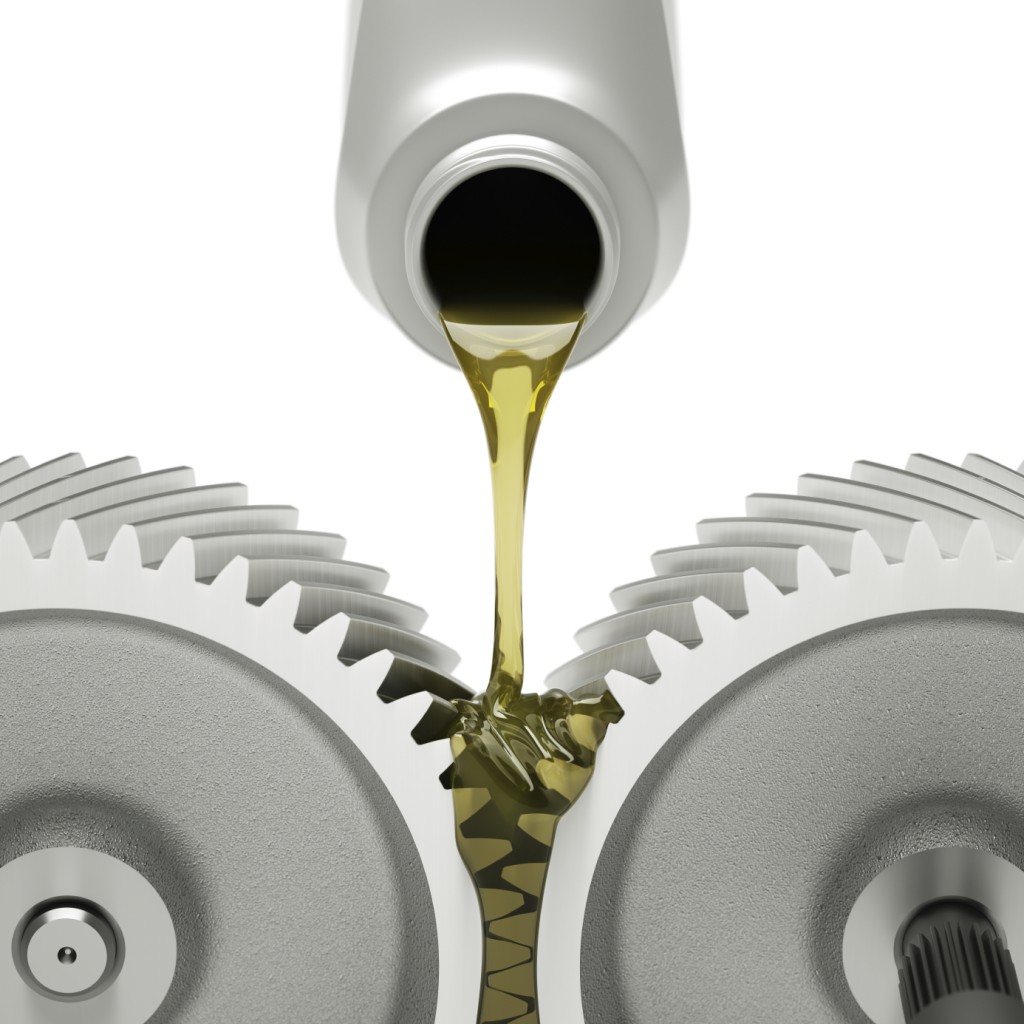
H1 Rated - Incidental food contact only - where there is possibility of incidental food contact, but the amount used should be the minimum required to accomplish the required technical effect on the equipment so treated.
H2 Rated - No food contact - for use in locations where there is no possibility of the lubricant or lubricated part contacting edible products.
3H Rated - Direct food contact such as release agents - these products are used on grills, loaf pans, cutters, boning benches, chopping boards, or other hard surfaces in contact with food products to prevent food from adhering during processing.
Some lubricants can be both H1 and 3H rated.
If you are unsure which lubricant to use, call our Lubricant Specialists at 800-826-8302 and provide information regarding your application and we will be happy to assist you.
September 15, 2026
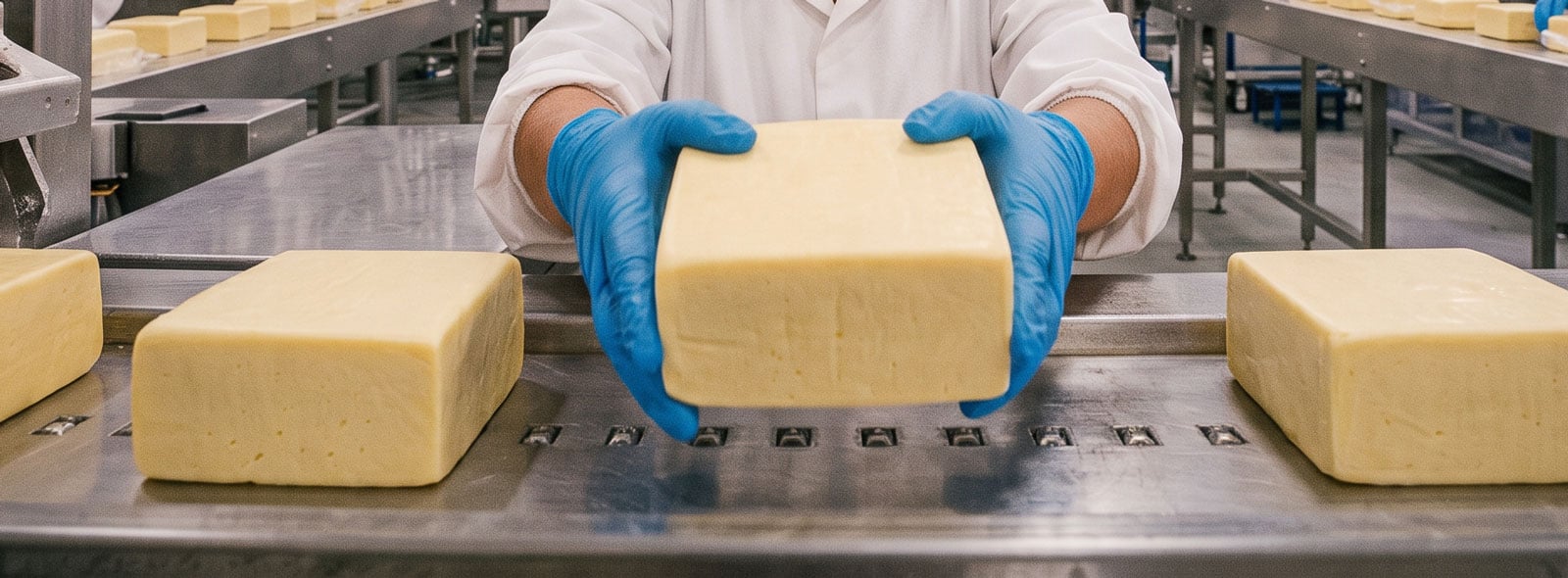
Food safety doesn't start on the factory floor. It starts deep in the supply chain. We know because our ...
September 3, 2026
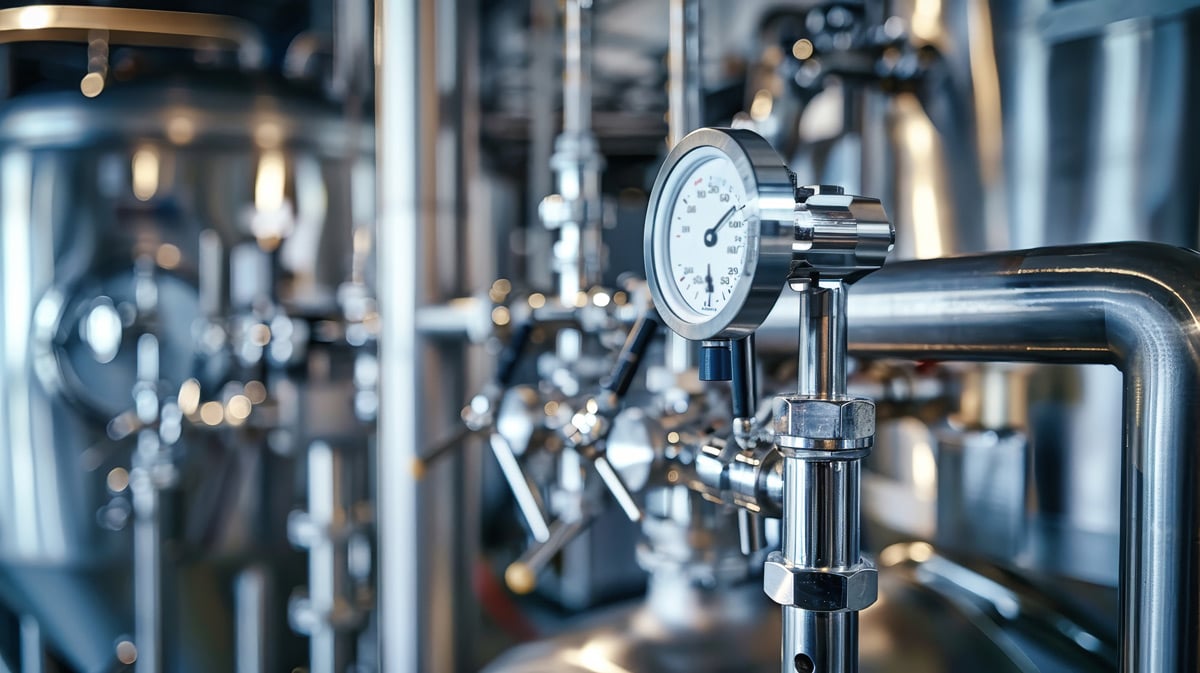
Hand safety isn't just about injury prevention; it's your first line of defense against cross-contaminat...
August 27, 2026
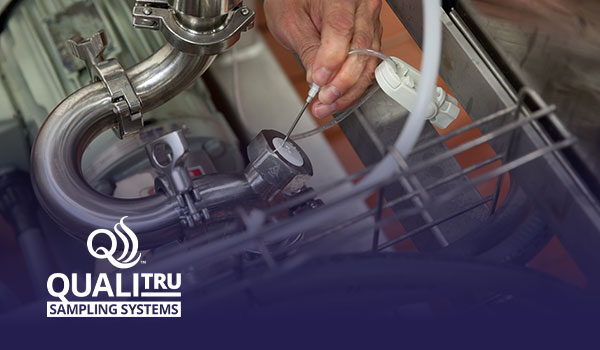
Out-of-calibration thermometers compromise product safety, jeopardize regulatory compliance, and lead to...
Each day, food manufacturing facilities work to eliminate loose-item risks and leverage detectable products to protect consumers and their brands from costly recalls. Metal-detectable experts from Nelson-Jameson and Detectamet take a deep dive into bridging the gap between traditional foreign material control and modern prevention.
Food Safety
Food Safety, Laboratory
Recognize and address possible hygiene and sanitation challenges based on the cleaning and material handling equipment available in your facility.
Through a discovery call, virtual, or on-site assessment, Vikan SQF Practitioner certified specialists will assist in confirming that your system and cleaning tool inventory aligns with your risk management objectives while pinpointing any missing tools and enhancing maintenance and usage practices. Evaluate whether your existing tools are utilized in the most effective manner, or determine if a more suitable tool exists for the task at hand. Ensure that your tools comply with all relevant standards and regulatory requirements. Site evaluations encompass a summary survey, an overview of the location, a color-coded factory layout plan, product suggestions, a recommended order form, and a proposal for a follow-up survey.
Food Safety, Sanitation, Cleaning Tools, Color Coding
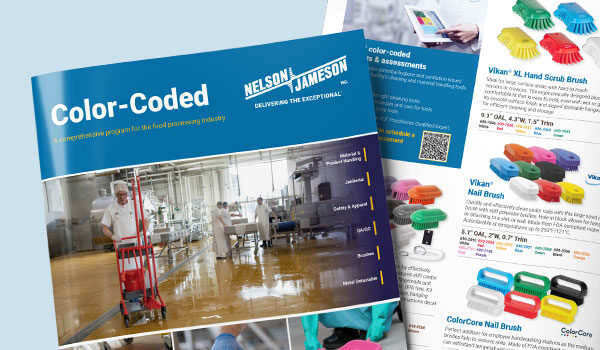
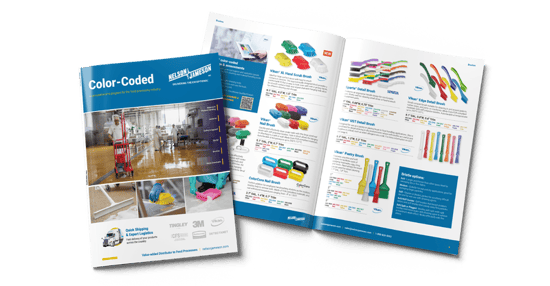
This is a comprehensive program for the food processing industry. Nelson-Jameson brings together the most extensive collection of color-coded products for material handling, product handling, janitorial, safety, apparel, QA/QC, and metal-detectable applications. With the right pieces, a color-coding system is a powerful tool in preventing cross-contamination of allergens and food-borne illnesses that can lead to sickness or expensive product recalls.

Food Safety, Sanitation, Cleaning Tools, Color Coding