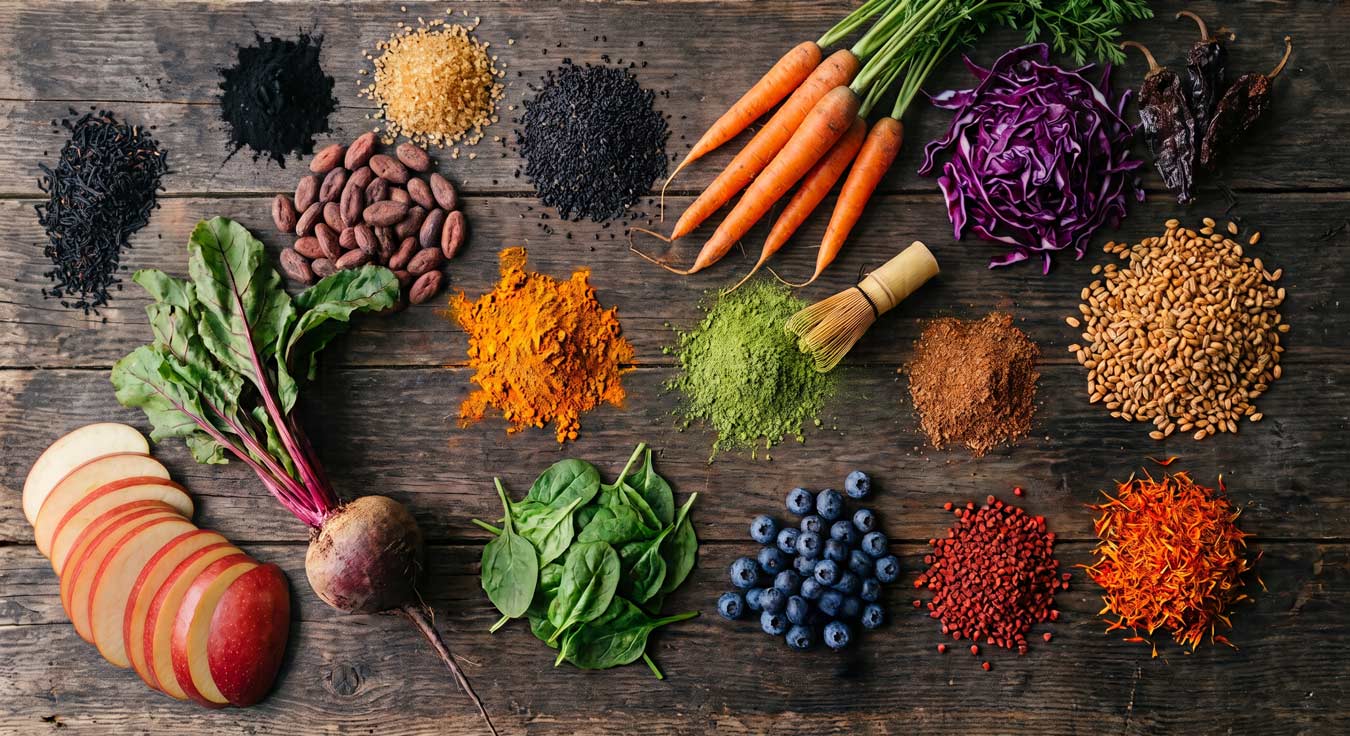

Switching from synthetic to natural colors in food manufacturing can help processors meet growing consumer demand for clean, recognizable ingredients while maintaining product visual vibrancy.
Nelson-Jameson can help evaluate your specific formulation, processing conditions, and shelf-life requirements to identify stable, consistent color solutions.

As synthetic dyes are phased out across the US food supply, moving to natural colors is not a 1-to-1 substitution. Staying ahead in this changing landscape means keeping track of the regulatory updates and industry timelines currently shaping the market. Check out The Natural Shift: Navigating the Transition from Synthetic to Natural Colors to learn practical tips on managing material changes and keeping everything looking its best.
The transition from synthetic dyes in some countries has evolved from required “label call-outs” to full-scale bans on ingredients like Red 3. The shift away from petroleum-based food dyes reached a tipping point with the FDA's proposed phase-out in April 2025. Moving faster than federal mandates, the International Dairy Foods Association announced that America’s dairy processors have fulfilled the Healthy Dairy in Schools Commitment, eliminating certified artificial colors from school milk, cheese, and yogurt products within the national lunch program.
As policy updates and industry commitments converge, waiting for deadlines to arrive can create unnecessary risks. Proactively formulating with natural alternatives gives brands the time needed to perfect color matching and secure supply chains.
Switching to natural colors gives consumers the clean-label ingredients they expect. But unlike synthetic dyes, natural pigments are dynamic; they shift their visual appearance depending on the food matrix in which they are used.
For food manufacturers, maintaining consistent color across a product's shelf life is critical to brand identity and customer satisfaction. Nelson-Jameson recommends focusing on the following parameters during formulation and processing:
pH Levels: Environmental pH can directly drive color shifts; precise pH control is essential for shade consistency.
Thermal Processing: Natural pigments have varying thermal tolerances. Factoring in processing temperatures helps you find the right pigment for your products, preventing unexpected fading or shifting down the line.
Packaging Choice: Some natural pigments are light-sensitive; opaque packaging or UV-protective packaging will help preserve color integrity throughout the product’s shelf life.
Storage Conditions: Natural ingredients react to their environment, making temperature control essential.
While controlling these variables can help maintain a consistent shade, applying them in practice will look different in every processing environment.
From shade matching to stability troubleshooting, learn how to work through your specific application needs on your own schedule.

Natural colors rely on living crops, meaning supply is inherently tied to weather and seasonality. As market demand grows, securing your volume requires accurate annual forecasting well in advance.
Product development often takes 12 to 18 months; starting benchtop trials early is the best way to safeguard your supply chain and protect your launch timeline.
A well-rounded natural color portfolio provides functional, plant-derived solutions across the visible spectrum. Learn more about common natural color solutions below:
Stream our on-demand webinar to learn how industry drivers, regulatory changes, and formulation realities impact the transition to natural colors, and what to keep in mind when evaluating shade stability and performance in your products.
Whatever your application, Nelson-Jameson delivers the quality ingredients and proven technical expertise needed for a smooth, confident transition to natural colors.


November 17, 2026
Pathogen defense plans traditionally concentrate capital and operational resources on direct product-con...

November 13, 2026
Managing wastewater in food, dairy, and beverage processing is a complex challenge. High biological oxyg...

October 29, 2026
Choosing the right starter culture system depends on balancing your food manufacturing facility's labor,...