
Cold Chain Paradox: Why Listeria Still Rules the Risk Profile in 2026

June 29, 2026
Kelsey Kotecki

Despite major technological and scientific advancements in the food manufacturing industry, Listeria outbreaks and costly product recalls persevere. Surviving in today’s complex manufacturing landscape requires understanding exactly why this pathogen continues to rule our risk profiles and how we must adapt to stop it.

The "Cold Chain" Paradox and Hidden Growth Niches

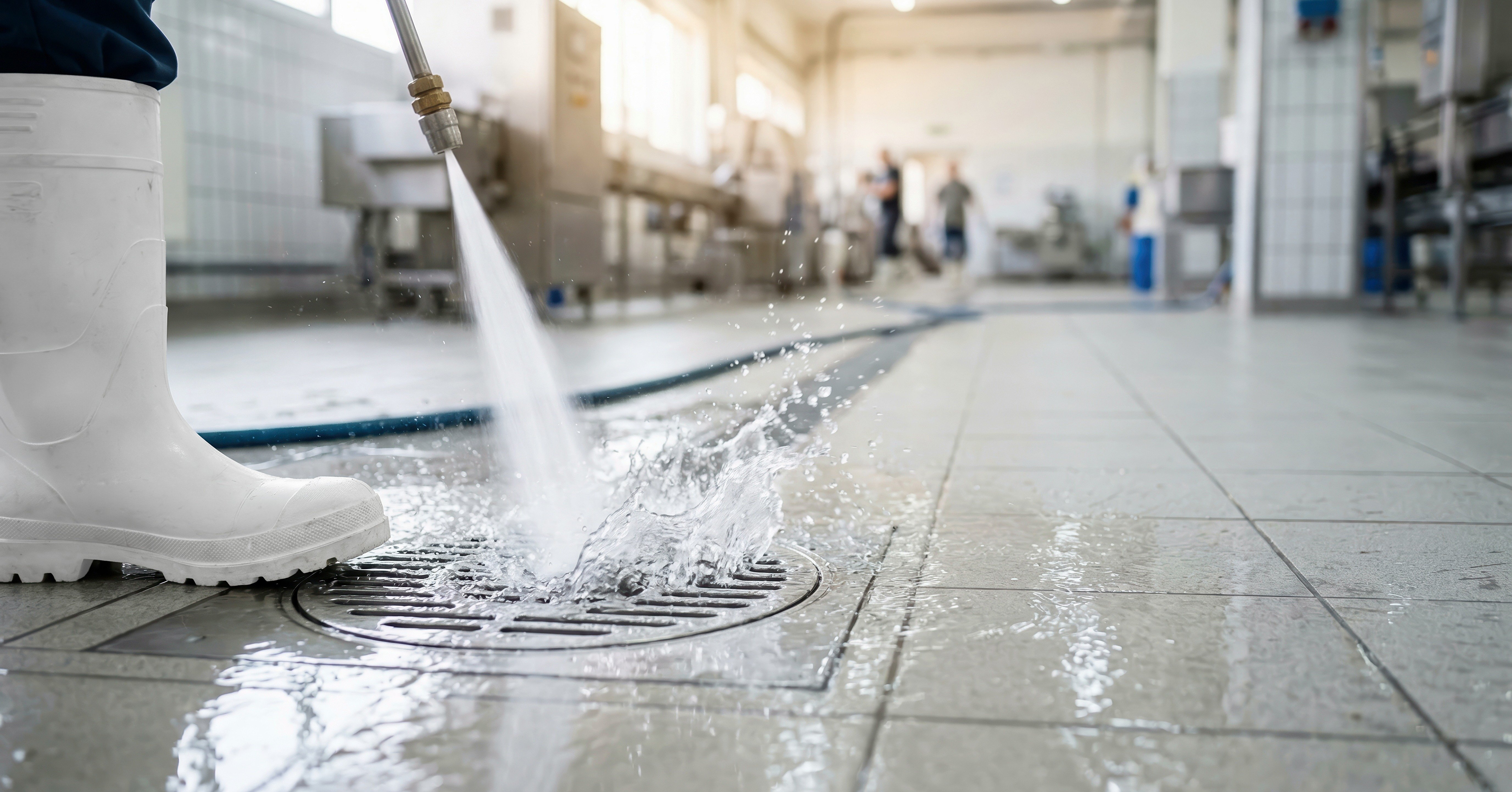
We rely heavily on the "cold chain" to keep our food products safe from most spoilage organisms and pathogens. However, Listeria presents a unique biological challenge known as the "cold chain paradox". While chilling slows the growth of other bacteria, Listeria monocytogenes thrives in cold, dark, and damp processing environments.

It doesn't just sit on the surface; it finds places to hide. Listeria buries itself in protective biofilms within growth niches that routine sanitation often misses. These harborage sites include microscopic cracks in rubber floor mats or the interiors of hollow conveyor rollers. For instance, a facility may routinely sanitize floor mats, but if the sanitizer cannot penetrate the micro-cracks, Listeria survives; once a worker steps on the mat, the pressure squeezes the bacteria back out to re-contaminate the environment.

Sampling to Validate and Verify

Nelson-Jameson, Neogen, and Dr. Martin Wiedmann of Cornell University dive into what it takes to upgrade your facility's Listeria control program.
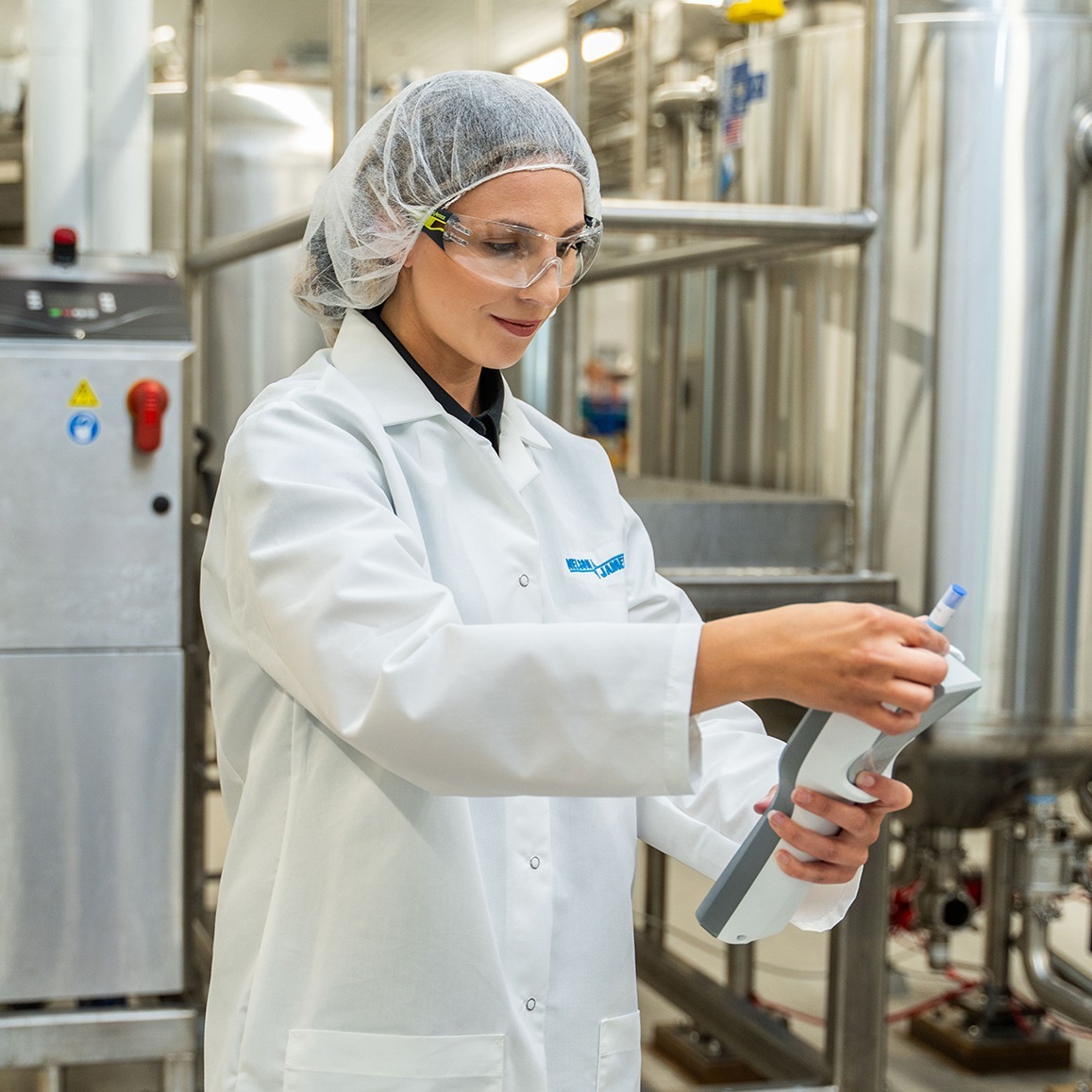
Jordyn-Warosh-inserting-test-swab-into-the-Neogen-LM1-Luminometer

The Root of the Problem: Pre-Requisite Program Failures

Because of the danger it poses to consumers, Listeria is a major public health threat and can devastate brands. Yet, when outbreaks occur, they rarely stem from a failure in a facility's critical control points (CCPs). Instead, these issues are almost always tracked back to failures in pre-requisite programs, such as sanitation protocols, hygienic zoning, or sanitary equipment design. If a facility relies on verifying a bad sanitation procedure that was never properly validated to kill Listeria, the pathogen can persist in the plant for months or even years.

Regulatory and Industry Drivers in 2026

Regulators are actively responding to these threats and the expectations have never been higher. Regulatory agencies no longer view Environmental Monitoring Programs (EMPs) as mere suggestions; they are mandatory verification tools required to prove that your sanitation and preventive controls are actually working.

Adding to this pressure is the modern multi-ingredient challenge. Facilities today frequently handle complex supply chains, shared production lines, and diverse product profiles all under one roof. This massively increases the risk of cross-contamination across hygienic zones, forcing quality teams to ensure their zoning and environmental monitoring programs are flawless.

Moving from Reactive to Proactive

To successfully manage Listeria in 2026, manufacturers must shift from a reactive mindset of crisis management to a proactive approach of predictive pathogen control. We can no longer just swab flat surfaces, cross our fingers, and hope we don't hit a positive result.

Once we recognize that our pre-requisite programs are the true front line of defense, how do we actually prove they are working?


Watch the On-Demand Webinar

Join me, Dr. Martin Wiedmann from Cornell University, and Ana Lazano of Neogen in our latest on-demand video session: Sampling to Validate and Verify Listeria Control Program in 2026. Discover how industry-leading facilities are addressing these prerequisite failures by moving from reactive swabbing to the science of "Seek and Destroy."

Kelsey Kotecki

Food Safety & Quality Specialist

Kelsey is a Food Safety & Quality Specialist, guiding customers in lab operations, equipment selection, testing, and more.

Recent posts

Food Safety

June 29, 2026

Advancing Sustainability in Dairy Production: The Role of FT-NIR Technology

For dairy manufacturers, balancing strict quality control with ambitious sustainability goals can feel l...

Food Safety

June 29, 2026

Accelerating "Destroy": The Tools and Culture of Predictive Process Control

If you have been following our series on Listeria control, you're likely aware of the value in having a ...

Food Safety

June 29, 2026

Validation vs Verification: The Science of "Seek & Destroy"

When facilities attempt to tackle Listeria contamination, they often rely on Environmental Monitoring Pr...

Related resources

Training
Aseptic Sampling Collection Training

Aseptic Sampling Collection Training

QualiTru Sampling Systems provides a training program focused on aseptic sampling, designed to teach individuals how to effectively collect samples using QualiTru equipment. The program emphasizes the significance of aseptic sampling and covers essential topics, including proper usage of QualiTru sampling equipment, techniques for collecting representative samples, methods to prevent contamination, and troubleshooting common issues. QualiTru offers various training options, such as on-site training, webinars, and online resources. Their website features a library of training videos and materials covering a wide range of topics related to aseptic sampling. Additionally, they provide customized training programs tailored to meet your specific needs.

Food Safety, Laboratory

Assessment
Training
Color-Coded Training & Site Assessment

Color-Coded Training & Site Assessment

Recognize and address possible hygiene and sanitation challenges based on the cleaning and material handling equipment available in your facility.

Through a discovery call, virtual, or on-site assessment, Vikan SQF Practitioner certified specialists will assist in confirming that your system and cleaning tool inventory aligns with your risk management objectives while pinpointing any missing tools and enhancing maintenance and usage practices. Evaluate whether your existing tools are utilized in the most effective manner, or determine if a more suitable tool exists for the task at hand. Ensure that your tools comply with all relevant standards and regulatory requirements. Site evaluations encompass a summary survey, an overview of the location, a color-coded factory layout plan, product suggestions, a recommended order form, and a proposal for a follow-up survey.


Food Safety, Sanitation, Cleaning Tools, Color Coding
Program Catalog
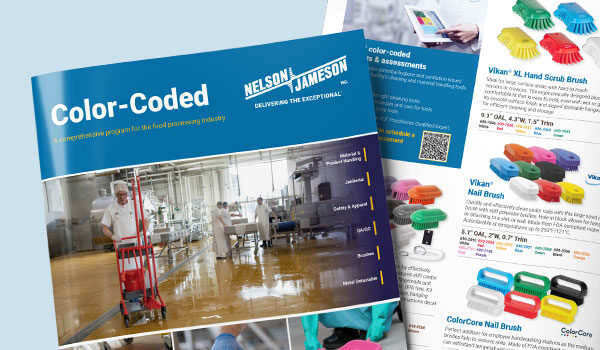
Color-coded Program Catalog

Color-coded Program Catalog

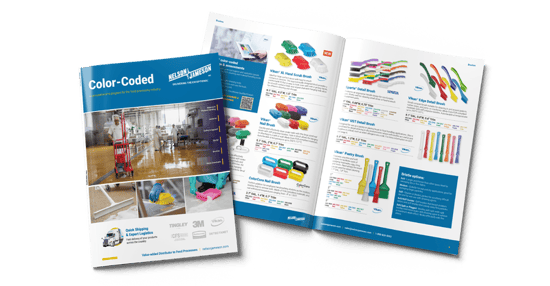
This is a comprehensive program for the food processing industry. Nelson-Jameson brings together the most extensive collection of color-coded products for material handling, product handling, janitorial, safety, apparel, QA/QC, and metal-detectable applications. With the right pieces, a color-coding system is a powerful tool in preventing cross-contamination of allergens and food-borne illnesses that can lead to sickness or expensive product recalls.

Color-Coded-Catalog_Open-Magazine-Mockup-1-1

Food Safety, Sanitation, Cleaning Tools, Color Coding

Workshop
Neogen® Petrifilm® Certification Workshop

Neogen® Petrifilm® Certification Workshop

Get Petrifilm Certified through our complimentary immersive workshop for managers, personnel, and teams. The workshop offers practical knowledge through hands-on training and networking with industry professionals and experts. Attendees gain an in-depth understanding of Petrifilm technology and valuable insights into effective environmental monitoring practices.  Participants leave with a certification and a wealth of resources that can significantly contribute to elevating their plant's quality control standards.

Food Safety, Sanitation, Laboratory