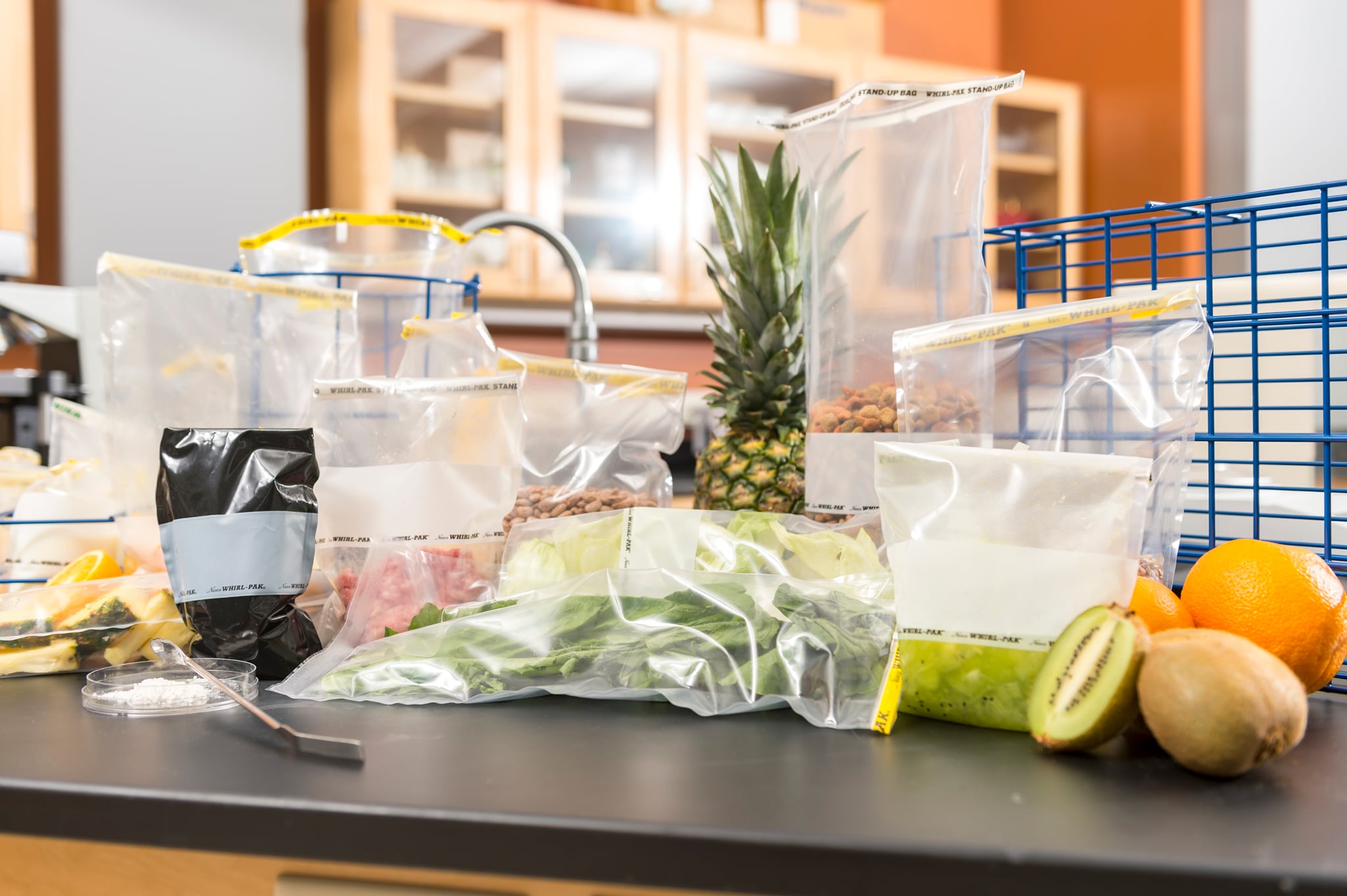

Whirl-Pak offers a variety of solutions designed to simplify your testing and boost lab sampling efficiency. However, adopting new tools brings questions. We’ve created a Q&A breakdown to help you integrate and use these products as smoothly as possible.
Request an audit today and start optimizing your sampling workflows.
Whichever is easiest for you! You can quickly place your order online or contact our team directly. Our experts are available to help you choose the right sizes, confirm stock, or set up a custom order.
Have more questions about Whirl-Pak bags or optimizing your sampling process? Reach out to our experts today for personalized guidance.
Whirl-Pak’s bags are crafted from virgin low-density polyethylene.
We supply Whirl-Pak bags that undergo medical-grade Ethylene Oxide sterilization to ensure product integrity. When audit season arrives, simply enter your lot number on Whirl-Pak’s website to download your sterility documentation—making compliance one less thing to worry about.
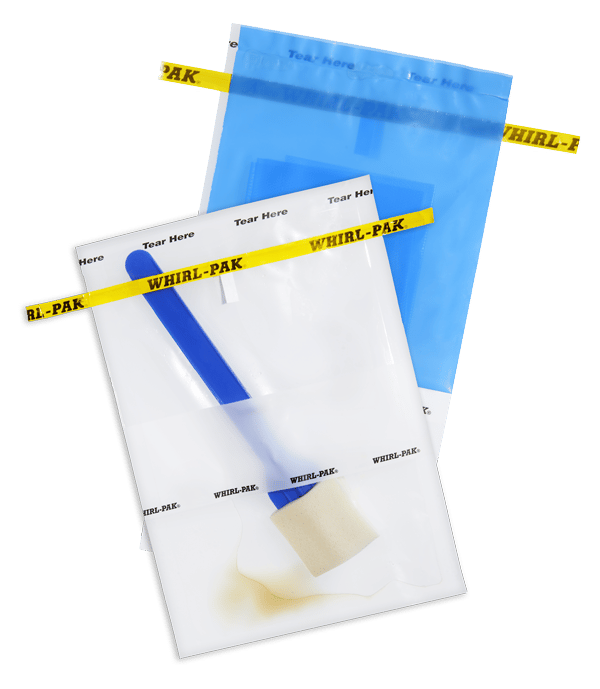
Sharp wire ends cause punctured bags and torn gloves. Whirl-Pak solves this with a patented process that covers wire tabs in protective tape, and our team is ready to help you transition your facility to these safer, leak-proof options.
The Problem: Traditional tube film folds when sealed, leaving tiny vulnerabilities at the corners.
The Fix: Nasco Sampling discovered that a continuous, single-plane seal on flat film creates a stronger bond and prevents corner leaks.
Talk to our specialists to find the right leak-proof bags for your facility.
Standard sterilized bags have a five-year shelf life, and hydrated sponge bags have a two-year shelf life. You can view the full specs for your specific bags on our website or contact our specialists.
Whirl-Pak bags use double protection—a protective liner bag inside the box shields them during transit, and micro-perforations keep individual bags sterile even when left out of the carton. Connect with our team if you need help finding the right sizes or quantities for your testing volume.
Thio-Bags use a sodium thiosulfate tablet to neutralize chlorine, allowing coliforms and E.coli to be detected during water testing. They have a five-year shelf life but should be stored in dry, ambient conditions; humid conditions cause the tablets to break down, resulting in the bag being discarded. Talk to our team to restock your water sampling supplies.
Whirl-Pak bags are made with an extra-thick film and are specifically engineered to withstand blender paddles without tearing:
Standard Bags
Write-On Bags
Filter Bags
Talk to our specialists to match the right heavy-duty bag to your lab's blending equipment.
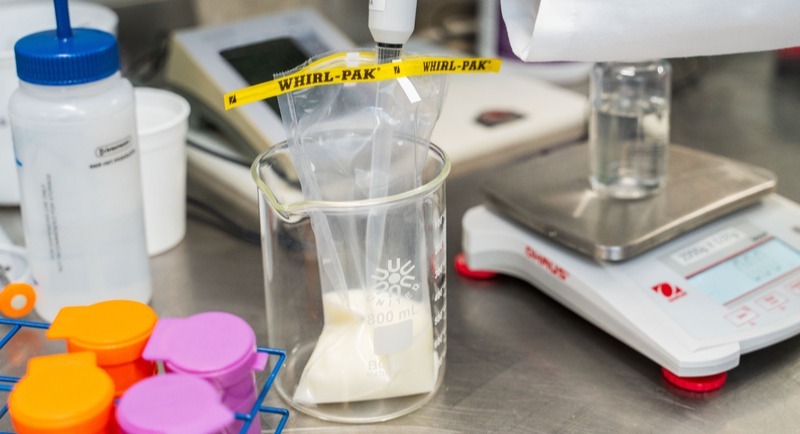
Yes, the materials used in all Whirl-Pak bags meet FDA regulations for direct food contact.
Yes. Whirl-Pak bags are manufactured in a facility certified to ISO 9001.
Whirl-Pak bags are engineered with a tear-strip design to maintain internal sterility until the moment you break the perforated seal. This protection is built in through:
Double-Bagged Protection: A sealed box liner shields the bags from dust and contaminants during transit.
Micro-Perforations: The opening tear-strip is so tiny that contamination can't easily slip through.
Whirl-Pak Stand-Up bags offer a smart, cost-effective alternative to traditional sample jars. By standing upright without a rack, they enable technicians to maintain a hands-free workflow, maximizing efficiency in both the lab and the field.
Are you looking for a solution that provides a secure, contaminant-free, flexible container to ensure clean pipetting for dependable results?
We have the perfect solution. Whirl-Pak Filter Sterilized Bags are the perfect solution. With a finely perforated middle layer, these flexible, contaminant-free bags outperform standard sampling containers at every step. Enjoy seamless separation for clean pipetting—completely eliminating blockages and solid debris for perfectly even plate distribution.
Best of all, you can collect, blend, and incubate your samples in a single container, saving your lab valuable time and resources.
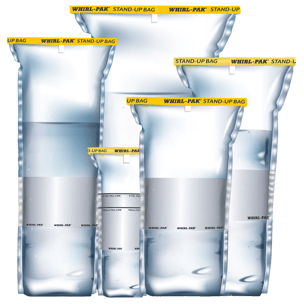
7-oz: 3” x 7.25” (9.5 x 18 cm)
24-oz: 6” x 9” (15 x 23 cm)
No Wire 55-oz: (No Wire) 7.5” x 12” (19 x 30 cm)
Round Wire 55-oz: 7.5” x 12” (19 x 30 cm)
69-oz: 7.5” x 15” (19 x 38 cm)
92-oz: 10” x 15” (25.4 x 38 cm)
138-oz: 15” x 15” (38 x 38 cm)
184-oz: 15” x 20” (38 x 50 cm)
Whirl-Pak bags are manufactured pyrogen-free and undergo terminal Ethylene Oxide sterilization verified by a Parametric Release Process, ensuring a completely sterile barrier for your samples.
Ultimate UV protection. These solid black bags completely block light transmission, preventing the degradation of light-sensitive specimens—such as liquid vitamins, pharmaceutical compounds, milk proteins, and environmental water samples.
Whirl-Pak bags are entirely non-fluorescent, ensuring they won't interfere with your optical or UV testing. Choosing a sterile, single-use bag eliminates the risk of background fluorescence, which is often caused by poorly washed laboratory glassware.
How should Whirl-Pak bags be stored to maximize their shelf life?Protect your sampling inventory by keeping Whirl-Pak bags in ambient storage between -32°F (-0°C) and 90°F (32°C). Extreme temperatures can compromise the sterile barrier.
Don't let hidden lab inefficiencies slow down your testing. Our team can help you streamline your process through a virtual consultation or an on-site walkthrough—uncovering operational gaps and providing a clear, customized savings roadmap.

September 28, 2026
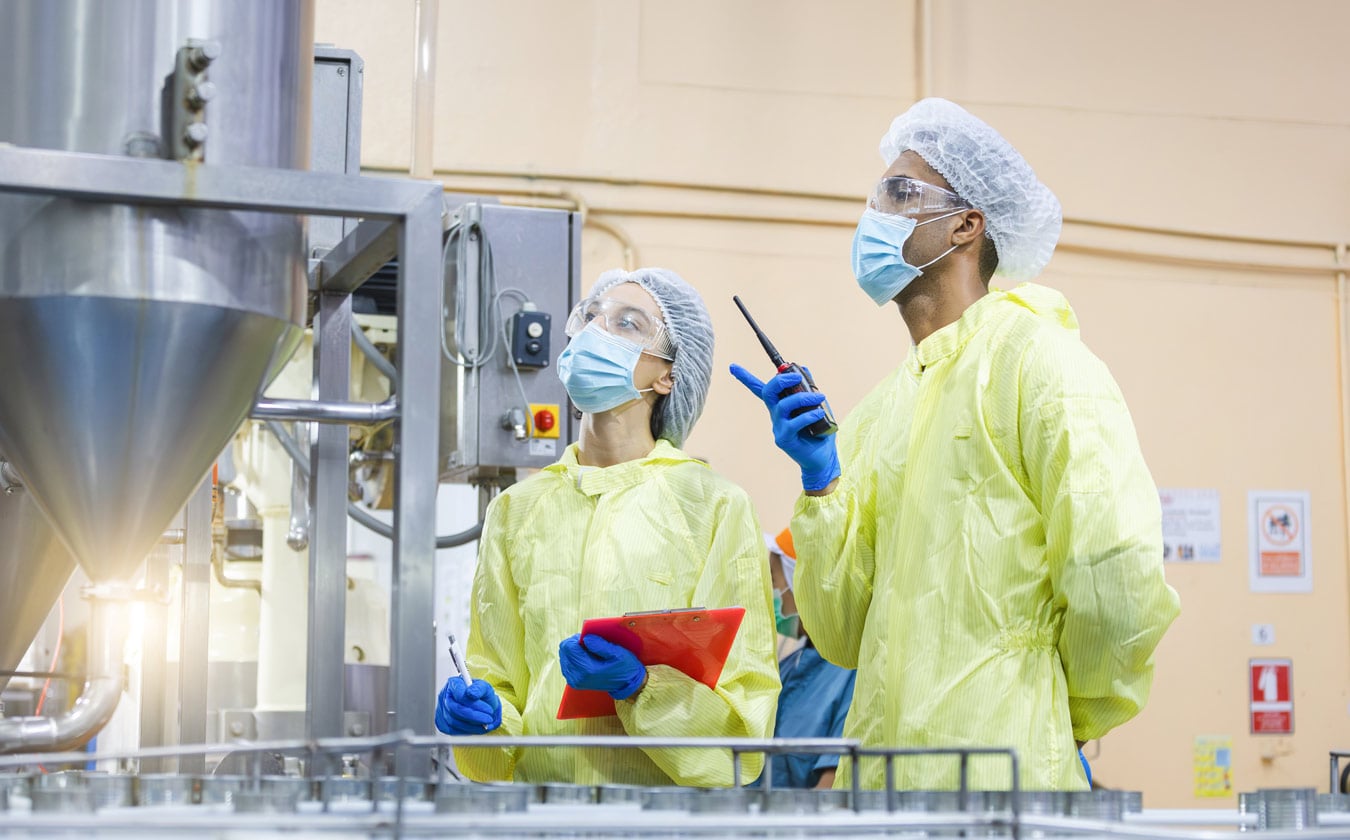
Uncontained hair remains one of the most frequent physical contaminants in food processing environments,...
September 23, 2026
Keeping your facility's Clean-in-Place (CIP) operations running smoothly is critical — especially when o...
September 23, 2026
For years, the food manufacturing and dairy processing industries have relied on "reactive control". In ...
Food Safety, Laboratory
Food Safety, Sanitation, Cleaning Tools, Color Coding
Food Safety, Sanitation, Cleaning Tools, Color Coding