
A Guide to Foreign Material Control: Eliminating Loose Item Hazards

March 23, 2026
Tiffini Pieper

Food processing facilities have typically relied heavily on end-of-line machinery to manage contamination. While metal detectors and now X-ray inspection systems act as a goalie, world-class food safety programs have shifted their primary focus to "prevention by design".

Today, preemptively managing the "loose item" ecosystem is the priority. Ensuring that non-food items — from a supervisor's metal detectable pen to a line worker's earplugs—are easily found is the most effective way to prevent non-food items from entering your production floor in the first place.

Metal Detectable Consultation

Let us help you begin or improve the food safety strategy and metal detectable products in your food manufacturing facility.
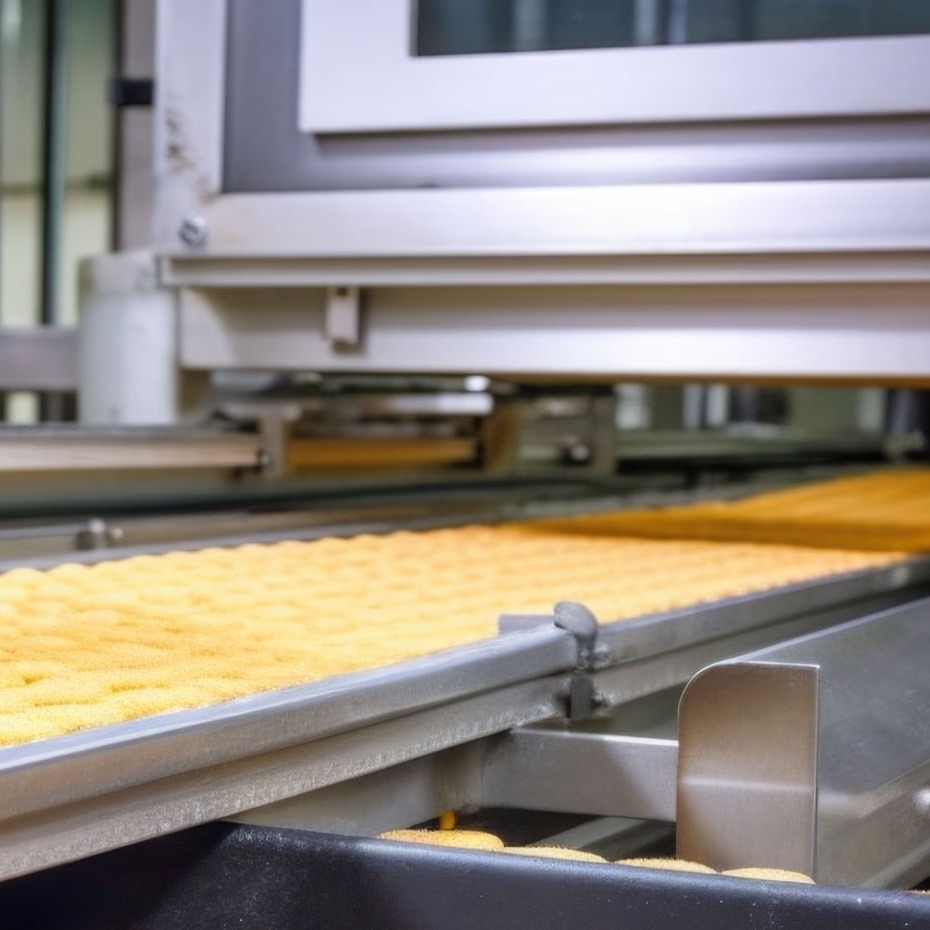
metal detectable food processing conyeor

Rethinking Non-Food Inventory

Supplies previously treated as everyday items are now highly engineered components of a comprehensive food safety program.

  • Shatterproof Innovations: Brittle plastics are a thing of the past. Modern detectable pens are constructed from flexible, specialized polymers designed specifically to resist fragmentation if they are crushed.
  • Climate-Adaptive Ink: You no longer need to sacrifice safety for legibility. Facilities are standardizing on specialized "Cryo ink" that allows continuous writing in cold storage environments down to -4°F (-20°C), alongside refills that resist smearing in damp washdown zones.
  • Securing Accessories: The contamination risk extends to everyday administrative tools. Peeling adhesive labels have been eliminated by transitioning to laser-etched stainless steel or detectable polymer clipboards. Furthermore, historically high-risk items like cable ties now integrate metallic content and stainless steel locking mechanisms, guaranteeing detection if a piece is accidentally snipped.

The "Dual-Safety" Standard for PPE

In 2026, Personal Protective Equipment must fulfill a dual mandate: safeguarding the employee while protecting the product. A dropped earplug is no longer simply a replacement cost; it is a critical contamination event.

  • Detectable Earplugs: Current best practices utilize two specific detection technologies. "Embedded" plugs enclose a stainless steel ball bearing, while "impregnated" models mix fine metal particles throughout the material. Both designs ensure immediate equipment rejection if they enter the product stream.
  • Multi-Layered Visibility: The food manufacturing industry has standardized on high-contrast blue as the primary visual indicator for non-food items. By combining this blue visibility with metal-detectable substrates, modern bandages offer a multi-layered defense to catch what visual inspections alone might miss.

Understanding Detectability Science

For procurement and QA teams, understanding the mechanics behind detection is just as critical as the products themselves.

  • Impregnated Materials: Used in supplies like vinyl gloves and scrapers, this process blends a metallic pigment directly into the plastic during manufacturing. Because the entire material is detectable, even minute slivers can be flagged by machinery.
  • Embedded Components: Common in items like earplugs, this method relies on a specific, enclosed metal piece (like a ball bearing) to provide the signal to your detectors.

The Calibration Imperative for System Validation

Investing in metal detectable PPE and tools is only half the strategy. Your contamination defense is only as strong as your validation process.

If your detection equipment is not actively calibrated to identify the specific polymers used in your facility, your safety program is merely theoretical. Industry-leading plants maintain strict validation schedules using certified test rods, balls, and whips. Available in Ferrous, Non-Ferrous, and Stainless Steel, these tools verify that your machine settings are highly sensitive to the specific detectable products operating on your floor.

Food Safety Audit: Analyze Your Ecosystem

A "loose item" is a fully manageable risk in 2026. By conducting a thorough food safety audit of your non-food inventory and upgrading to durable, detectable materials, you transition from basic detection to true prevention.


Improve Your Food Safety

Start your Metal Detectable Consultation today with Nelson-Jameson to review your facility’s needs, from audit-ready calibration tools to the latest metal detectable products!

Tiffini Pieper

Product Manager of MRO Products

Recent posts

Sanitation & Janitorial

March 19, 2026

Introducing the NEW Vikan Microfiber Socket Mop

The innovative new Vikan Microfiber Socket Mop has arrived, delivering the high-performance cleaning pow...

Ingredients

March 18, 2026

Natural Solutions for Clean-Label Dairy Innovation

As the dairy industry prepares for significant regulatory shifts, transitioning from synthetic to natura...

Sanitation & Janitorial

March 16, 2026

Elevate Hygiene and Prevent Cross-Contamination with Color-Coded Bucket Drying Racks

Maintaining strict hygiene standards while managing daily operations is a 365-day-a-year challenge for f...

Related resources

Assessment
Training
Color-Coded Training & Site Assessment

Color-Coded Training & Site Assessment

Recognize and address possible hygiene and sanitation challenges based on the cleaning and material handling equipment available in your facility.

Through a discovery call, virtual, or on-site assessment, Vikan SQF Practitioner certified specialists will assist in confirming that your system and cleaning tool inventory aligns with your risk management objectives while pinpointing any missing tools and enhancing maintenance and usage practices. Evaluate whether your existing tools are utilized in the most effective manner, or determine if a more suitable tool exists for the task at hand. Ensure that your tools comply with all relevant standards and regulatory requirements. Site evaluations encompass a summary survey, an overview of the location, a color-coded factory layout plan, product suggestions, a recommended order form, and a proposal for a follow-up survey.


Food Safety, Sanitation, Cleaning Tools, Color Coding
Program Catalog
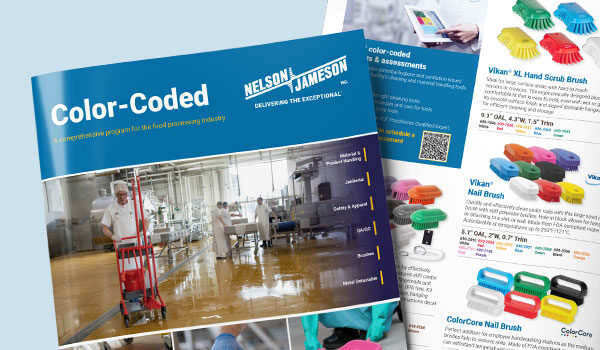
Color-coded Program Catalog

Color-coded Program Catalog

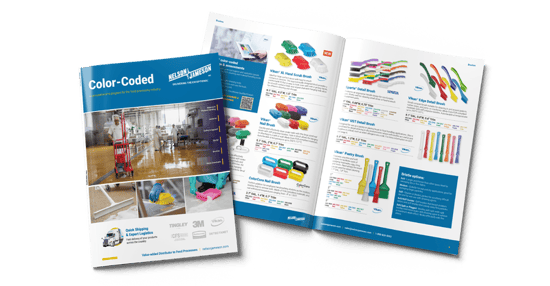
This is a comprehensive program for the food processing industry. Nelson-Jameson brings together the most extensive collection of color-coded products for material handling, product handling, janitorial, safety, apparel, QA/QC, and metal-detectable applications. With the right pieces, a color-coding system is a powerful tool in preventing cross-contamination of allergens and food-borne illnesses that can lead to sickness or expensive product recalls.

Color-Coded-Catalog_Open-Magazine-Mockup-1-1

Food Safety, Sanitation, Cleaning Tools, Color Coding

Webinar
Protecting the Food Supply: How to Harness Industry Resources for Food Safety Excellence

Protecting the Food Supply: How to Harness Industry Resources for Food Safety Excellence

Food safety is crucial in protecting consumers, and understanding how to ensure your program scales alongside your business is crucial in maintaining success. A program isn’t merely a matter of compliance; food safety is an ongoing initiative that must meet current demands and proactively stay ahead of emerging challenges.

Food Safety

Workshop
Neogen® Petrifilm® Certification Workshop

Neogen® Petrifilm® Certification Workshop

Get Petrifilm Certified through our complimentary immersive workshop for managers, personnel, and teams. The workshop offers practical knowledge through hands-on training and networking with industry professionals and experts. Attendees gain an in-depth understanding of Petrifilm technology and valuable insights into effective environmental monitoring practices.  Participants leave with a certification and a wealth of resources that can significantly contribute to elevating their plant's quality control standards.

Food Safety, Sanitation, Laboratory