
For dairy manufacturers, balancing strict quality control with ambitious sustainability goals can feel like a constant challenge. Traditional analytical testing methods are often resource-intensive, requiring hazardous chemicals, significant energy, and meticulous preparation.
To safeguard your brand and the environment, laboratories need innovative tools that streamline workflows while establishing a reliable, eco-friendly approach to quality assurance.
Efficiency and consistency are non-negotiables in laboratory testing to ensure accurate results in food manufacturing facilities. However, standard testing methods can create bottlenecks and generate unnecessary chemical waste. Relying on outdated or multiple single-parameter instruments can also delay real-time decision-making, leading to potential out-of-spec batches and wasted product, which negatively impacts your facility's bottom line and environmental footprint.
Leverage the right technology to tackle quality control challenges.
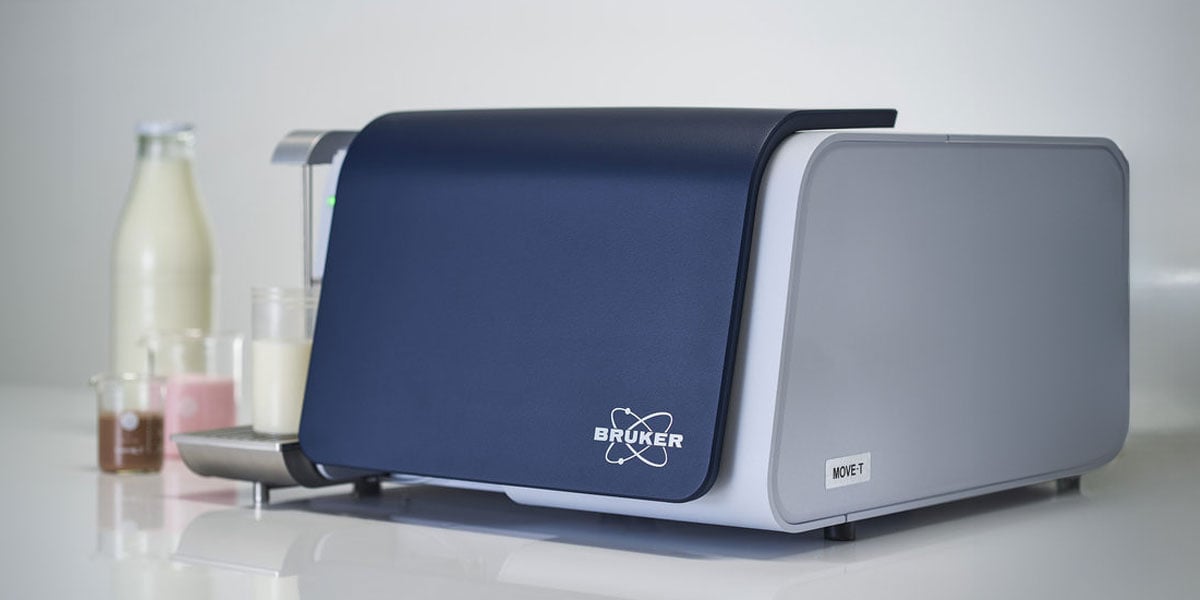
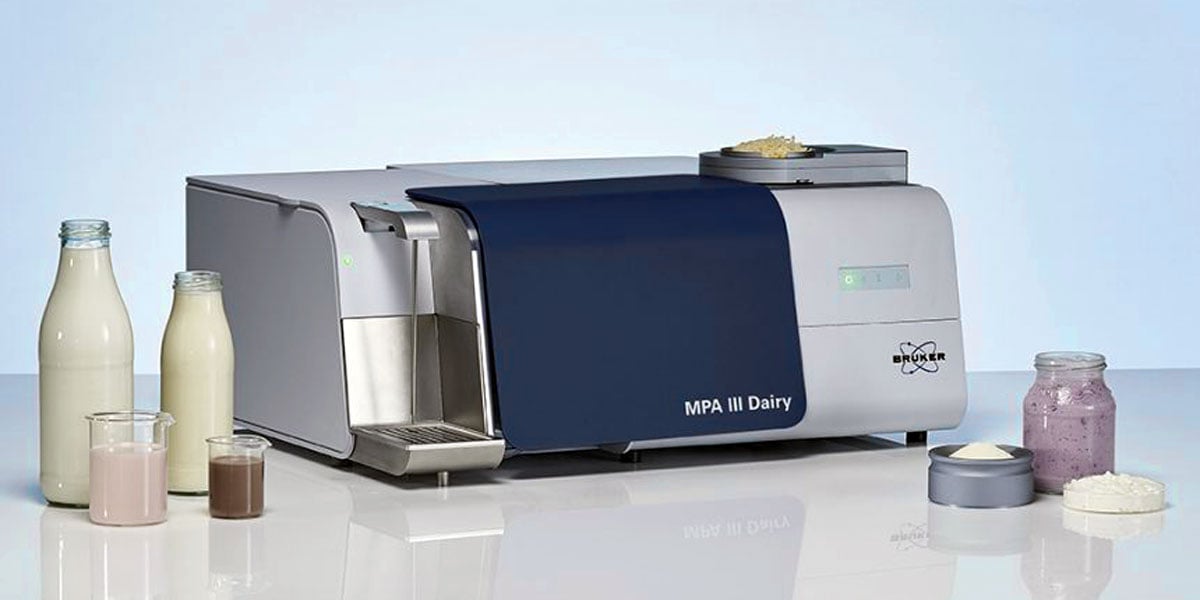
To meet these rigorous demands and maintain pristine testing conditions, QA/QC teams should utilize specialized FT-NIR technology. Partnering with Bruker, Nelson-Jameson offers advanced instruments that deliver rapid, multi-parameter testing to support standardized quality control from raw milk intake to final product verification.
Integrating Bruker FT-NIR analyzers into your laboratory offers several distinct advantages:
Investing in the right laboratory equipment reduces waste and promotes responsible resource management. By equipping your lab with Bruker FT-NIR solutions, you empower your QA/QC team to maintain the highest standards of accuracy while advancing your facility's sustainability goals. Let Nelson-Jameson's technical experts help you select the exact instrument to formulate and test with unparalleled precision.

September 23, 2026
Keeping your facility's Clean-in-Place (CIP) operations running smoothly is critical — especially when o...
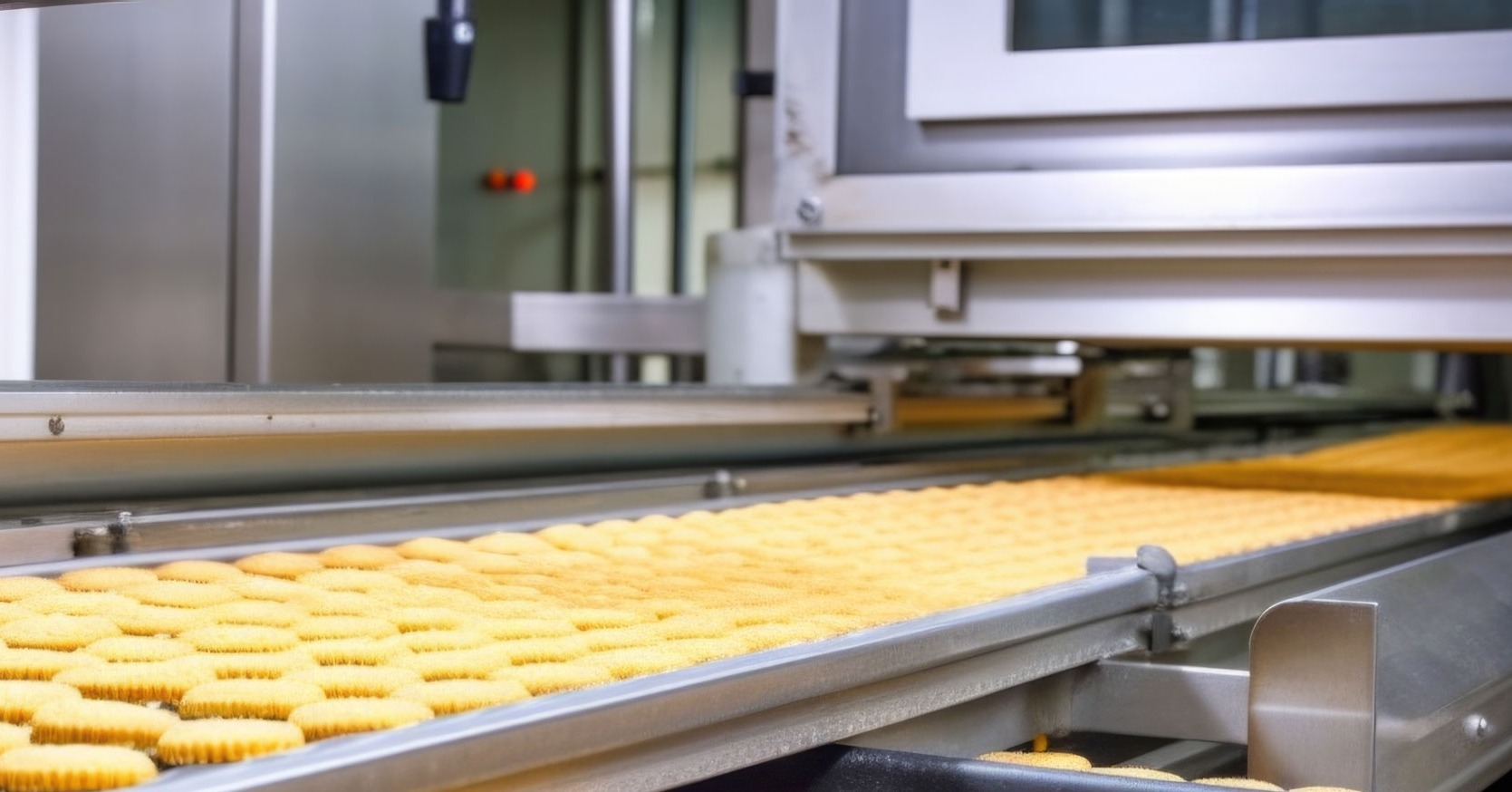
September 23, 2026
For years, the food manufacturing and dairy processing industries have relied on "reactive control". In ...
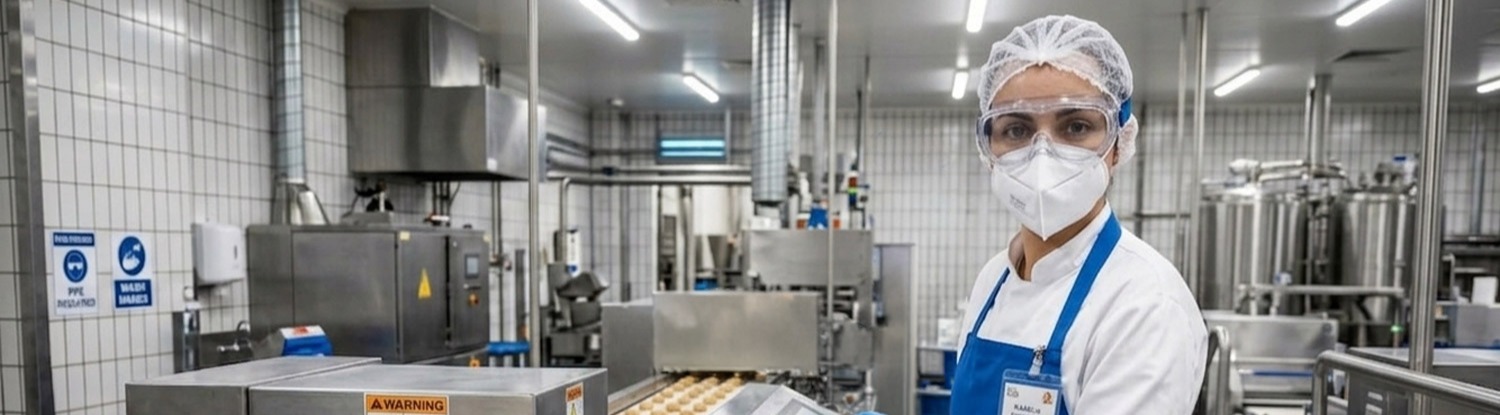
September 17, 2026
When workers remove safety glasses mid-shift due to fogged lenses or poor fit, they create immediate exp...

Food Safety, Laboratory

Food Safety, Sanitation, Cleaning Tools, Color Coding
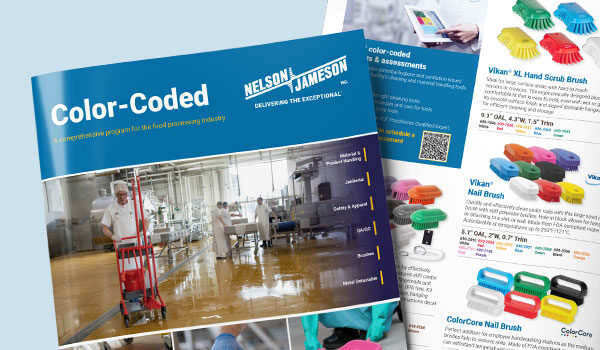
Food Safety, Sanitation, Cleaning Tools, Color Coding