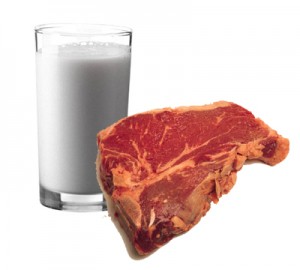
Decreasing the incidence of antibiotic residues in dairy and meat products is a topic that has garnered a good deal of attention for decades now. It is an issue that has also seen some promising resolution. Levels in sampling nationally have decreased. For instance, according to the National Milk Drug Residue Data Base, “0.044% of all samples were positive for a drug residue, down from 0.101% in 1995”. So, as Pamela Ruegg of the University of Wisconsin asks, “So, why the worry about residues?”
Ruegg points out that further attention needs to be paid to the topic because of potential serious health effects that can be associated with residues. Allergies and concerns about drug-resistant bacteria are primary concerns that have entered into the arena of the debate along with other health effects. Ruegg also discusses that due to the overwhelmingly common usage of antibiotics in farm operations due to conditions like mastitis that effect cows on dairy and beef farms.
For producers, a grave concern comes in the form of possible profits being poured away down the drain. Producers are most commonly the ones that take the hit when tainted milk and meat is found. Such a multitude of effects brings together various populations such as farmers, government agencies, processors, medical professionals, and customers. Much of the blame for the issues comes down to recording mistakes, identification mistakes, communication issues, and a lack/absence of proper training.
Nelson-Jameson itself offers a tool to assist in securing some piece of mind in the process of properly assuring your product is safe and ready for the market. Our Delvotest® and PremiTests detect a wide array the drugs that can compromise your product.
October 23, 2026
Food manufacturing washdown environments put heavy demands on sanitation equipment. Unlike disposable cl...
October 21, 2026
Line contamination and product recalls carry massive financial and reputational risks. Aseptic sampling ...
October 21, 2026
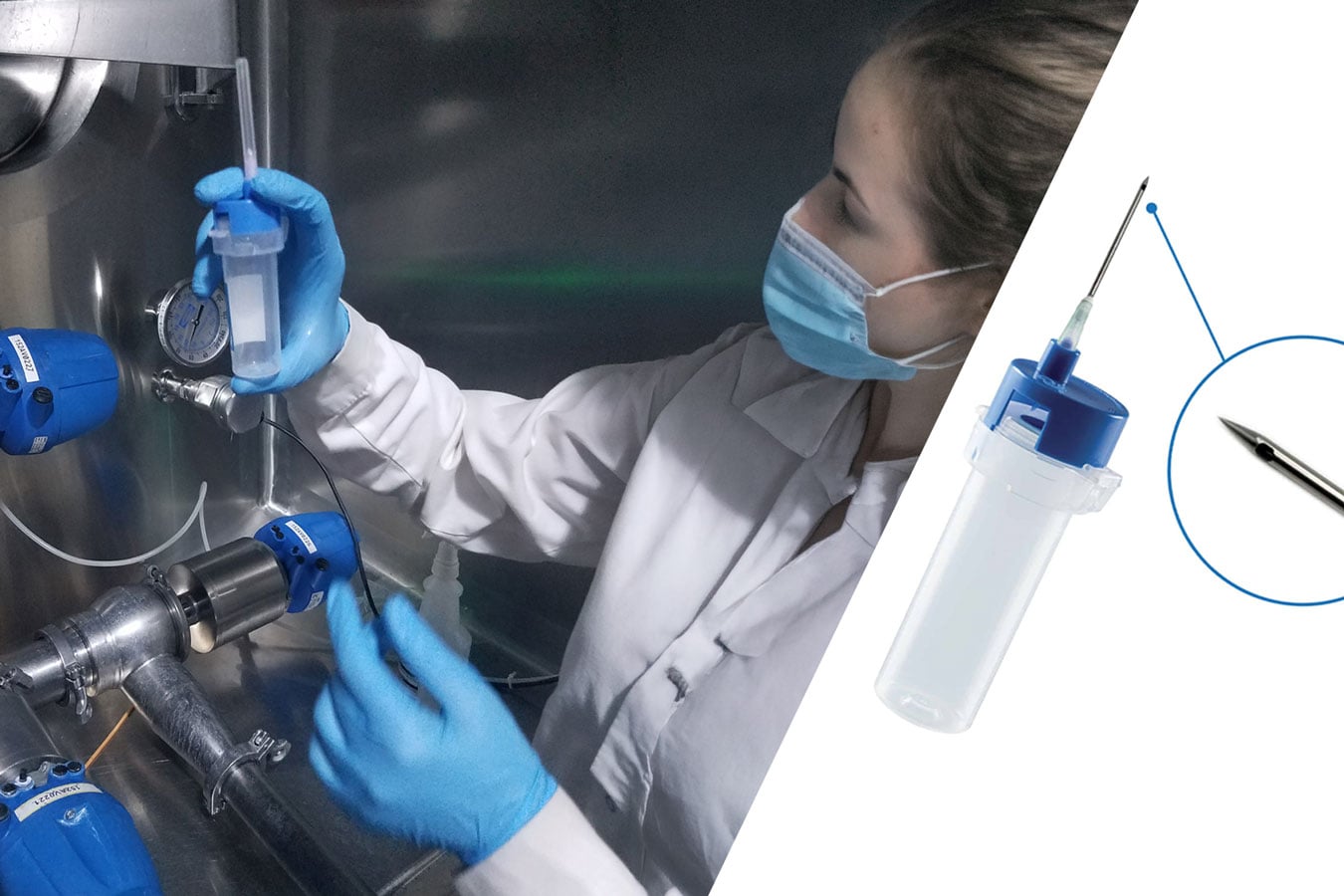
Drawing samples from thick or heavy liquids often causes needle clogs, slow sample draws, and incomplete...

Food Safety, Laboratory

Food Safety, Sanitation, Cleaning Tools, Color Coding

Food Safety, Sanitation, Cleaning Tools, Color Coding