This week’s foodborne illness blog is: Salmonella, which is called Salmonellosis. Every year approximately 40,000 cases are reported in the U.S., but the actual number is much higher, due to many infections not being reported. Salmonellosis is most common in the summer months than winter.
Some of the causes are:
- Food that becomes contaminated during processing or food handling, by unwashed hands of an infected food handler.
- Salmonella is found in the feces of some pets. You become infected if you do not wash your hands well with soap and water.
- Reptiles, baby chicks and ducklings, and small rodents (such as hamsters) are likely to carry salmonella. Again, washing your hands with soap and water prevents infection.
- Beef, poultry, and eggs are the most common food items that are infected with Salmonella. But vegetables can also be contaminated. Contaminated foods usually look and smell normal.
How can you prevent Salmonella poisoning:
- Do not eat raw or undercooked eggs.
- Use a meat thermometer when cooking meats; this ensures it has been cooked to a safe range.
- Wash or peel produce prior to eating.
- Avoid raw or unpasteurized dairy items.
- Avoid cross contamination of foods by thoroughly washing hands, cutting boards, counter tops, knives, and any other utensil or surface area that came in contact with uncooked food.
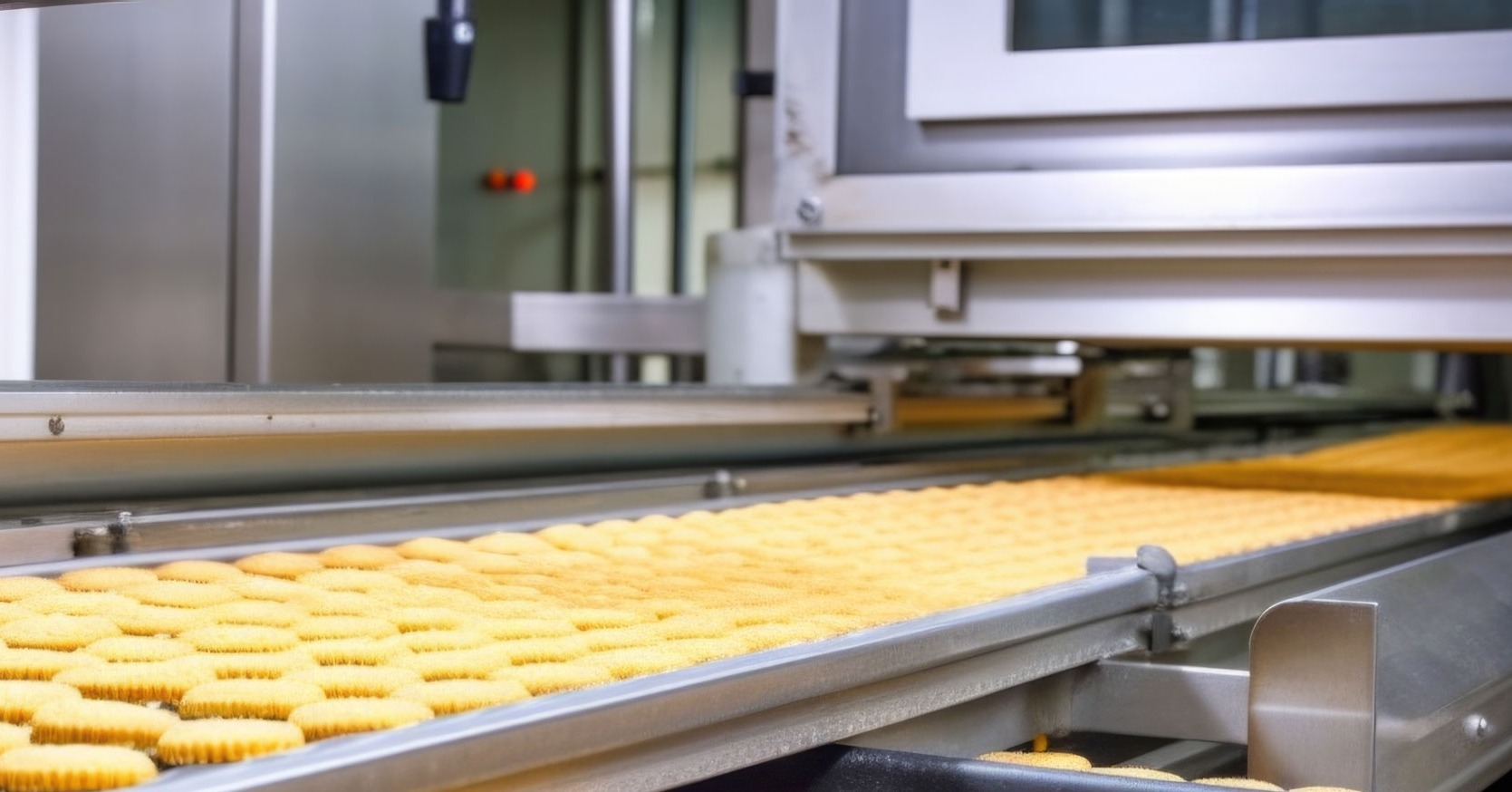
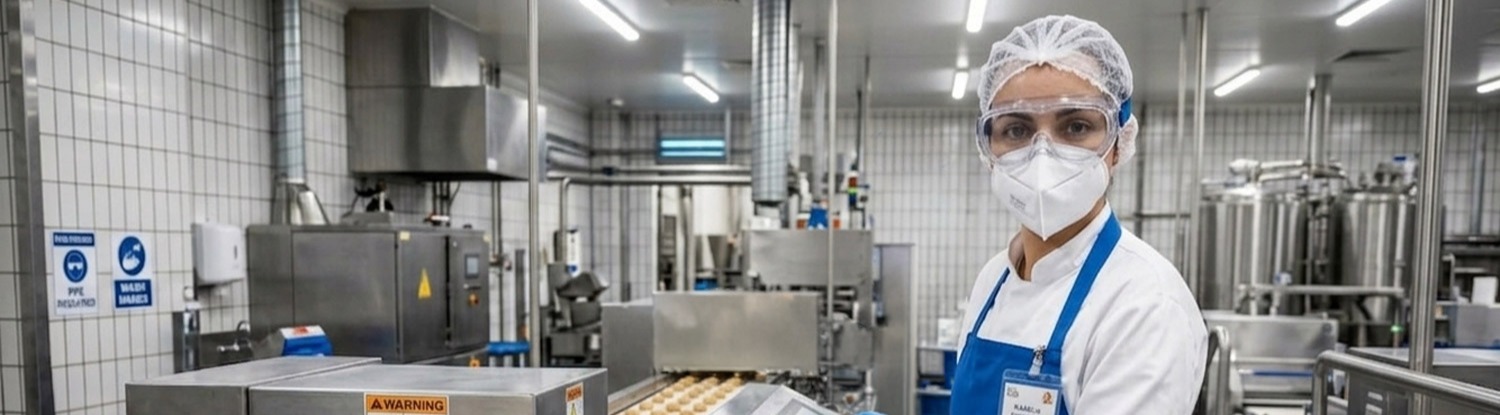
- In food processing plants following GMP’s, thorough environmental programs and finished goods microbiological testing helps ensure safe food is going to consumers.
- If you are infected do not prepare food for others.
Symptoms are; diarrhea, fever and abdominal cramping. They develop 12 to 72 hours after infection, and the illness usually lasts 4 to 7 days.
Information gathered from http://www.aolhealth.com/conditions/salmonellosis