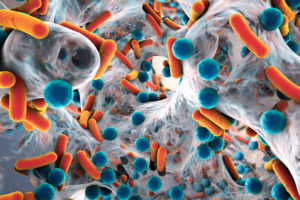
 Biofilms are hearty amalgams of microbiological activity that provide protection for microorganisms, and can form on a variety of surfaces in food processing environments, including stainless steel. A supercell of harborage, "Biofilms are complex microbial ecosystems formed by one or more species immersed in an extracellular matrix of different compositions depending on the type of food manufacturing environment and the colonizing species" (Geaile, et al). The "matrix" formed creates a powerful source of protection and fuel.
Though biofilms are capable of creating a lot of hassle when it comes to cleaning, spoilage concerns, etc., Gaile, et al, in "Biofilms in the Food Industry: Health Aspects and Control Methods" note: "Of particular importance to the food industry is that some biofilm-forming species in food factory environments are human pathogens." With biofilms aiding and abetting pathogens, the cost of not waging an effective sanitation onslaught, may create food safety issues of serious proportions. This is even further complicated by the fact that, "Mixed biofilms show higher resistance to disinfectants such as quaternary ammonium compounds and other biocides" (Gealie, et al.). This means traditional cleaning protocols may not be enough to counter the threat biofilms pose to public health.
Nelson-Jameson has an array of solutions to help you combat biofilms in your food and beverage processing facility:

September 28, 2026
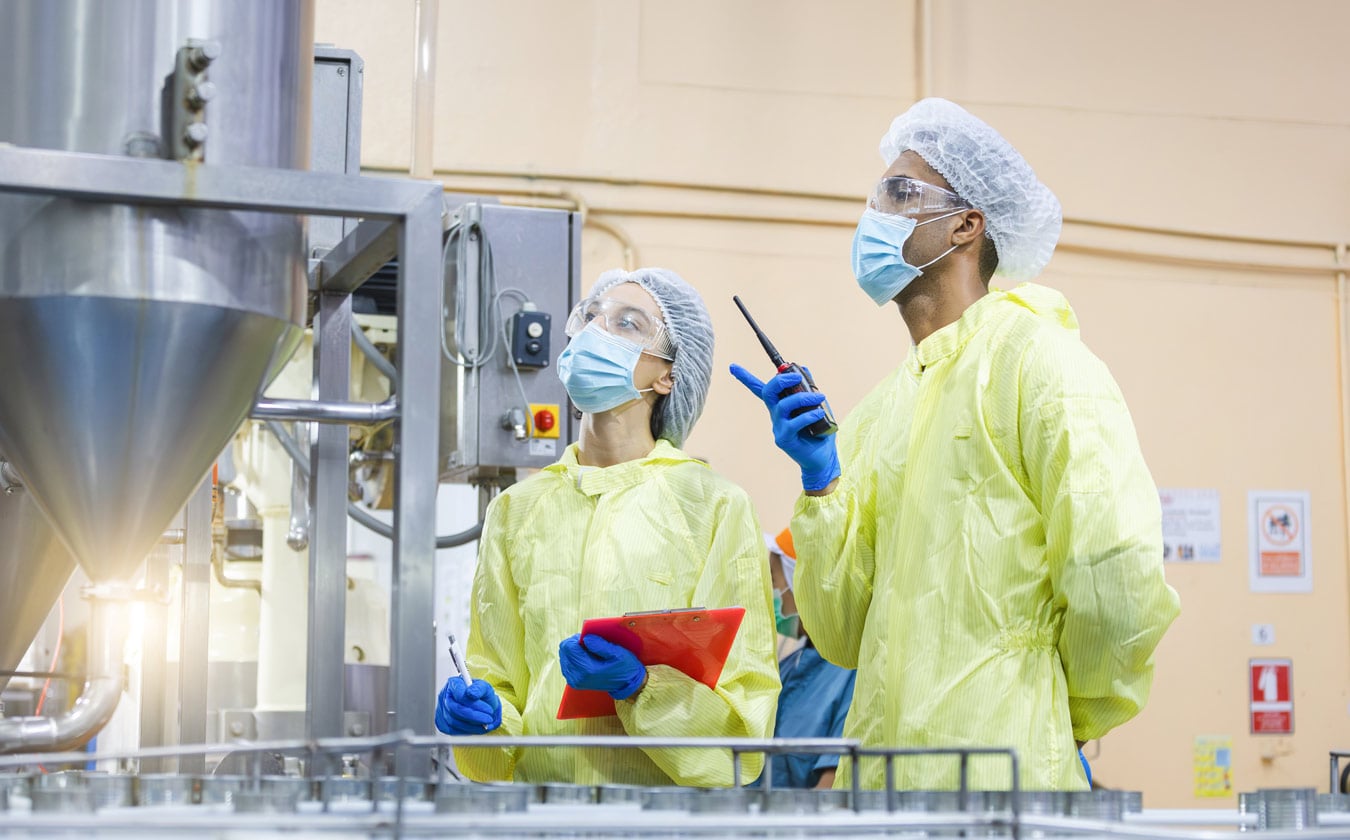
Uncontained hair remains one of the most frequent physical contaminants in food processing environments,...
September 23, 2026
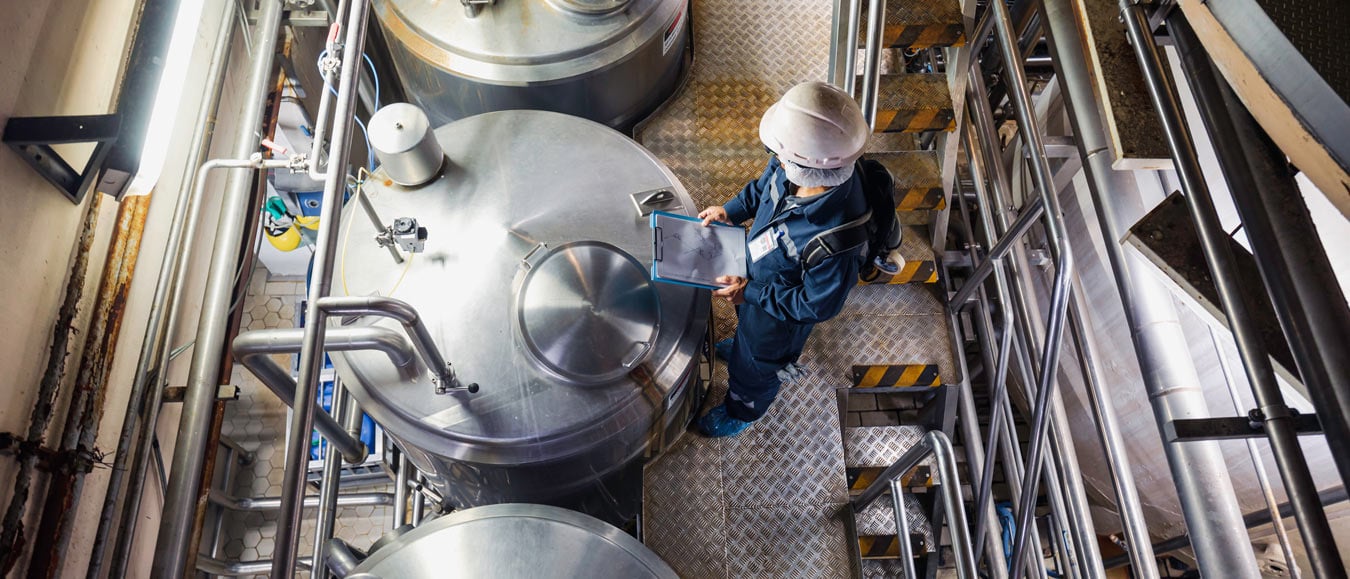
Keeping your facility's Clean-in-Place (CIP) operations running smoothly is critical — especially when o...
September 23, 2026
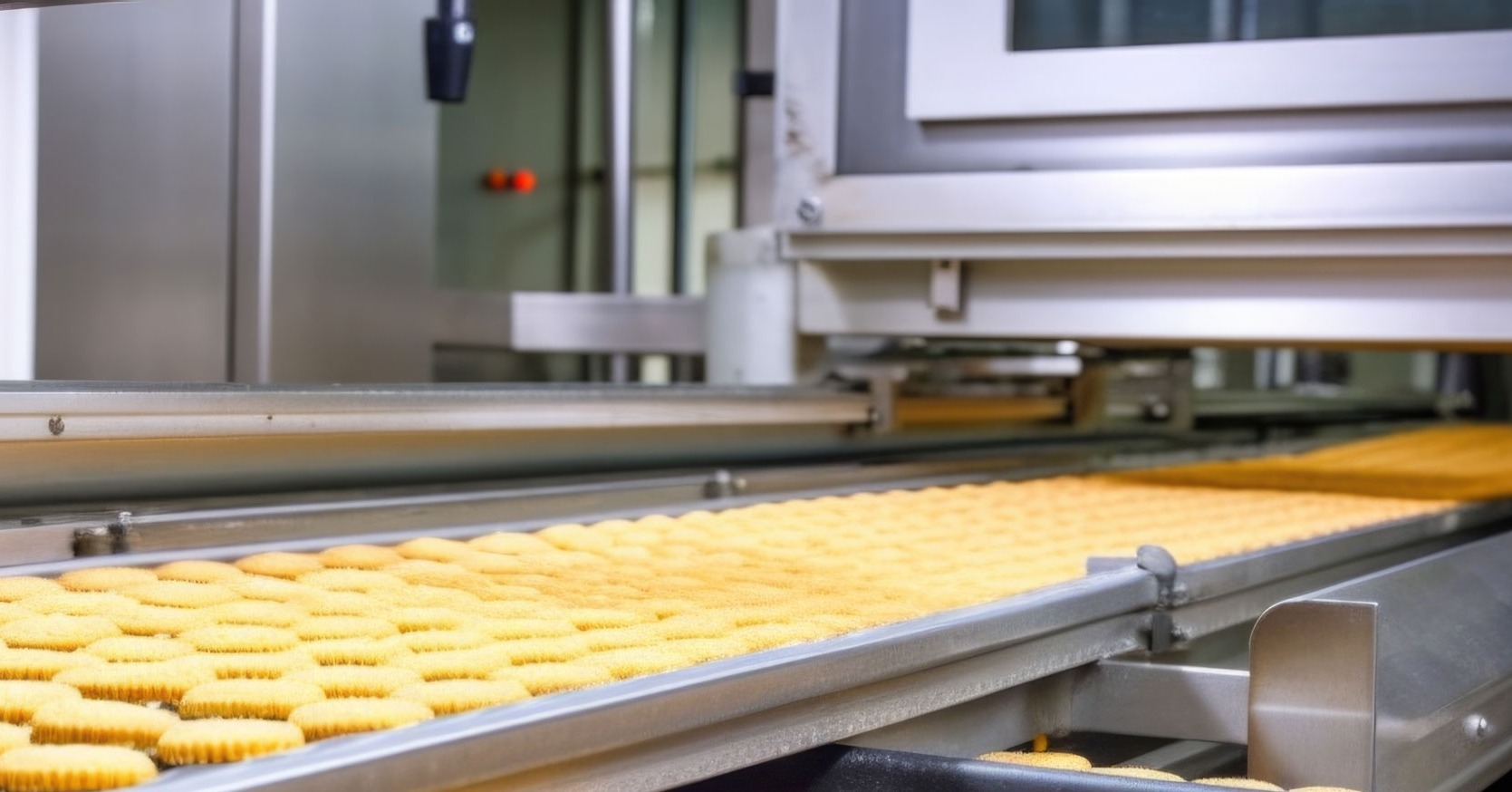
For years, the food manufacturing and dairy processing industries have relied on "reactive control". In ...